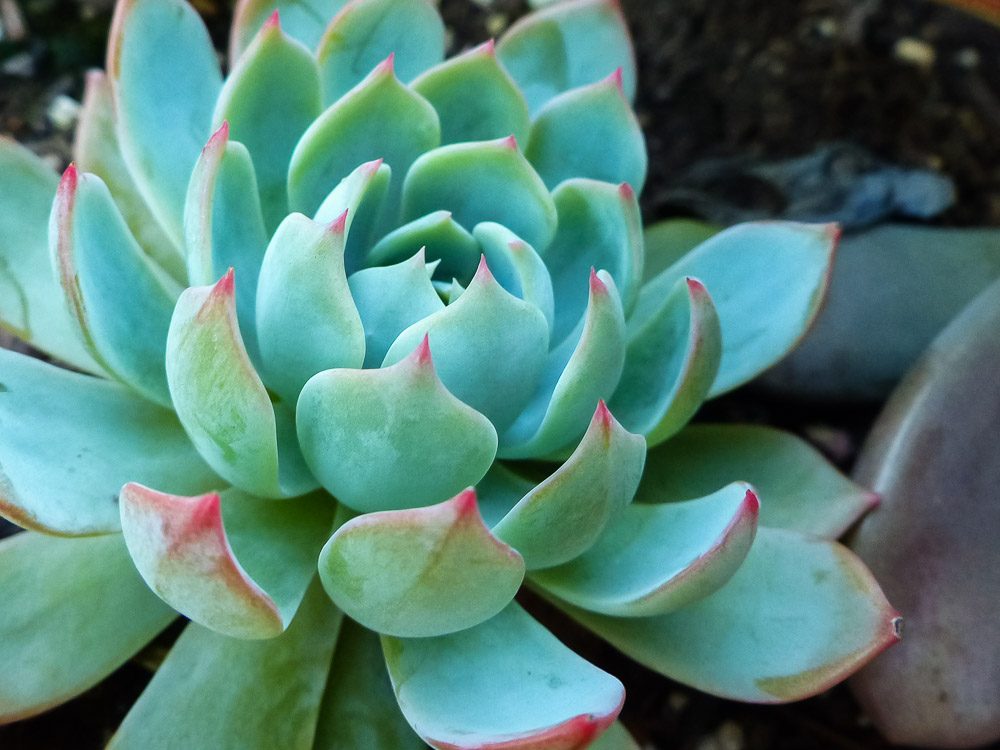
Advice from a Cave: Breathe deep; find beauty in unexpected places; search inward; see the hole picture; good things take time; look beneath the surface; hang tight! (c) Ilan Shamir www.yourtruenature.com
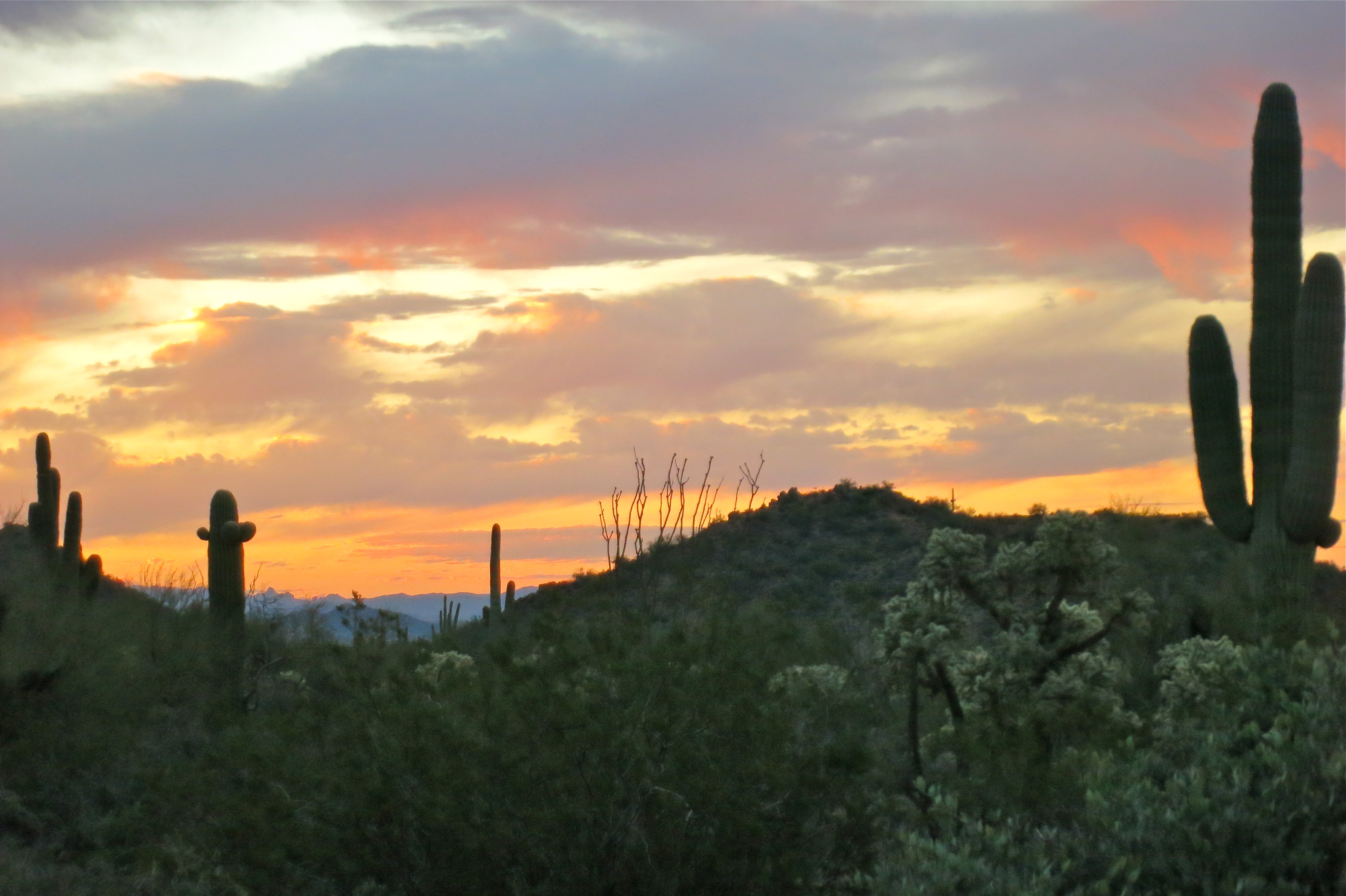
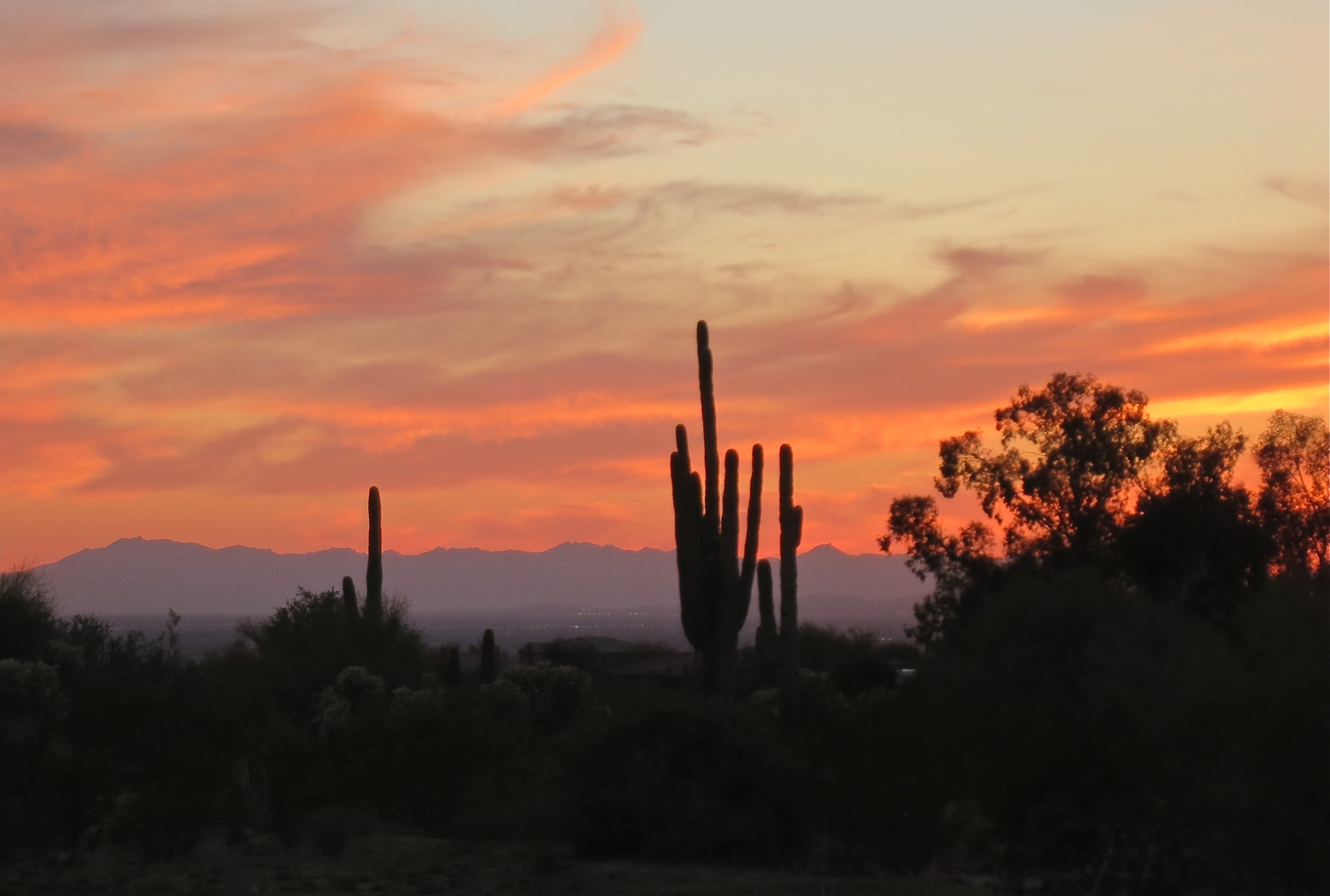
We are spending a few days at Kartchner Caverns State Park, at the base of the Whetstone Mountains, near Benson, Arizona, a lovely campground with 360º views of wide-open desert and mountain ranges touching the heavens. An added bonus is the brief walk to the famous Kartchner Caverns. Large bands of billowy clouds surround us, whipped around by brisk winds, as a storm fast approaches. There is probably no place better to be right now than underground, so to the “Bat Cave” we go.
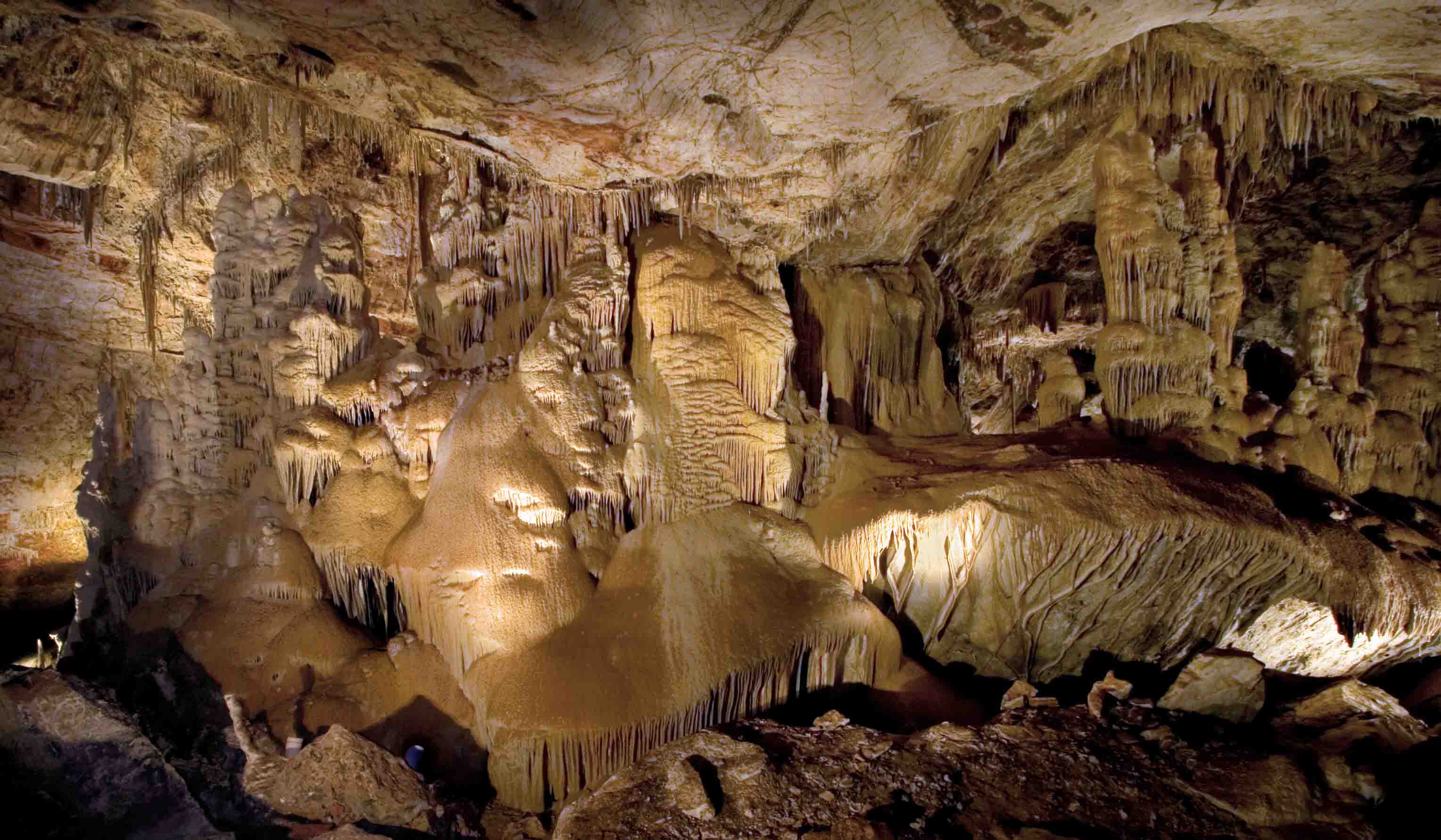
Since we had seen Carlsbad Caverns last year we didn’t know what to expect. We found the “Big Room” tour at Kartchner to be a wonderful experience, enhanced greatly by our tour guide, Park Ranger Lisa. A 6-month veteran of the park (impossible to believe), she is a walking encyclopedia of Kartchner Caverns history, presented with passion and humor. She followed very strict protocol, as we traveled through six air-lock passages and a misting machine, to preserve the cave’s inside temperature of 72º and 99% humidity year-round. Nothing was allowed inside that might disturb the cave’s health, including cameras.

We found the history behind the discovery of this cave to be fascinating. Two cavers, Gary Tenen and Randy Tufts, knew that where there’s limestone, there most likely would be caves. They set out to explore the limestone hills at the base of the Whetstone Mountains, looking for that perfect cave but anticipating another dry, dusty hole in the earth. What they found instead was a sinkhole, with a narrow crack in the bottom, breathing warm, moist air. Two hours of digging around this “blowhole” allowed them enough space to wiggle through and explore 2.5 miles of pristine cave passages. They knew they had found something very special, something to be preserved. Fourteen years of arduous work resulted in a bill that protected this cave and in 1999 the Rotunda Room opened to the public, with tours of the Big Room following in 2003.

Kartchner Caverns is a wet cave, very much alive, and if the spectacular displays of stalactites, stalagmites, soda straws and “cave bacon” weren’t enough, the Big Room is closed from mid-April until mid-October when it is turned into a nursery roost for ~1,000 female common cave bats. The females give birth to a single pup in late June and the babies remain in roost until mid-September, when they leave to begin the migration to their winter home.
Advice from a Bat: Trust in your senses; spend time hanging around with friends; don’t be afraid of the dark; get a grip; enjoy the nightlife; sometimes you’ve just gotta wing it; guano happens! (c) Ilan Shamir www.yourtruenature.com
Our tour guide Lisa explained the birthing process in a rather unique fashion. Picture a 5-foot tall, 100 lb. woman giving birth to a 25 lb. baby (size of a 2-year old), while hanging from her thumbs, enduring a breech birth, worrying about catching her baby before he plunges to his death, and that is what birthing a bat pup is like. I don’t know about you, but I have a new-found respect for bats, at least the female variety!

If you liked this blog post, why not scroll up to ‘Follow Us’ and enter your email address? You just might find something that interests you.











 Paint Your Landscape