Where is Methuselah? ~ Ancient Bristlecone Pine Forest, CA

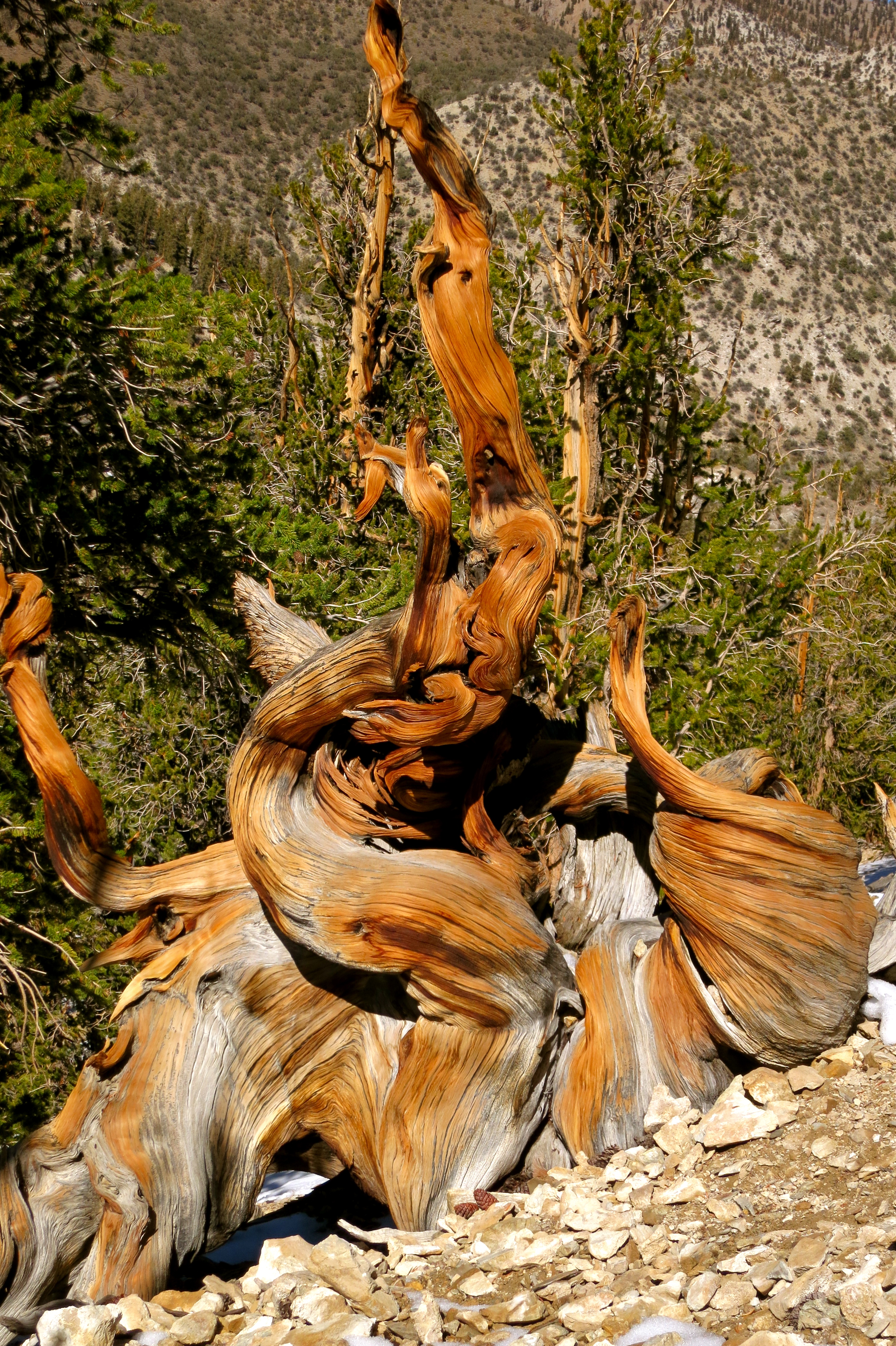
Ancient living bristlecone pine

There has not been much opportunity yet for San Diego adventures since we began our latest camp hosting gig at San Elijo State Beach, so I thought I would bring back another “blast from the past”, albeit it recent.

Nestled in the White Mountains in the Eastern Sierras, a spectacular slice of nature in Northern California, lies the Ancient Bristlecone Pine Forest at elevations ranging from 9,800 – 11,000 feet.  Our visit in mid-October was perfect timing, immediately after the first snowfall of the season high in these majestic mountains.

Bristlecone back-lit by morning sun

The Great Basin Bristlecone Pine survives here in the harshest of conditions (fire, excessive rainfall, frost, snowfall, little soil), a most amazing feat. These trees have proven to be some of the oldest in the world, many more than 1000 years older than any other species, their existence predating the birth of Christ.  Methuselah, the oldest living organism on earth, a mind-blowing 4,843 years of age, stands in a grove of bristlecone pine aptly named after him.

We set out on the Methuselah Trail (a 4-mile loop) with friends Nina and Paul to soak up the beauty and speculate on which of these ancient wonders could be the granddaddy of them all.  Her exact location is carefully protected since 1964 when grad student Donald Currey and USFS personnel cut down the bristlecone pine named Prometheus (mythological figure who stole fire from the gods and gave it to man), possibly more than 5,000 years of age at the time.  The story goes that these researchers did not know of Prometheus’ age before its felling and resorted to cutting down this ancient only after an attempt at a core sampling led to a special-order drill bit from Sweden breaking off in the tree.  Rather than risk the halting of Currey’s research, the decision was made to cut down the tree to determine the ring count.  It appears no one raised their hand to take responsibility for the cutting, which will most likely forever remain a mystery.

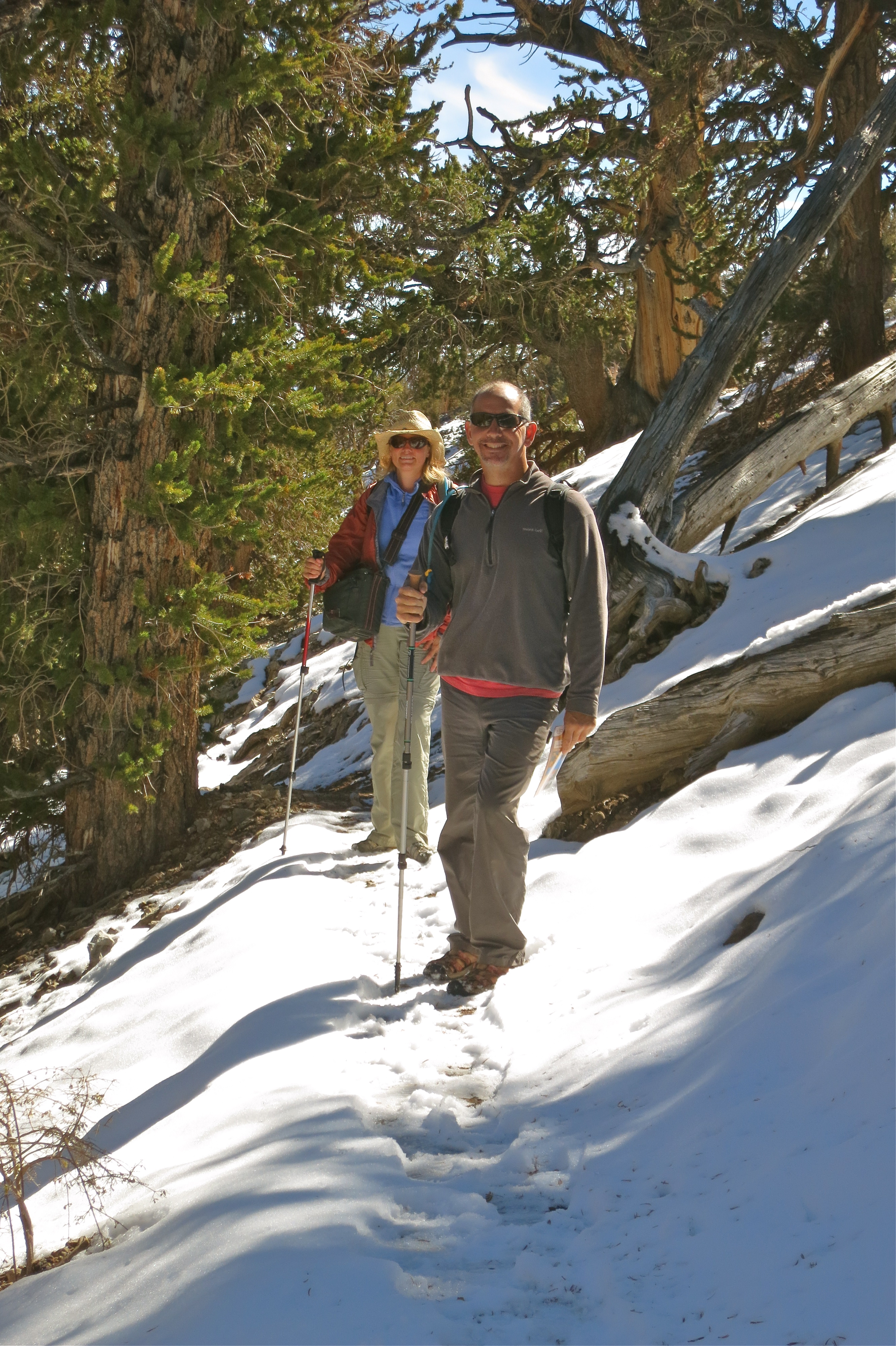
Terry on the trail in this winter wonderland
Nina and Paul slip-sliding along the trail

Given their age, you would think that these grand specimen would be of enormous height, like that of the redwood or sequoia, but you would be wrong.  The bristlecone are not overly large, but rather medium in size, most ranging from 15-50 feet in height.  Their reddish-brown bark with its deep fissures and gnarled, dwarfed growth pattern gives them a most distinctive appearance, unlike anything we had ever seen.  As the tree ages, many of its layers begin to die off, leaving only a narrow band of living tissue that connects roots to a handful of branches.  Its ability to survive in this state is just astounding.

Ancient Bristlecone Pine Forest
Many twists and turns in its lifetime

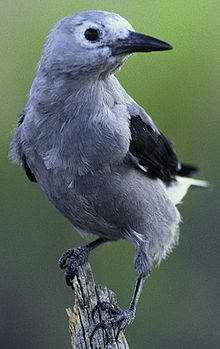
Unlike the lodgepole pine or majestic sequoia, who both need intense heat (fire) to open their tough cones and spread their seeds, the bristlecone pine cones open when they mature, offering their seeds to the winds to continue their lineage.  The Clark’s nutcracker happily assists in this endeavor, storing many seeds underground along the way for later consumption.

Bristlecone pine cone ~ Wikipedia
Clark’s nutcracker ~ Wikipedia

The Schulman Grove Visitor Center, named after Dr Edmund Schulman, who began studying this species back in the 1950’s, is a great place to visit before your hike, with informative Park Rangers eager to give information and maps of the trail.  It is a new building, due to the work of an arsonist who set fire to the original structure in September 2008, destroying the building, all its exhibits and several bristlecone pines.  Add this incident to the list of reasons to support the secrecy of Methuselah’s exact location.

Basin filled with sunlight, snow and ancient trees
Gnarly!
Bizarre growth pattern

While walking the Methuselah Trail, treading on this hallowed ground, we felt a connection to our ancestors who walked this same earth long before us.  Listen to the winds and you may just hear their whispers but take note of the condition of the trail.  You might find yourself on your backside as I did, thanks to a little vertigo and ice.  Enough padding and my daypack made for a soft landing!

Grand vista of the valley below

If you liked this blog post, why not scroll up to ‘Follow Us’ and enter your email address?  You just might find something that interests you.

SaveSave

What is a Life?

Live for something.  Do good, and leave behind you a monument of virtue that the storm of time can never destroy. Write your name in kindness, love, and mercy, on the hearts of thousands you come in contact with year by year; you will never be forgotten. No, your name, your deeds, will be as legible on the hearts you leave behind as the stars on the brow of evening. Good deeds will shine as the stars of heaven.  ~Chalmers~

I originally posted this two years ago and, although I have tweaked it, I think it is still a good question to ask ourselves.

What is a life?  What gives it meaning?  The answer to this question will be as unique as each of us is, different for everyone.  This was the question posed to me by a dear friend a few years back who was dying from a rare genetic disorder, one that neurologically was stealing her body from her bit by bit, a disease that no doctor would diagnose until after her autopsy was performed.  During her darkest times she would question her value to society, to her family and friends, and to herself, a legitimate question coming from a gifted artist and musician who had slowly lost the use of her body.  For those of us blessed to have known her, what she gave each of us grew exponentially as her illness progressed.

Those whose journey it is to experience a chronic illness may have the most to offer, particularly in the depth and breath of the valuable lessons they can teach us.  My beloved friend Barbara  (my anam cara) suffered greatly before she passed not quite two years ago.  Through all her suffering she wore the face of courage well and taught those honored to be her family and friends such meaningful life lessons.  At times I wished I could just sit by her side with a tape recorder so I could remember everything she shared with me, every last word. Her concern for the rest of humanity, both people and animals, her beautiful artwork, done on the computer by using only her big toe when her hands betrayed her, and how in tune she was with nature were truly inspiring.  I pray that I could have that same grace if faced with her struggles.

For us, living the gypsy life and traveling gives our life meaning, experiencing the beauty of new places and different cultures, meeting people who have become friends, touching lives and having others touch ours, breathing in nature and soaking in her spectacular vistas and nurturing solitude.  For others, happiness is the stability of a home base, feeling more anchored in a community. Our differences enrich those around us.

One observation Terry and I made, both in Costa Rica and Mexico, is that many locals residents we spoke to are truly happy, even with so very little of a material or monetary sense.  Values certainly appear to be different in developing and third world countries, where basic needs are often times out of reach.  This certainly makes a life take on a whole new perspective and was a constant reminder to us that happiness and a truly remarkable life can be made without a lot of “stuff”.

When I look around me, to those who have so little, to those in physical and emotional pain, given the state of the world at present, my hope and prayer for all of us is that we can find the meaning in our present experiences and share what we have to offer with others.  I have come to realize that being of service to others in small ways brings me great joy and that just may be my calling in this life.

We all walk this same earth together; better that we not be alone in our journey but rather reach out and take another’s hand.  What a beautiful life this could offer.

Below is a slide of some photos taken during our journey through this life.  Enjoy!

This slideshow requires JavaScript.

If you liked this blog post, why not scroll up to ‘Follow Us’ and enter your email address?  You just might find something that interests you.


Sun, Surf and Sea Air ~ Cardiff, CA

For a second year we are back to work as Camp Hosts at San Elijo State Beach and tomorrow begins the big work week.  Imagine if you will a bluff overlooking the Pacific Ocean at one of the best surfing spots on the West Coast and that is where our RV sits.  With near perfect temps, pounding surf to lull you to sleep at night, and intoxicating sea air, how can this be called work?  Yes, what we do classifies as work, but there is plenty of time for play and if we don’t get more than our fair share of exercise, shame on us.  We literally can walk or bike most any place we need to go, unless of course we want to head a few miles south to do more San Diego exploring, and we will be doing plenty of that.

For now I will leave you with a small sampling of the sights right outside our door:

If you liked this blog post, why not scroll up to ‘Follow Us’ and enter your email address?  You just might find something that interests you.


The Town That Man Could Neither Tame Nor Sustain ~ Bodie, CA

“And now my comrades all are gone; naught remains to toast.  They have left me here in my misery, like some poor wandering ghost.”  ~  unknown

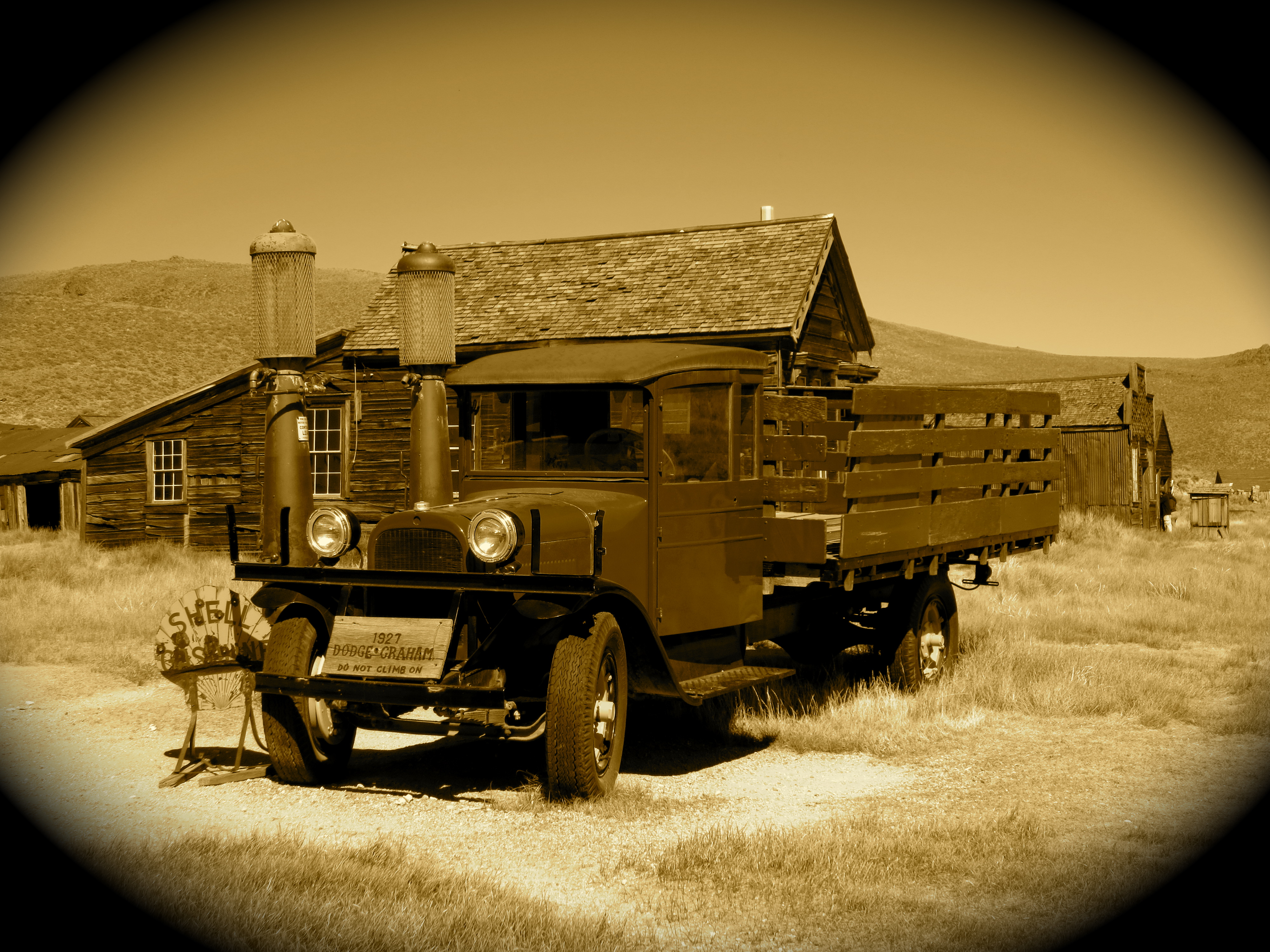
1927 Dodge Graham sitting next to Bodie’s gas station

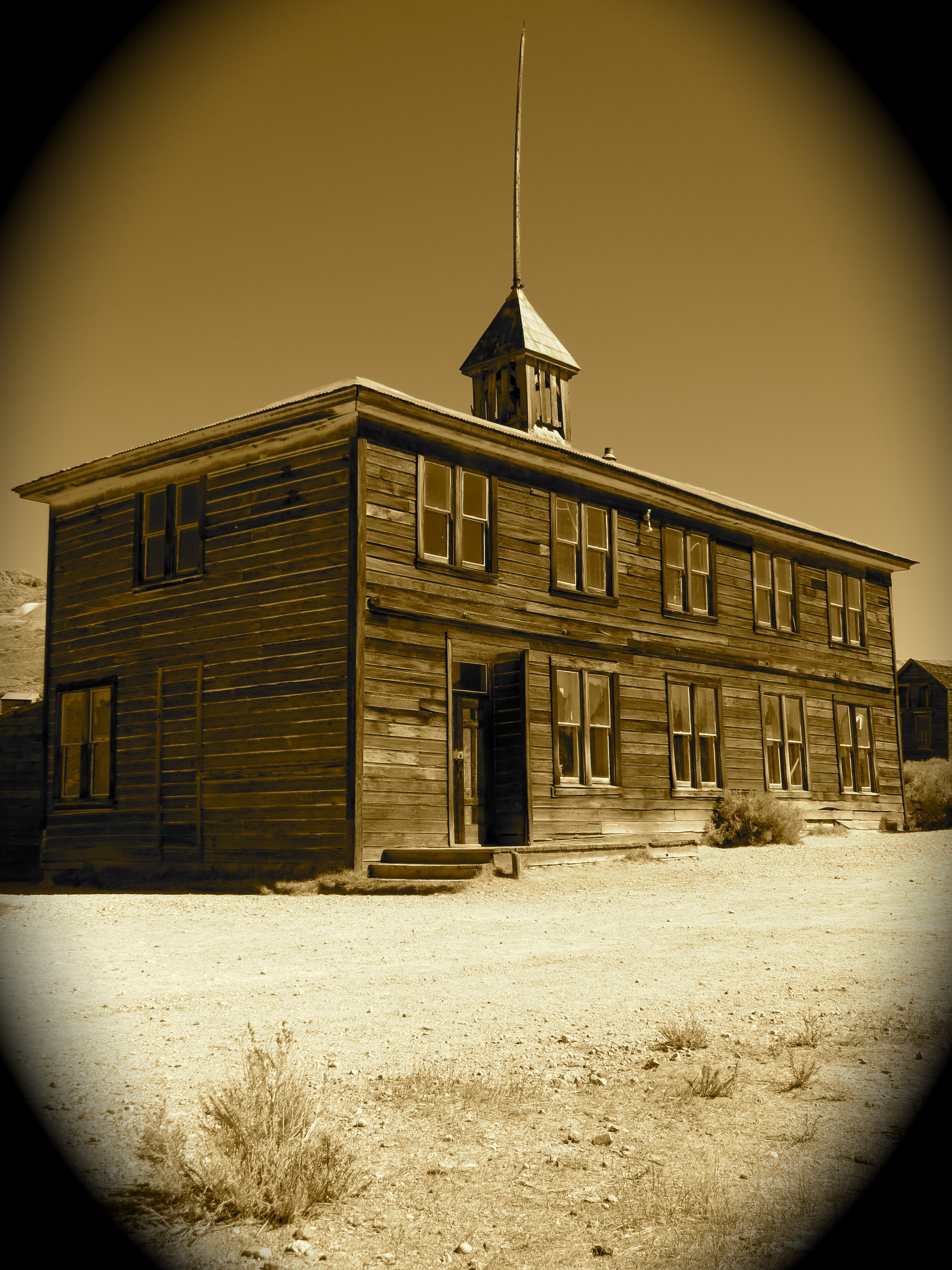
Bodie, the best preserved ghost town in California, perhaps even in the country, was once a bustling gold-mining town, but soon became the town that man could neither tame nor sustain, as you will soon see.

Approximately 75 miles southeast of Bridgeport, at an elevation of roughly 8400 feet, Bodie began her existence in 1859 after prospector W. S. Bodey discovered gold near Bodie Bluff.  Sadly he did not have the chance to see his namesake erected, as he lost his life in a blizzard before the town’s foundation was laid, or so the story goes.  And no, I did not misspell Bodey’s last name. Credit for the town’s name being spelled differently will have to go to the painter who erected the “Bodie Stables” sign.

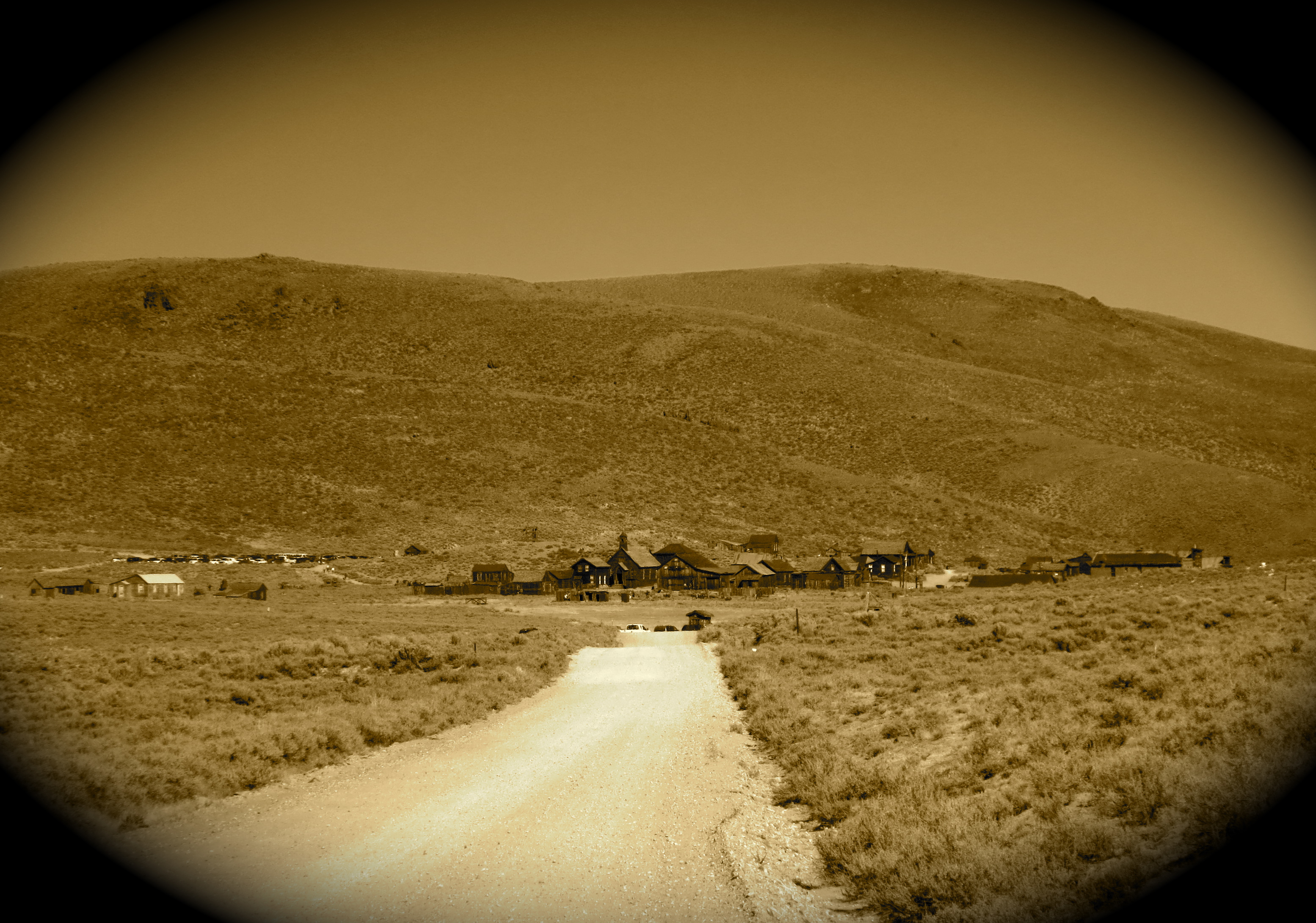
Long, bumpy, dusty road leading into Bodie

As we have read in the history annals, times were tough back then, and Bodie was no exception, the extreme temperatures being one of the major obstacles – blazing hot in the summer, well below zero in the winter, with strong winds whipping across the plains.  If that were not enough reason to label life as challenging, just walking across Main Street could shorten your life, or at a minimum cause a debilitating injury thanks to the 65 saloons lining this mile-long street in her heyday.  Yep, Bodie was about as wild and lawless as they come.  Barroom brawls, shootouts, robberies and murders were commonplace and the red light district and opium dens were plentiful, debauchery enough to spread around!

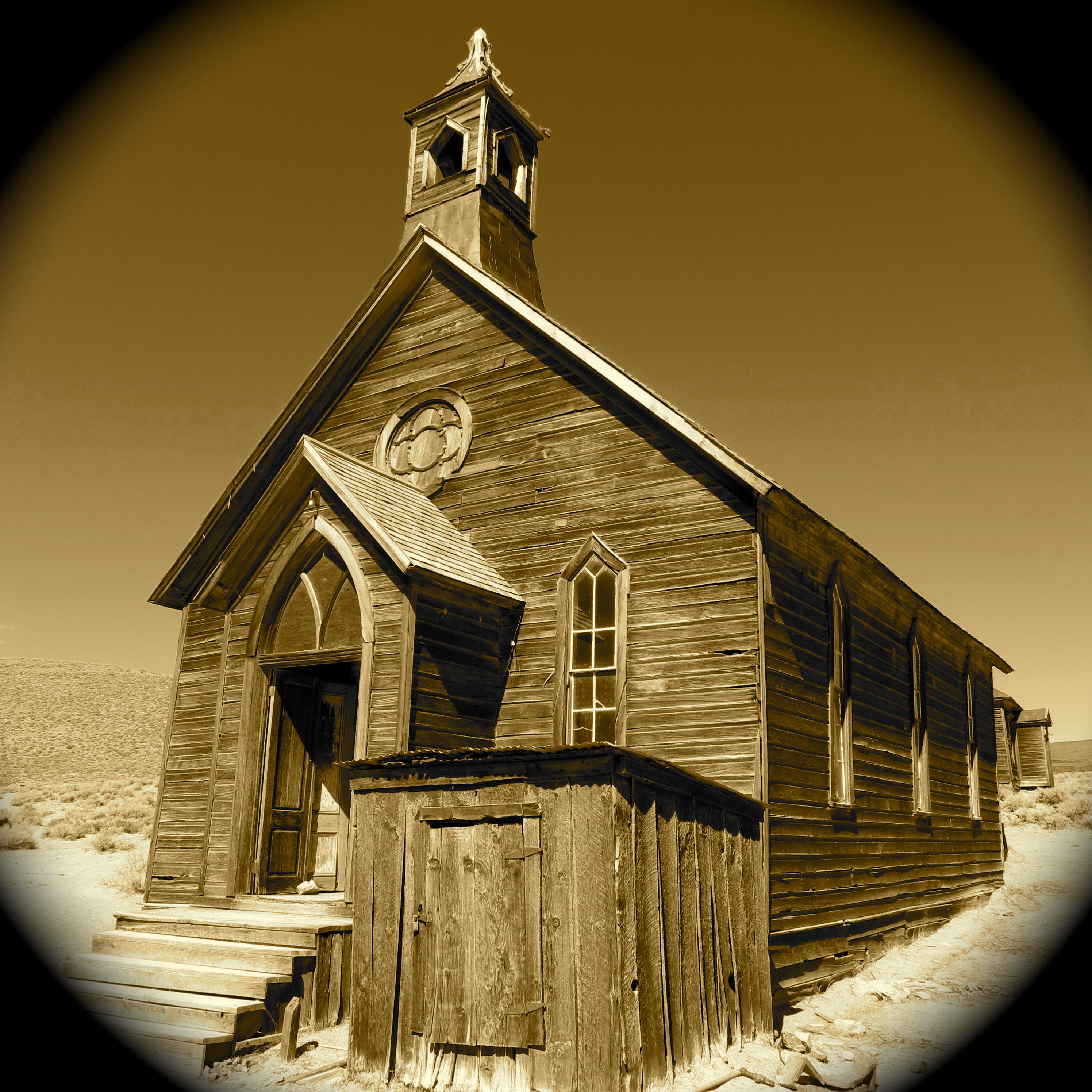
Methodist church
Schoolhouse
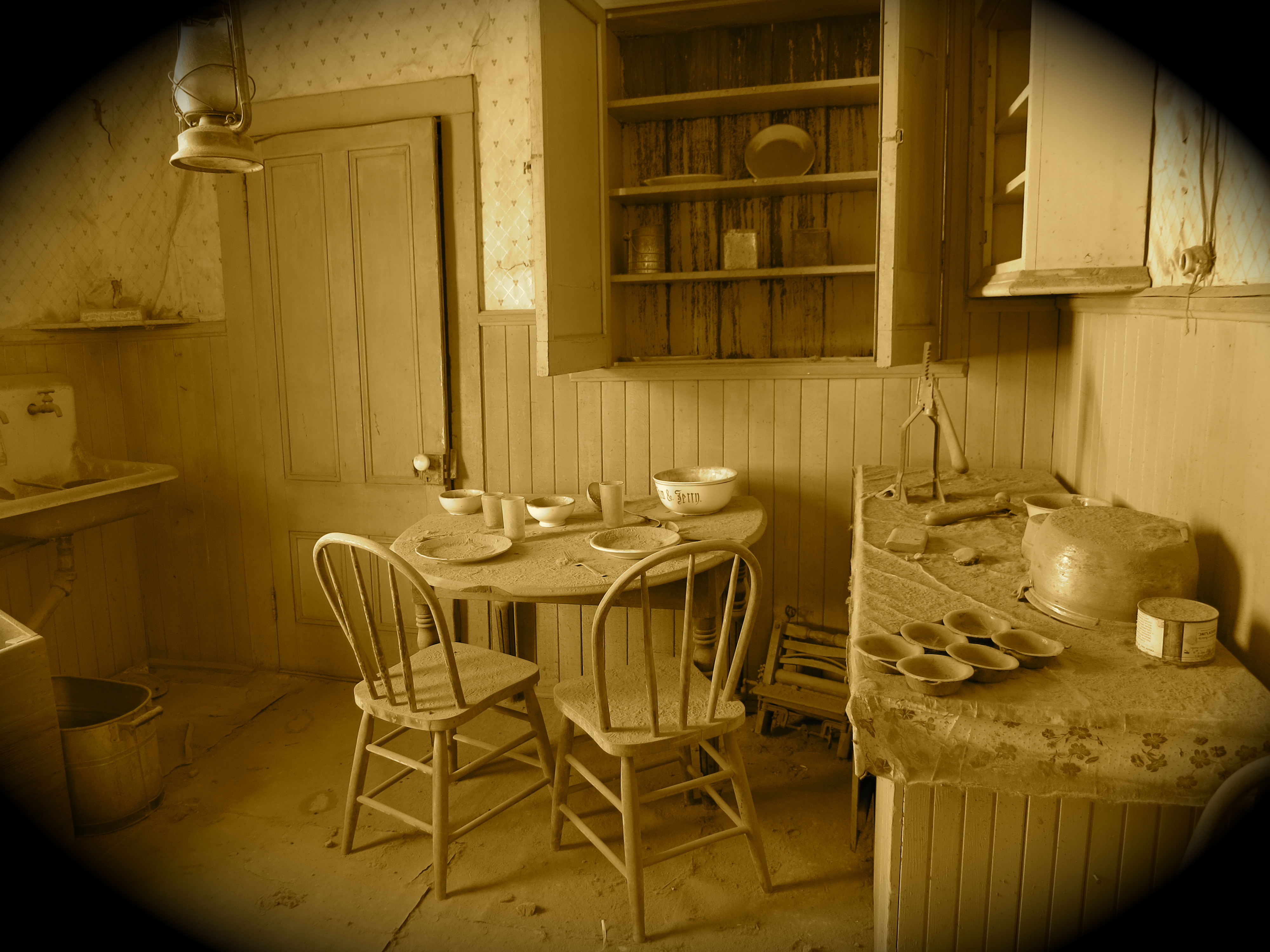
Kitchen in “arrested decay”

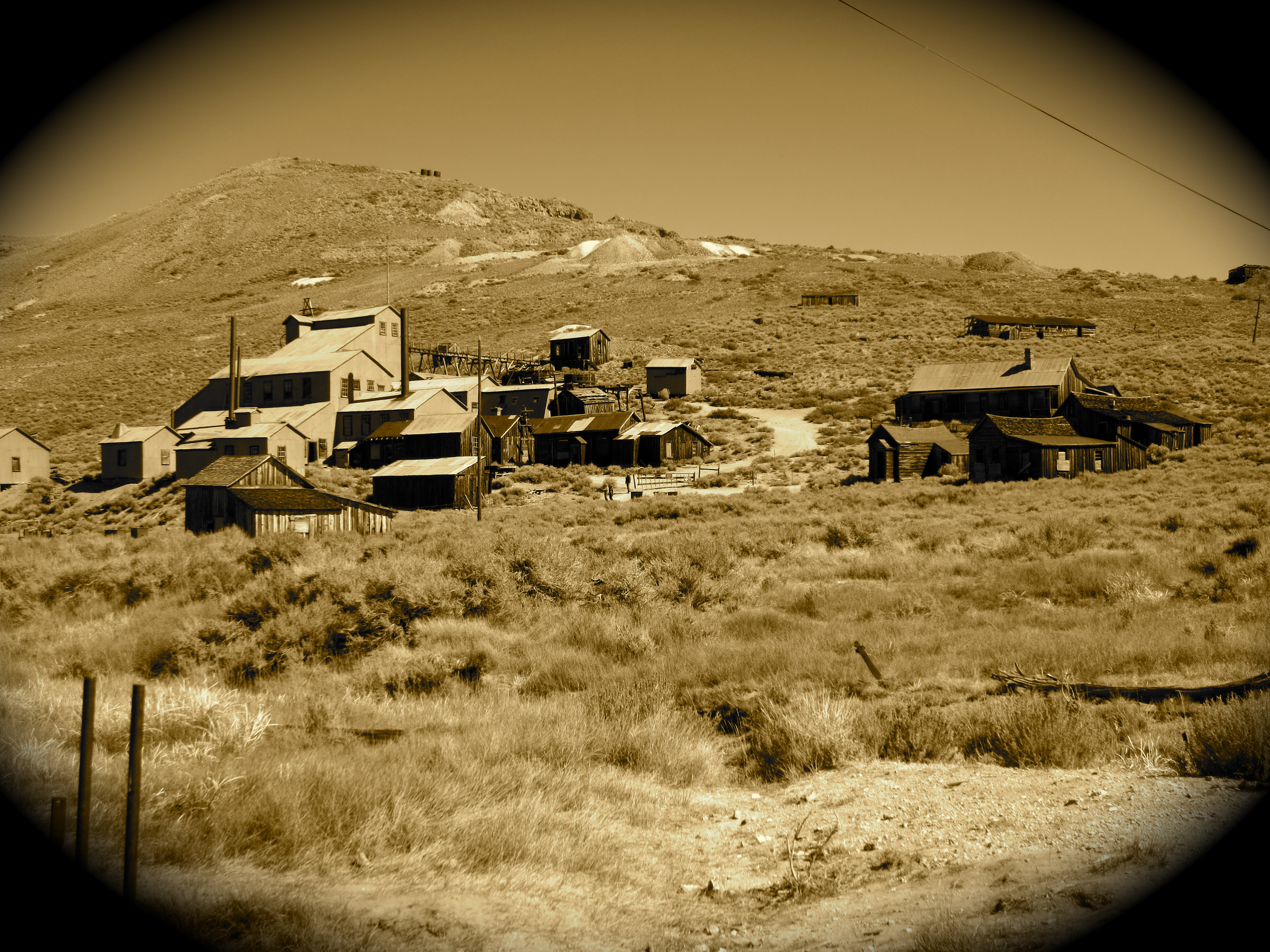
Lest you think that this was all Bodie had going for it, not so.  At its peak, with about 10,000 residents, 2000 buildings in town, and the Standard Consolidated Mine running at full tilt, Bodie was a town of many amenities – a Wells Fargo bank, four fire stations, a railroad, several newspapers, miner’s union, and one jail (probably could have used a few more of these).   Telegraph lines connected Bodie with Bridgeport and Genoa, Nevada. Life looked promising or did it?

Standard Consolidated Mine

As early as 1880, when mining booms began developing in Butte, Montana, Tombstone, Arizona, and parts of Utah, the men of Bodie began to be lured away and Bodie’s reputation for being a rough-and-tumble booze-swilling town settled into that of a family community, with schools and two churches being erected. The Methodist Church still stands today and, should you have a mind to be wed in this ghost town, that can be accommodated.

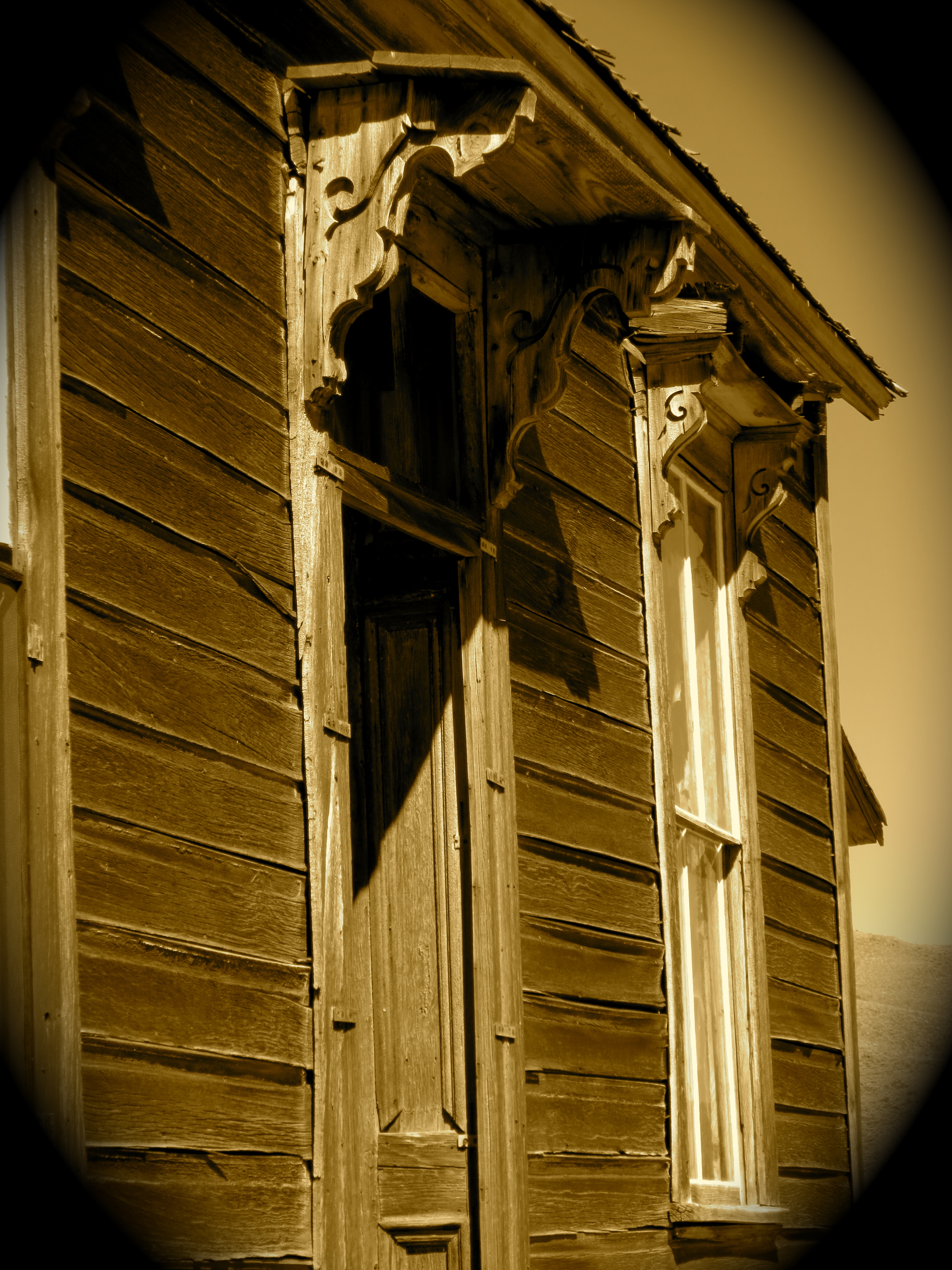
Lovely cornices still remain
J. S. Cain residence

Bodie enjoyed a brief revival until ~1912, which was when the last newspaper was printed and the Standard Consolidated Mine followed the winding down of the town by closing its shafts in 1913.  The hardiest of souls stayed on through most of the 20th century.

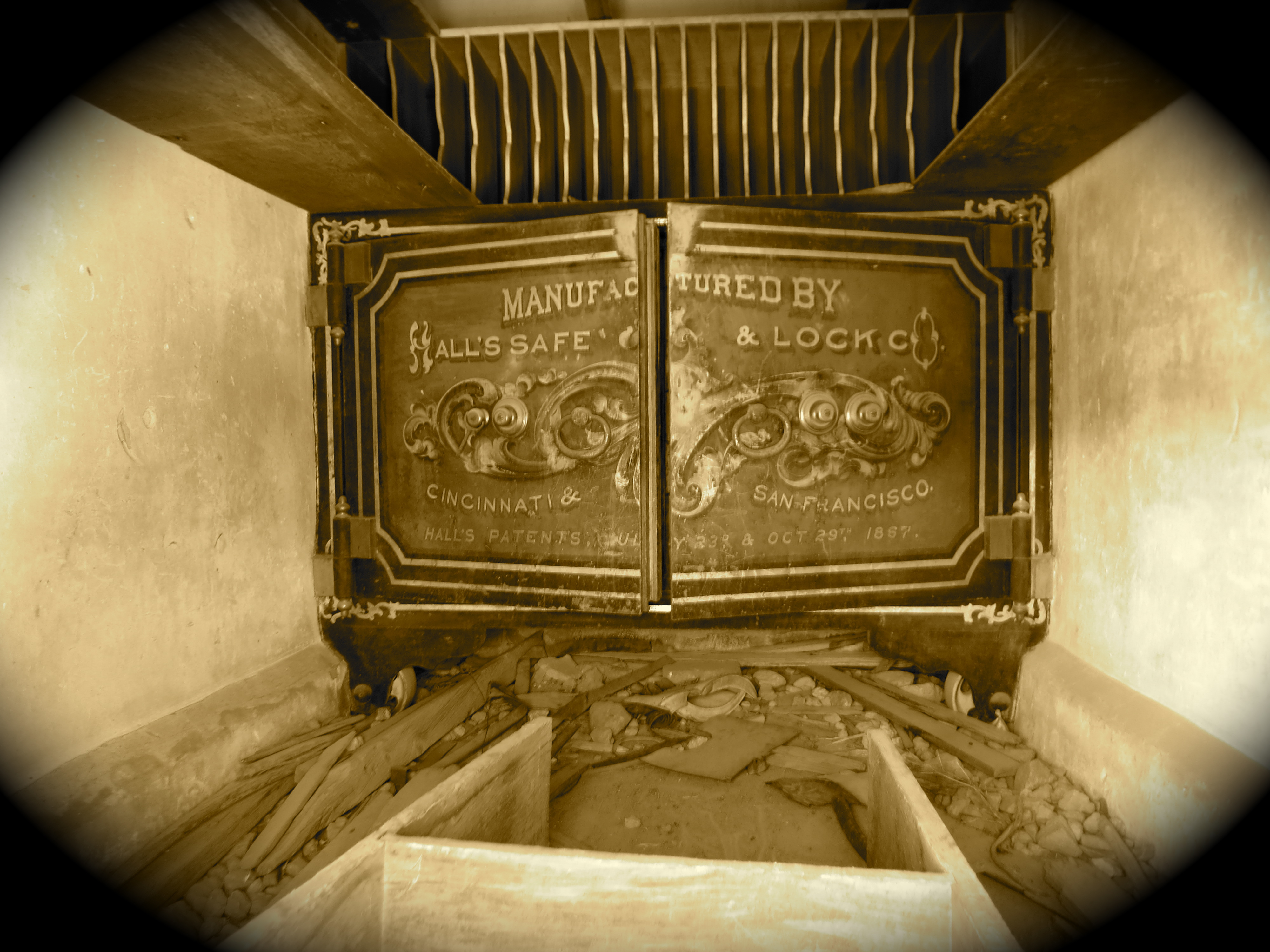
Wells Fargo bank vault
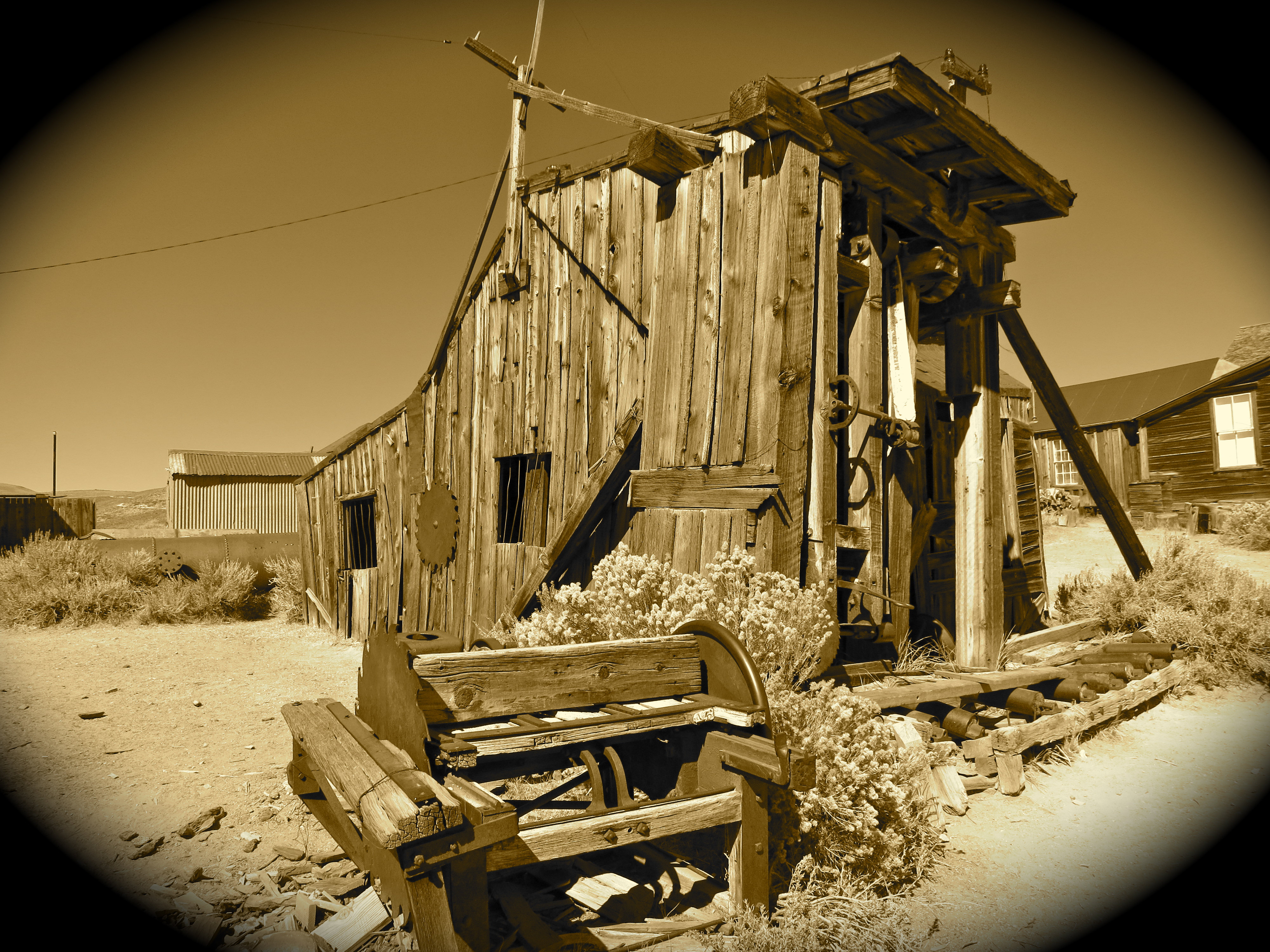
Machine shop

Enter James S. Cain, a man intent on resurrecting Bodie.  He bought up much of the land around town but even this could not save her so instead he turned his attention to hiring caretakers to ensure Bodie’s buildings were not vandalized. Although only ~5% of the town’s buildings remain, his efforts may have had an impact in salvaging these.  Bodie could now be classified as the “real deal” Wild West gold-rush ghost town.

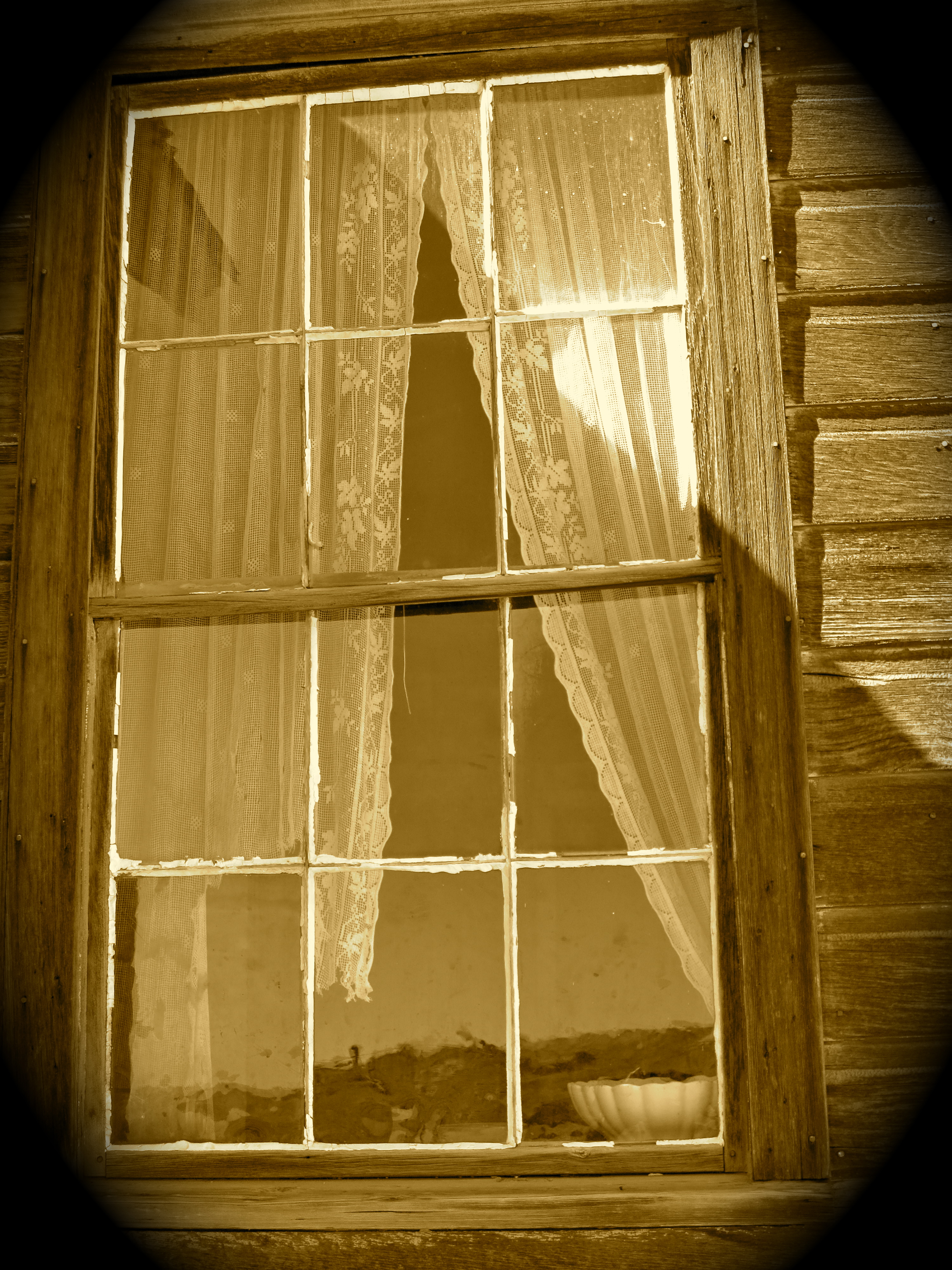
Peek into my window
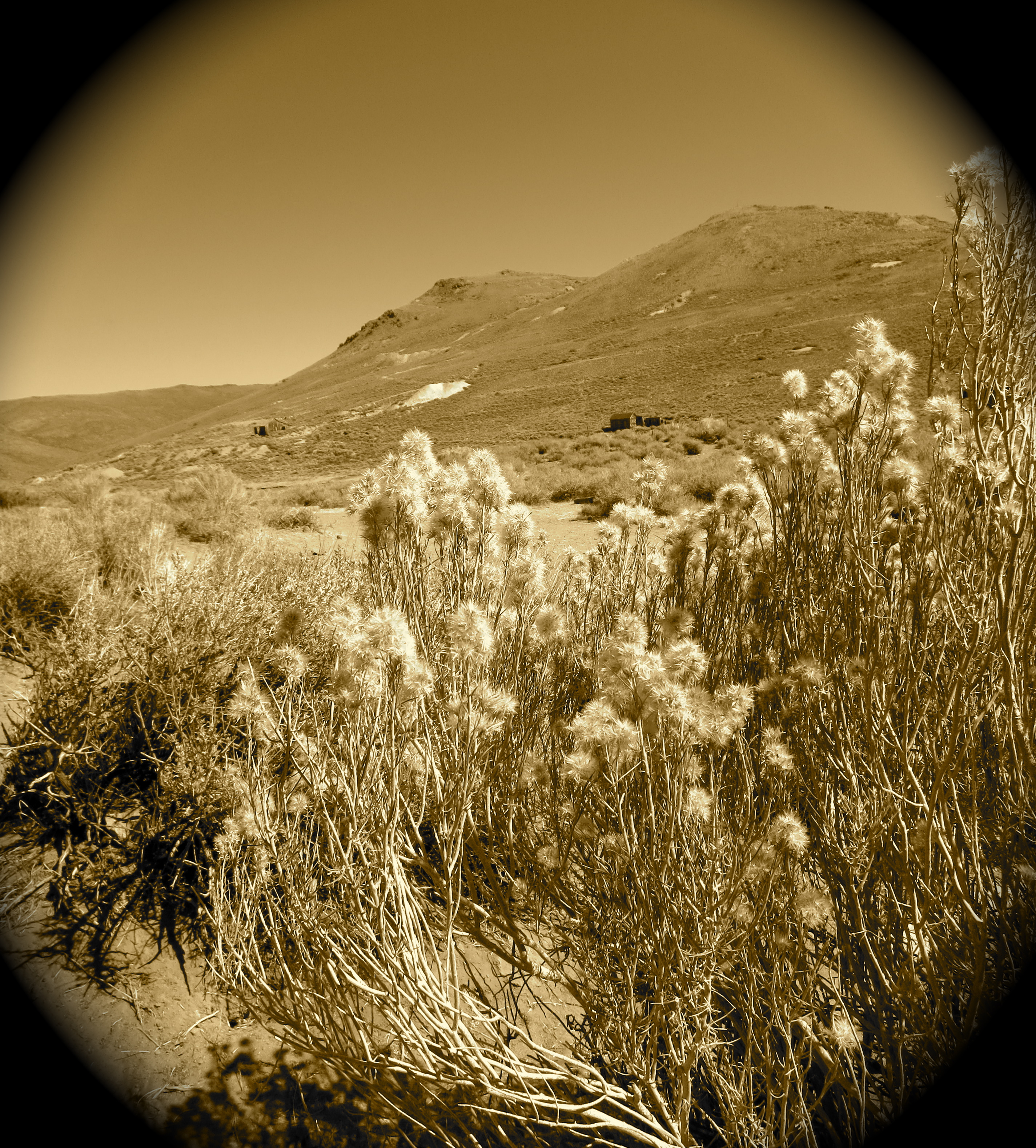
Bodie hillside

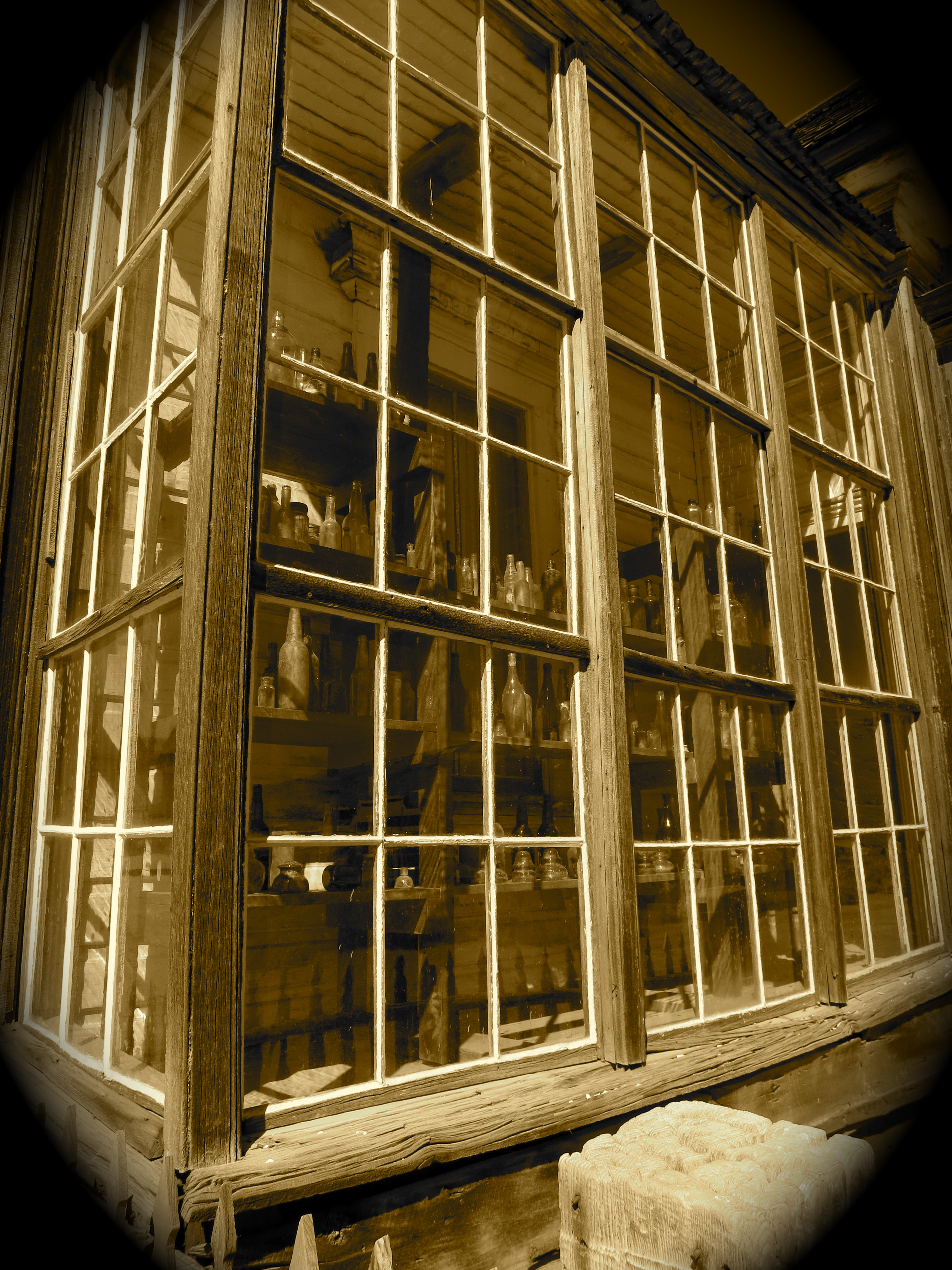
Today Bodie is maintained by the California State Parks system. Self-guided tours allow you to peek into windows and walk through some of the buildings, which remain intact just as they were left, stocked with goods and personal family items, all in a state of “arrested decay“.  Wander into the Bodie Museum/Visitor Center and you will find many interesting artifacts, as well as a t-shirt you can buy that reads “Goodbye God, I’m going to Bodie”.  Legend has it that these very words were found in a young girl’s diary whose family moved her from San Francisco to Bodie.

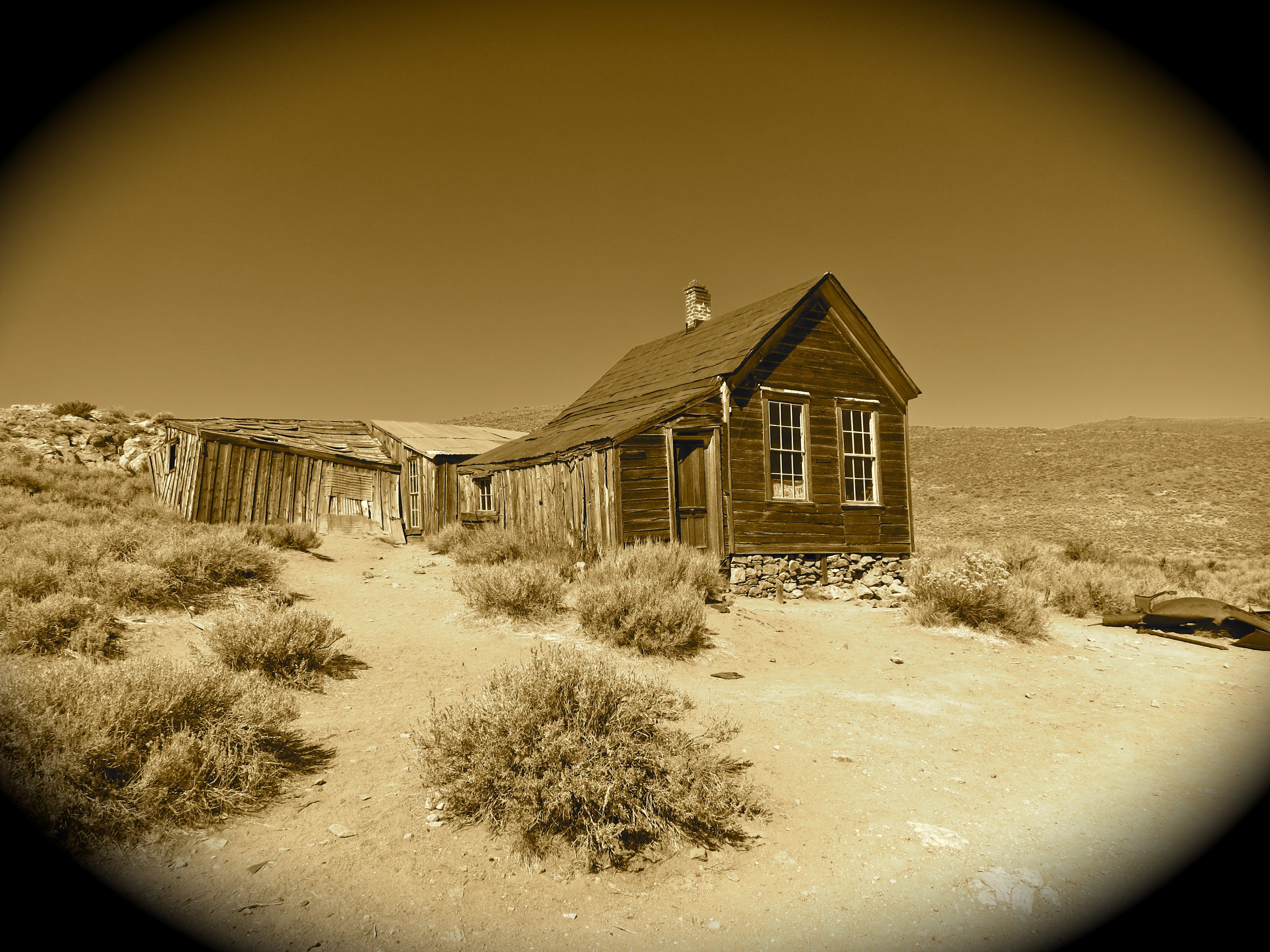
Common homestead

I have read that there is still as much gold sitting underneath Bodie as has been removed.  Perhaps time for a resurrection?  Probably not as this is the town that man could neither tame nor sustain. 

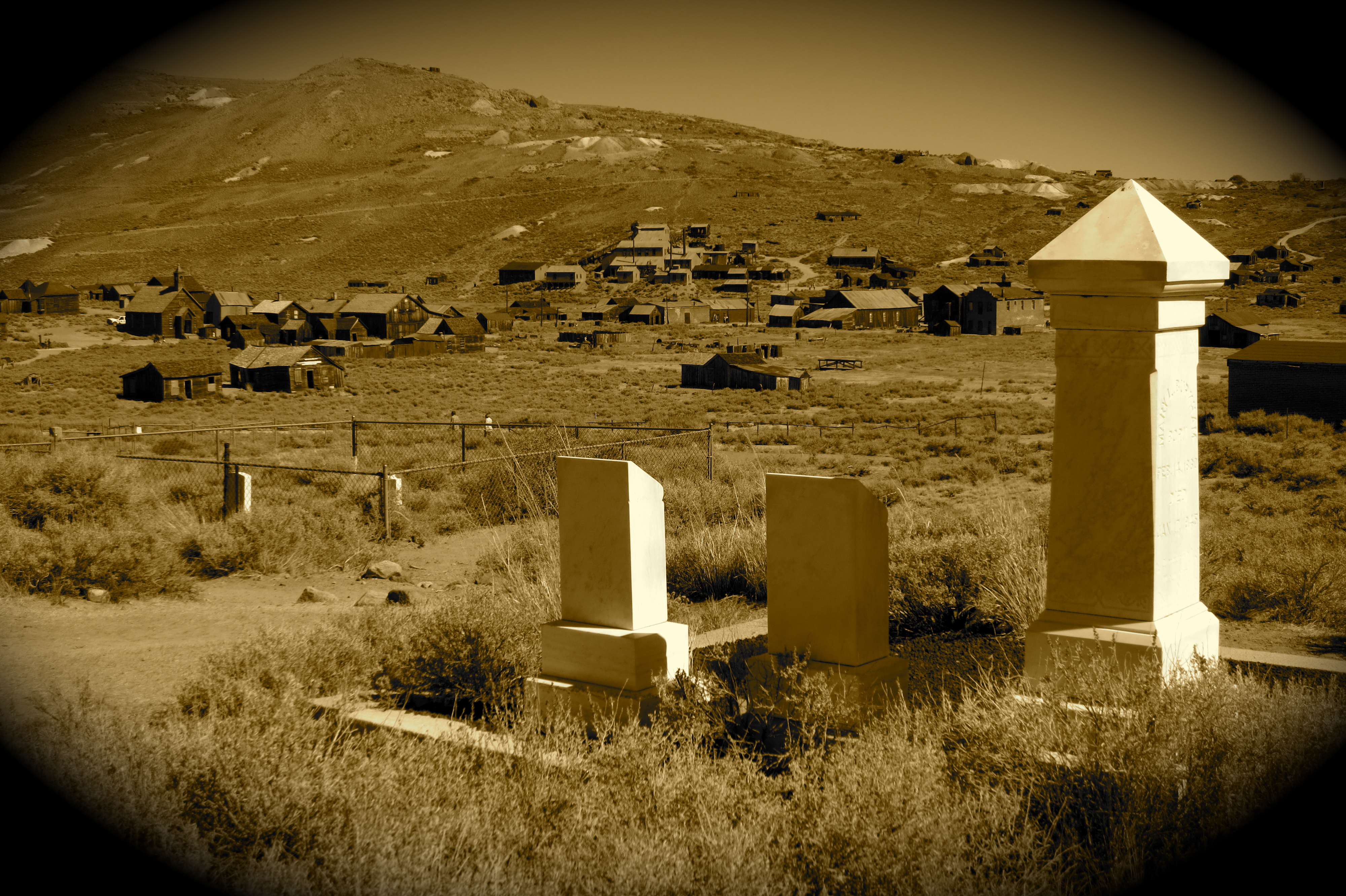
View of Bodie from cemetery

Although we are no longer on our road trip and will be wintering in Southern California, I will be creating some posts from our past adventures, a little blast from the past. 

If you liked this blog post, why not scroll up to ‘Follow Us’ and enter your email address?  You just might find something that interests you.


A Breathtaking Hike and a Sad Farewell ~ Sierra Nevadas, CA

whitney portal trail
Lovely Lone Pine Lake, set in a granite bowl

We have bid a sad farewell to the Sierra Nevadas and moved on from the Alabama Hills due to the threat of a high-wind warning.  Our original plans were to leave a few days hence anyway, so we thought erring on the side of caution was prudent for us.  Our friends Nina and Paul had plans to stay another week, so hopefully the high winds bypassed the Alabamas and we will all be treated instead to some of Nina’s fabulous photography of snow-capped peaks in an upcoming post.

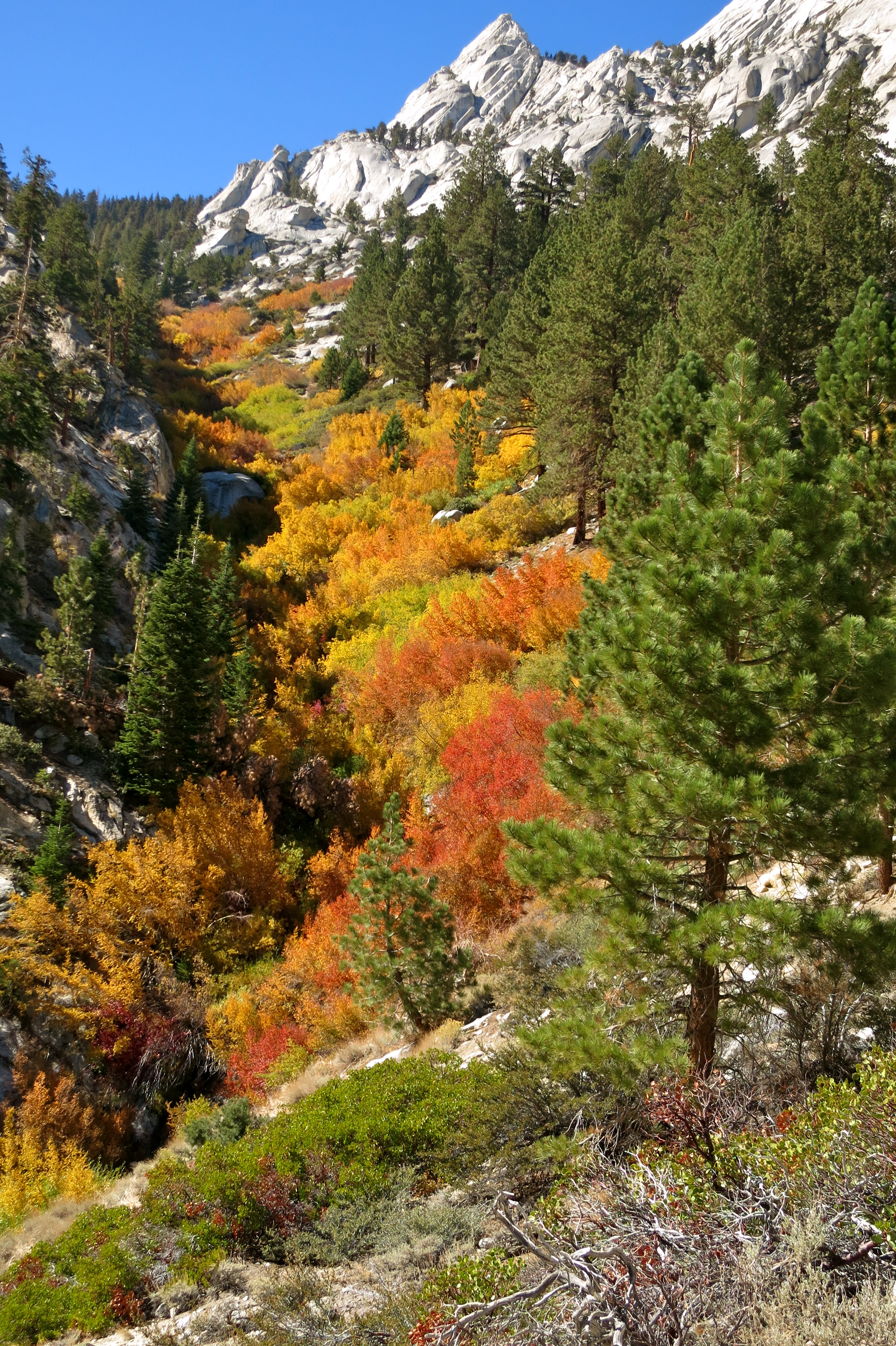
All four of us had planned a second hike before our departure, sadly not to be, but fortunately we did hike the Whitney Portal Trail  to Lone Pine Lake, which was spectacular for viewing soaring granite walls, stunning fall colors, and a lovely lake at the end.  It was rather exciting to think that we were trekking up the same trail that those summiting Mount Whitney hike, although our journey was a much abbreviated version – 2.5 miles vs. 13 miles to the summit.

The gang headin’ out!
Stunning fall colors racing up the canyon

Whitney Portal is one of the busiest trailheads in the Sierra Nevadas and is most often hiked by those going the full distance.  Our 5-miler round-trip began at 8365 feet with a 1500 foot elevation gain to Lone Pine Lake, a far cry from the 6100 foot gain required to summit.  It is a well-maintained trail and a hike that we highly recommend if you are in the area.

Terry enjoying an amazing view to the desert floor below

Although our time here was cut short, we soaked in a lot of natural beauty and enjoyed a breathtaking hike, sharing some good times with friends along the way.  It’s no wonder we are bidding a sad farewell to this magical place.

Lenticular cloud above the Alabama Hills ~ “Sierra Wave”

If you liked this blog post, why not scroll up to ‘Follow Us’ and enter your email address?  You just might find something that interests you.