Silver City, NM, sitting at the edge of the Gila National Forest, is a high desert wonderland of ponderosa pine, red rock mesas, and deep gorges. Founded in 1870, it once was an Apache campsite and a silver mining town. Geronimo had his roots near Silver City, being born just north of here at the headwaters of the Gila River and Billy the Kid made a name for himself here as well, having been arrested twice in Silver City. His mother is buried in the town cemetery.
We stayed at the Rose Valley RV Ranch for a few days, enjoying some time with friends Kevin and Erin, whom we met initially in Ajijic, MX. They showed us the lay of the land while we were south of the border and generously did so again during our time in Silver City. Our only regret was that the weather did not cooperate to allow us to hike this beautiful part of New Mexico, as a winter storm pushed its way through most of the state during our time there.
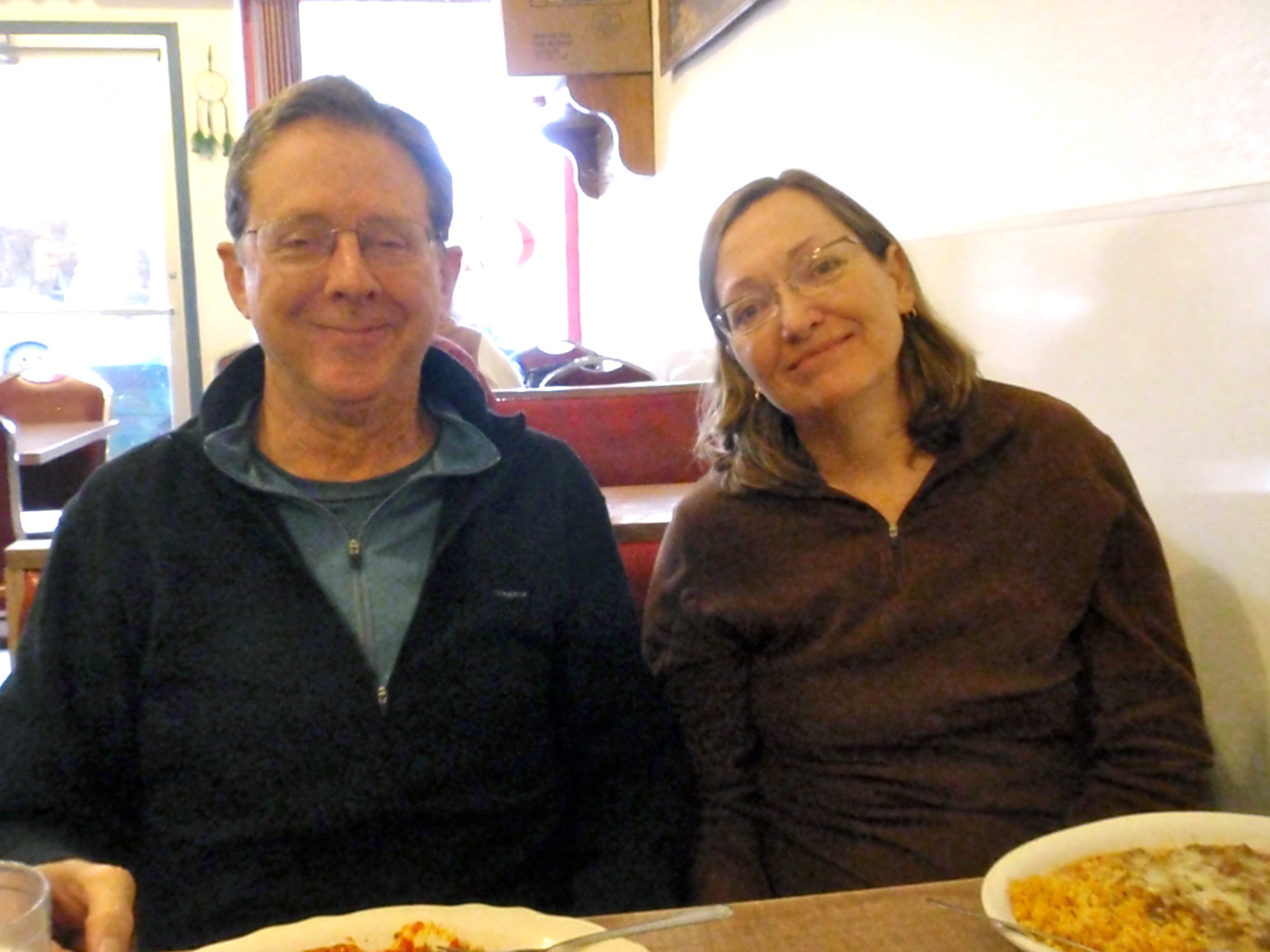
Terry celebrated a birthday while we were in Silver and Kevin, the gifted chef that he is, made a very special birthday lunch for the four of us. Thanks to Kevin and Erin we had the inside track on some tasty meals in a couple of the local haunts as well.
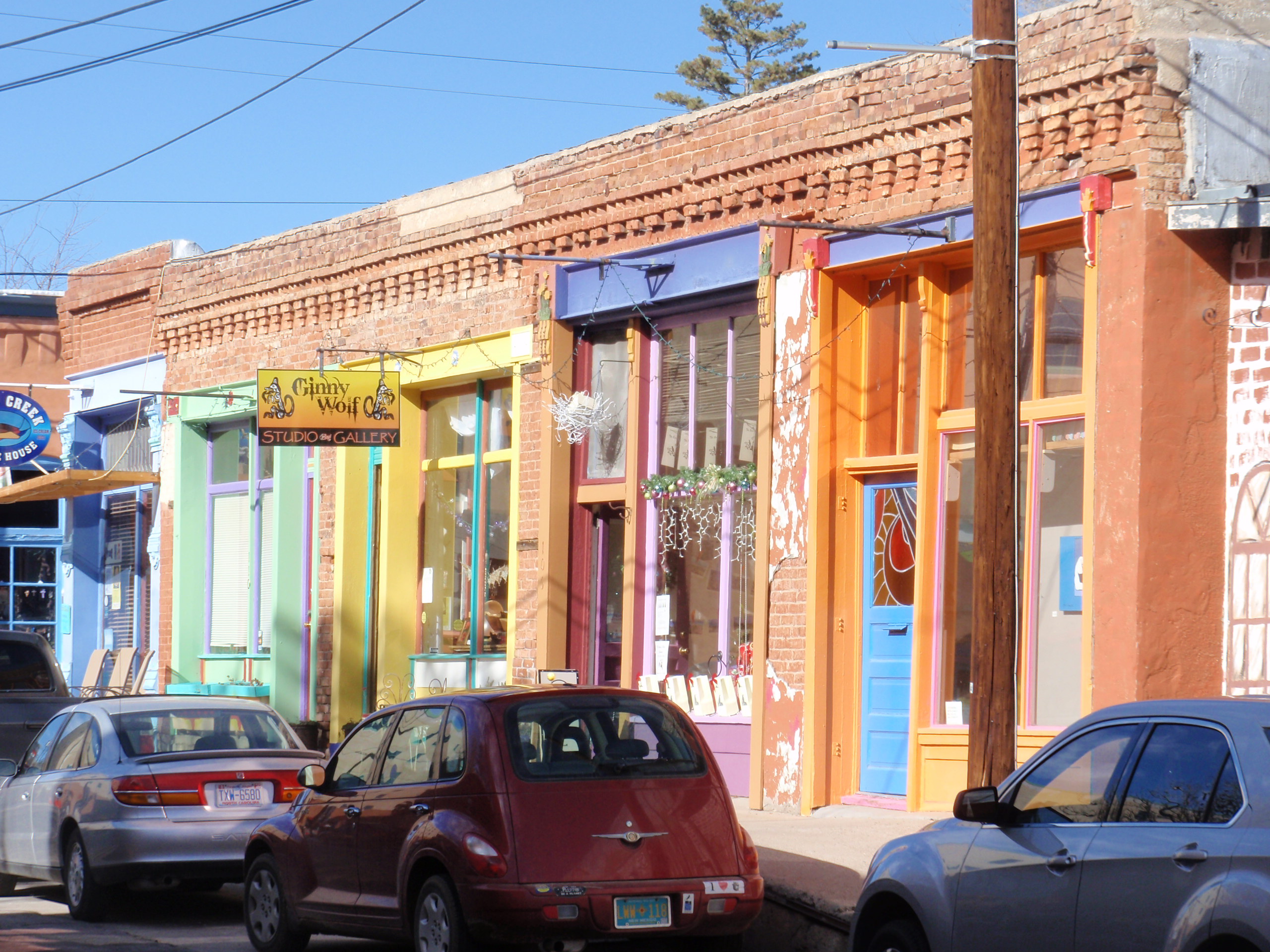
Although rain plagued our visit, we all braved the weather and perused some of the more tasteful galleries in town, of which there are many.
Gallery row in Silver City
We can’t thank Kevin and Erin enough for giving of their time as they did while we were in Silver City to show us the flavor of the area. Given their warm and giving spirits, we were reminded of why we connected with them during our time in Mexico and why we chose to spend time with them again in Silver City.
Our last day in the Carlsbad area and we knew we did not want to leave before seeing Guadalupe Mountains National Park, although Terry had been under the weather for a couple of days with a stomach bug and I had some sinus woes as a result of a cold, windy hike we had done while in Fort Davis. We headed down the same road that led us to Carlsbad Caverns, as both national parks are in the Guadalupe mountain range.
Guadalupe Mountains National Park, having been dedicated in 1972, is probably one of the best kept national park secrets and perhaps one of the smallest, comprising a mere 86,000 acres. It safeguards one of the best examples of an ancient marine fossil reef on Earth, the Capitan Reef, which is one of the main reasons for its preservation as a national park.
Unless you plan to hike parts of this wilderness you are not going to see what makes it so special as there is little driving to be done. Since neither of us was feeling 100% and the winds were quite strong (a trademark of Guadalupe Mountains) , we opted for a tour of the visitor center, which was wonderful, and a video of the park.
We learned that this park boasts over 300 species of bird, alpine forests, grassy meadows and burbling streams. It is also home to 4 of the highest peaks in Texas, Guadalupe Peak being the tallest at 8749 feet, but much less conspicuous than El Capitan at 8085 feet (shown at the right) and yes, it carries the same name as the famous El Capitan in Yosemite National Park.
If any of you has hiked a trail(s) in Guadalupe Mountains National Park, I would be interested in hearing about your experience. We were interested in doing the McKittrick Canyon Trail and heard that the Guadalupe Peak Trail was pretty special as well.
Silver City, NM is our next stop, to visit some friends that we originally met during our year in Mexico.
Well, we arrived in New Mexico just as the winter storm came through, plummeting temperatures, providing a little snow and wind, and a whole lot of cold. Our goal initially was to head to Guadalupe Mountains National Park in Texas but the route there from Fort Davis did not look too promising, given the low temps and windy conditions so we went to Plan B.
Our window of time allotted in this area is not very long and we were wondering if we would be able to see either Carlsbad Caverns or Guadalupe Mountains, as the road leading out to them had been closed. We were in luck on day 2 for the caverns, so we headed out for a tour.
I am pretty claustrophobic so I wasn’t sure what to expect when we arrived at the caverns. We opted for the self-guided tour, which did not include wading through mud and who knows what else (bat guano) and crawling through some tight spots with only your ranger and a trusty headlamp to guide you.
Carlsbad Caverns was established as a national park on May 14, 1930 and is located in the Guadalupe Mountains in southeastern New Mexico. The primary attraction at the caverns is the Big Room, which can be accessed by elevator or hiking in through the natural entrance, taking you 750 feet below the surface. The Big Room is a natural limestone chamber almost 4000 feet long, 625 feet wide, and 350 feet at its highest point. It is the 3rd largest chamber in the U.S. and the 7th in the world. The temperature in the caves was a balmy 56° with 90% humidity, much nicer than the 30° outside.
Jim White, a park ranger for the NPS, is given credit for the discovery and early exploration of Carlsbad Caverns (as early as his teens). He named many of the rooms and more prominent formations within the caverns; i.e. Bottomless Pit, Fairyland, Temple of the Sun, Rock of Ages.
The park contains 116 caves, with only two open to the public. Slaughter Canyon Cave does not have paving or lighting installed, as ours did, and visitors can only enter this cave accompanied by a park ranger.
Besides the groundwater, geological activity that freed brine mixed with other elements formed sulfuric acid that helped to form these caves and the stalactites, stalagmites, and other speleothems found throughout the caverns. Some of the most striking features found here would not have been possible without the corrosive action of this acid. Today there are few areas of these caverns that are still wet, due to the desert climate. Carlsbad Caverns is not considered dead or alive, just inactive.
Walking through the Big Room seemed otherworldly and pictures taken with our camera cannot begin to depict the vastness of this cavern. I have included a slideshow below for your viewing pleasure, as well as a link to some amazing photos taken of the caverns by a Q T Luong.
Big Bend National Park, located in a remote section of southwestern Texas, was open to the public as a national park on July 1, 1944. It covers over 800,000 acres, with the Rio Grande River flowing through it, forming an international border between the U.S. and Mexico.
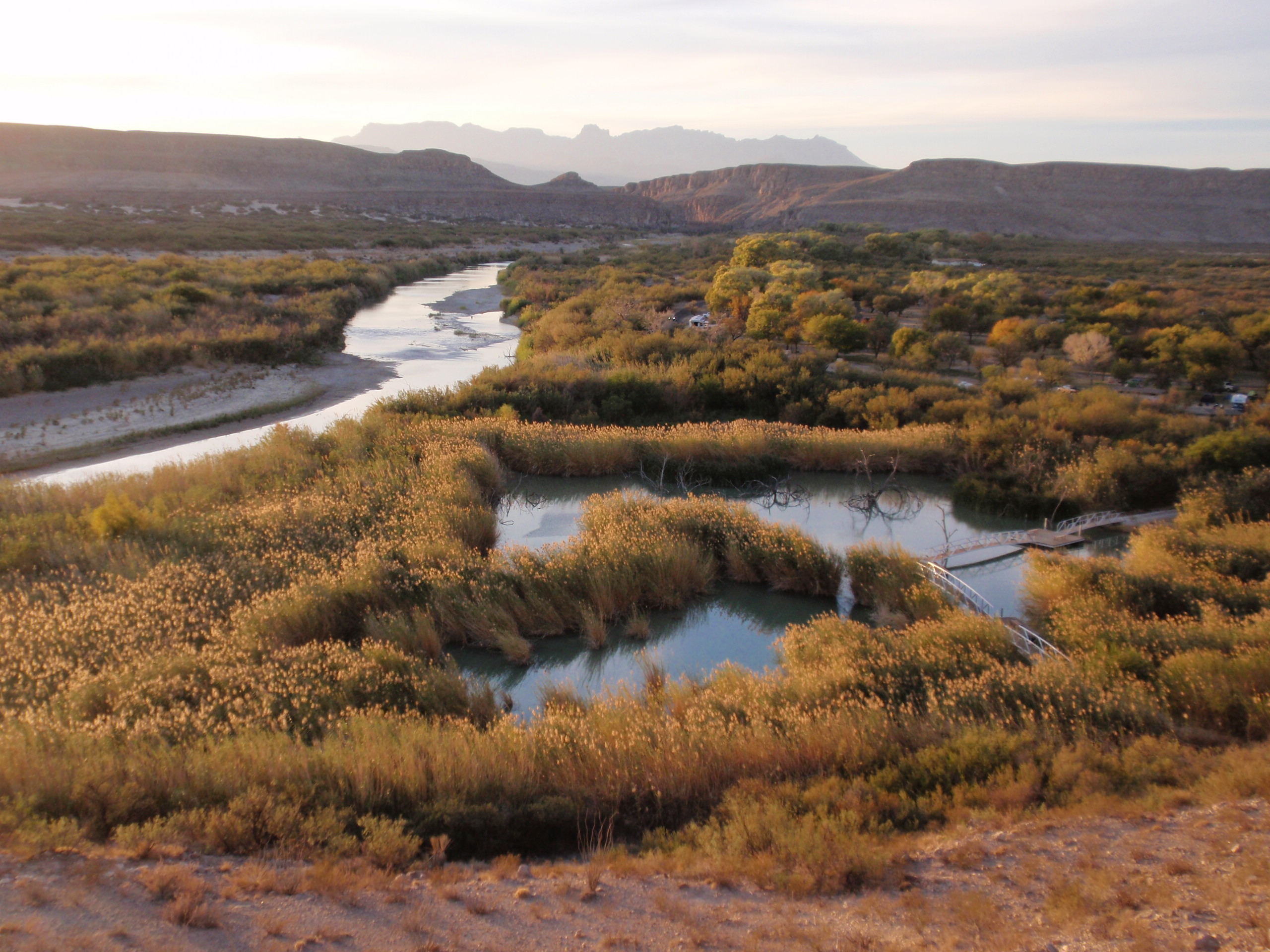
We stayed in the park at the Rio Grande Village campground, boondocking at $7/night, not too shabby and the views were pretty nice too! The temperatures in the daytime were in the mid to upper 70’s and in the mid 30’s at night.
We love to get out into nature and hike, but with only 3 full days in the park, we opted for shorter scenic hikes in various parts of the park so we could see more of this sprawling wilderness area.
Our first night near sunset we took a hike from our campground onto the nature trail that wandered up to a small butte. From the top we could look out onto the Rio Grande and our campground below and a 180° turn gave us views of another country, that being Mexico.
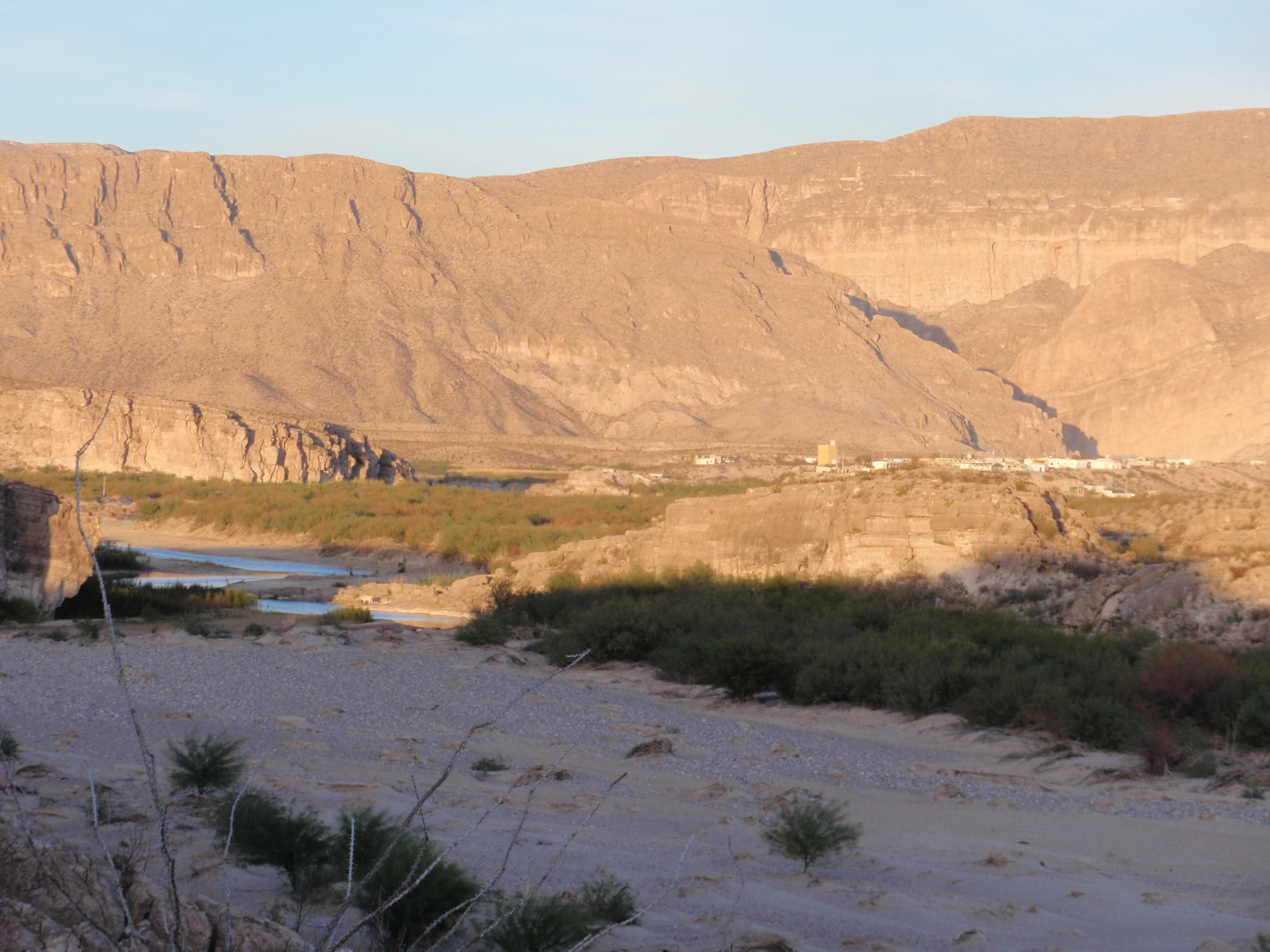
From atop this knoll we looked down on the little village of Boquillas, with the Sierra del Carmen mountains towering over it. Hard to imagine that Mexico was so close to where we stood. Seeing Boquillas off in the distance brought back some fond memories of our year traveling in Mexico.
Day 1 ~ Hot Springs Trail
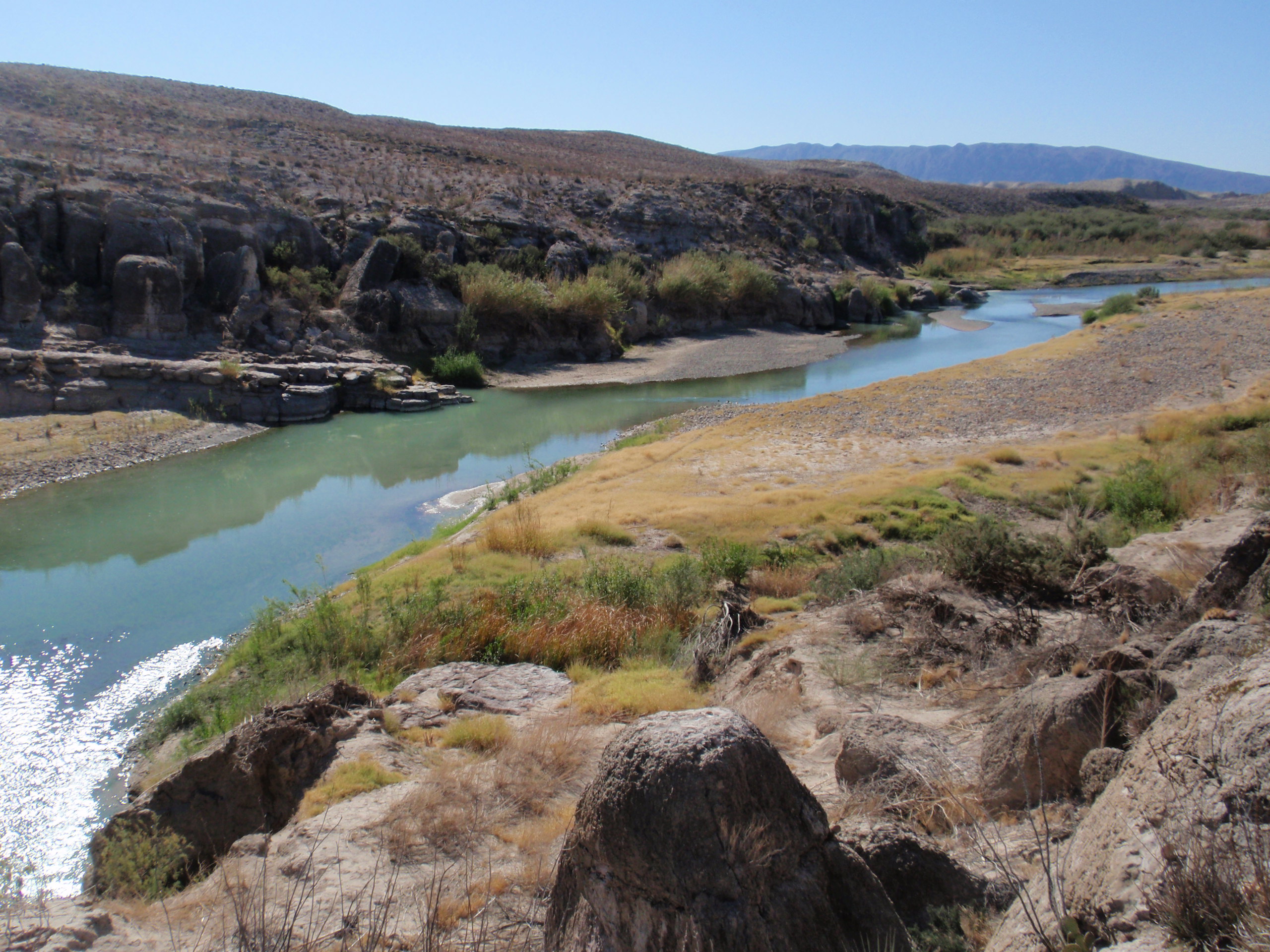
Everyone was recommending this 6-mile trail to us, and with the satisfaction of knowing we would be soaking in a hot springs at the edge of the Rio Grande at the trail’s end, enough said, we’re there! Walking above the Rio Grande on this trail, we realized just what a narrow river it is, at least where it meanders through the park, and the canyon walls rising above it were breathtaking.
Given that we came to the park in the “shoulder season”, the hot springs were ours, with no crowds to fend off. With Terry scouting for other hikers on the trail (we had not seen any to this point), I decided to change into my swimsuit in the open. I made a quick change, no problem, (or so I thought) unless you would call a photo-shooting hubby a problem. As I turned to get into the hot springs, across the Rio Grande (did I mention it is a narrow river) are three horses and two young Mexican men, looking across the river. Suffice it to say, I did not offer them my most flattering side for their viewing pleasure! Oh well, no danger of running into either of them anytime soon! After a luxurious soak in the springs, we hiked back out to the trailhead.
Day 2 ~ Chisos Basin
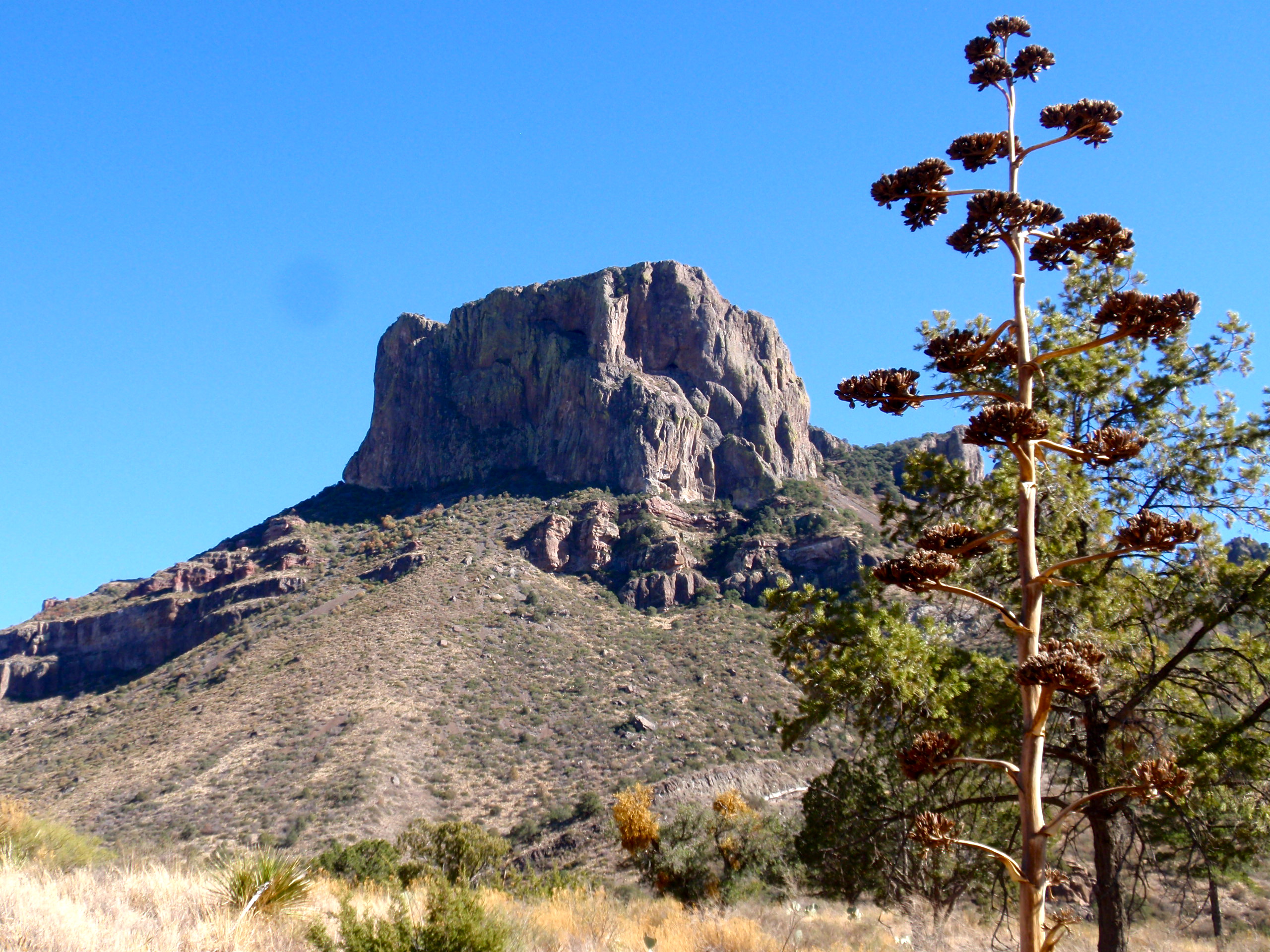
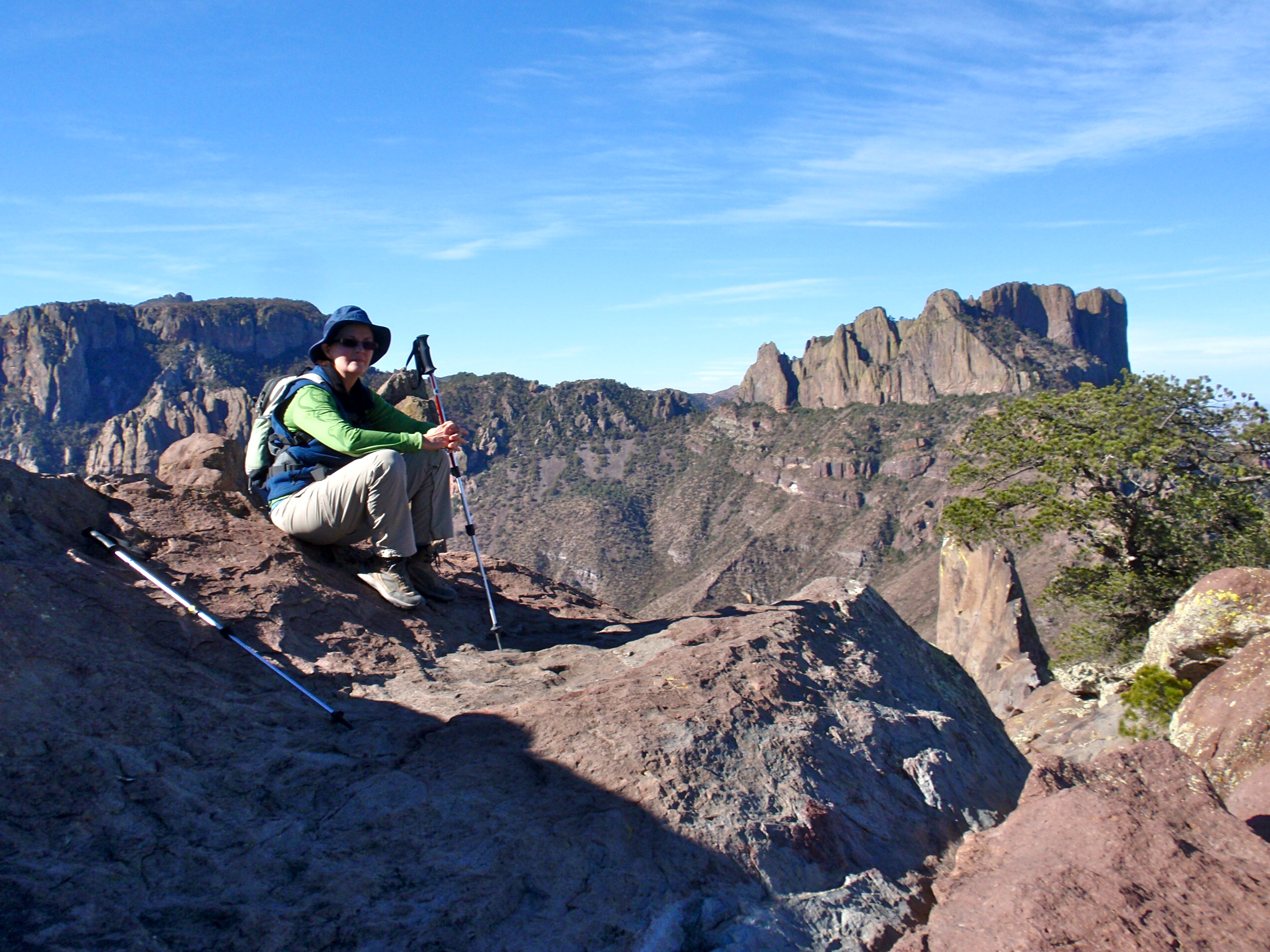
Lost Mine Trail, yet another recommendation from park hosts, is a 5-mile hike in the Chisos Mountains, with elevation gains of 1100 feet. It is a 2.5 mile steady climb up to the peak so it got our hearts pumping and was a great leg workout to boot! When we made it to the top we were presented with 360° views, gorgeous no matter the direction. The Casa Grande rock formation, seen to the left, was prominent as we worked our way up. It sits at 7325 feet and is one of the more striking formations in the park. Viewed from the visitor center at Chisos Basin, it is just as stunning.
Emory Peak is the tallest in the park, at 7832 feet and the 9th tallest in Texas. They make a lot of things big in Texas but their mountains don’t seem to be one of them!
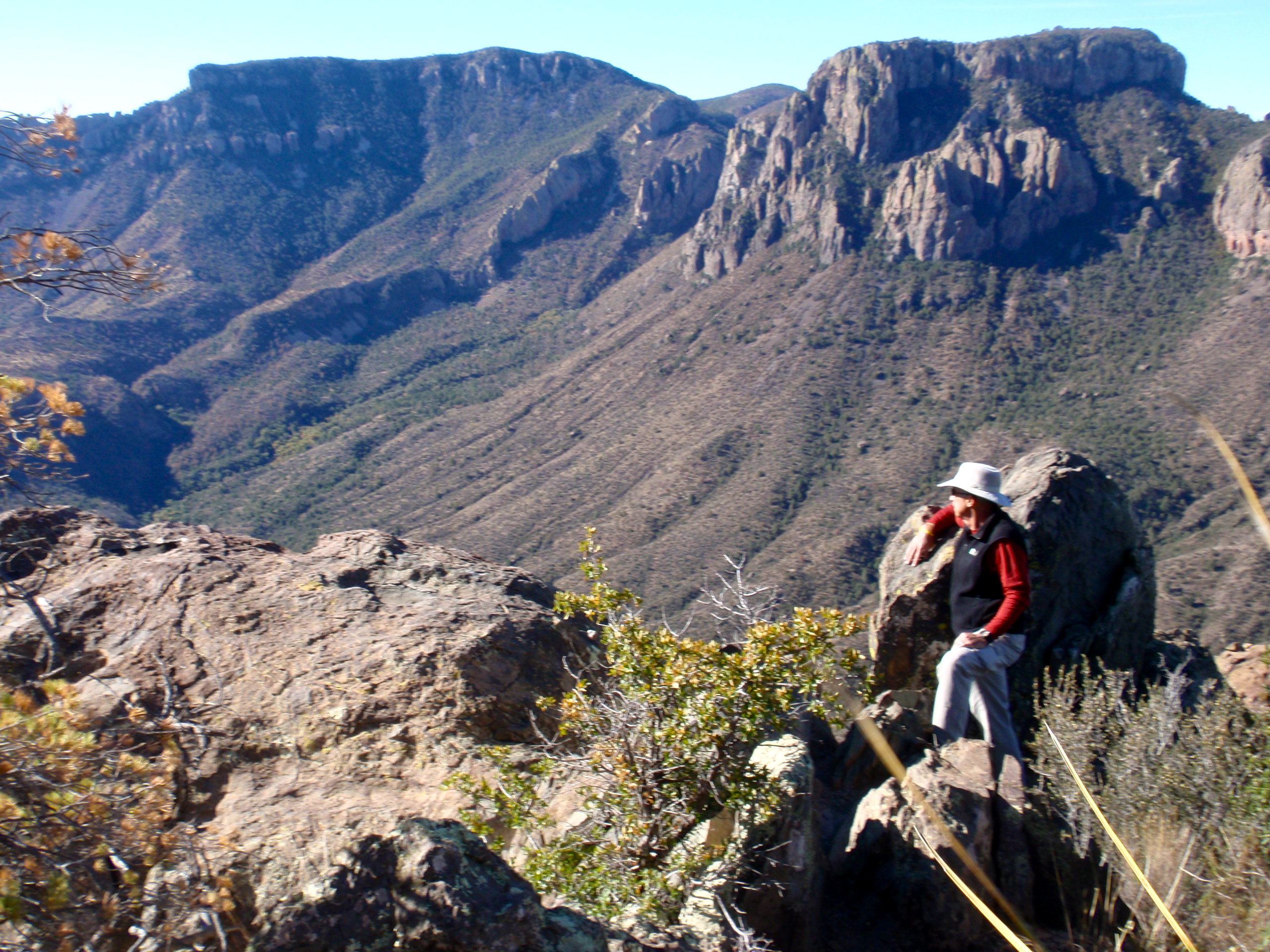
Terry and I spent a little time at the top of the Lost Mine Trail, to soak in the sun and views. Here a few shots from above.
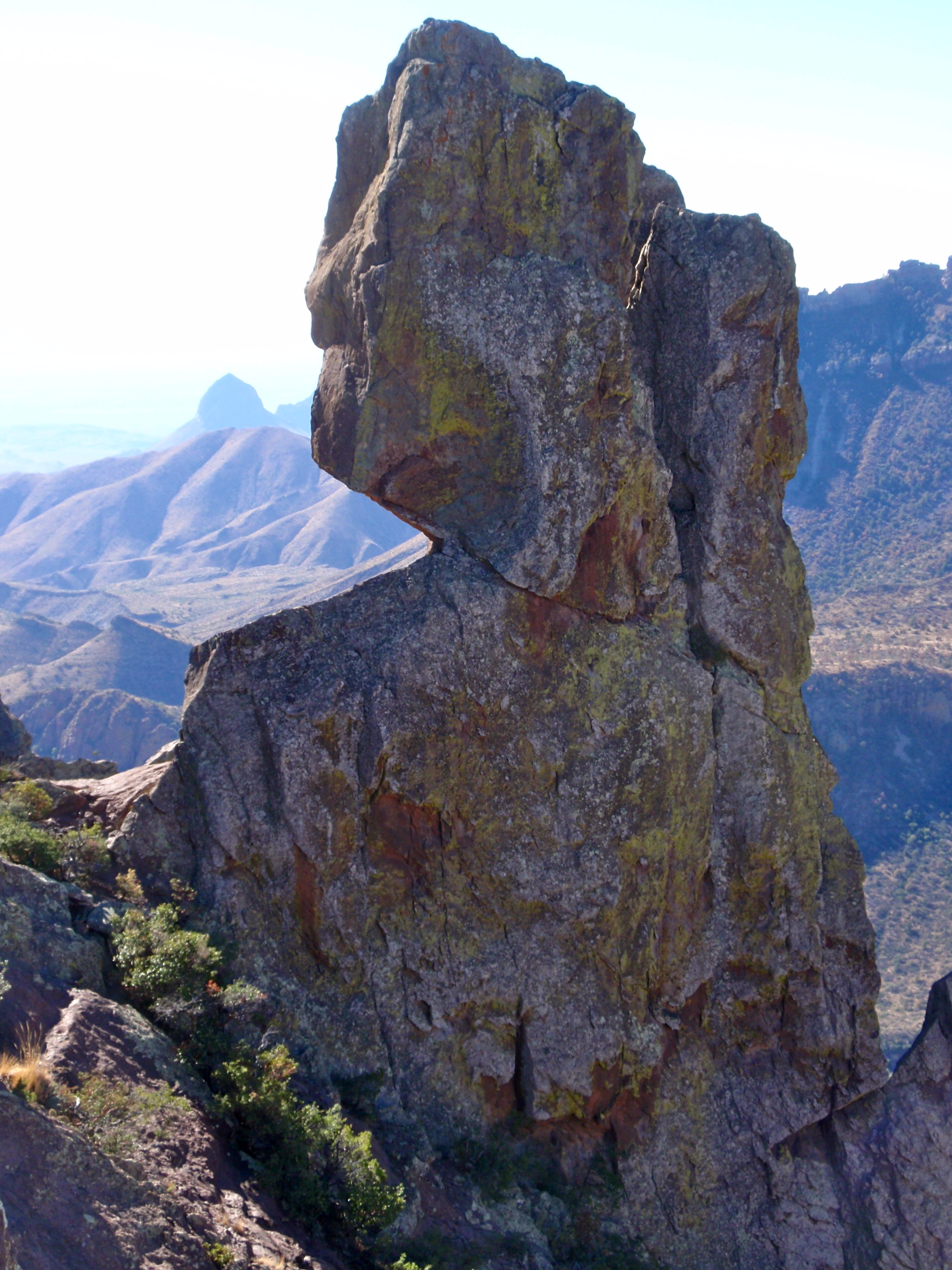
Terry, looking out over the Chisos Mountain RangeMe enjoying the views from on high"V" Rock
Once down off the trail, we headed to the Chisos Mountain Lodge for a light lunch and some lovely views, which we are told are even more so at sunset.
Window Rock from Chisos Mountain Lodge
Day 3 ~ Ross Maxwell Scenic Drive
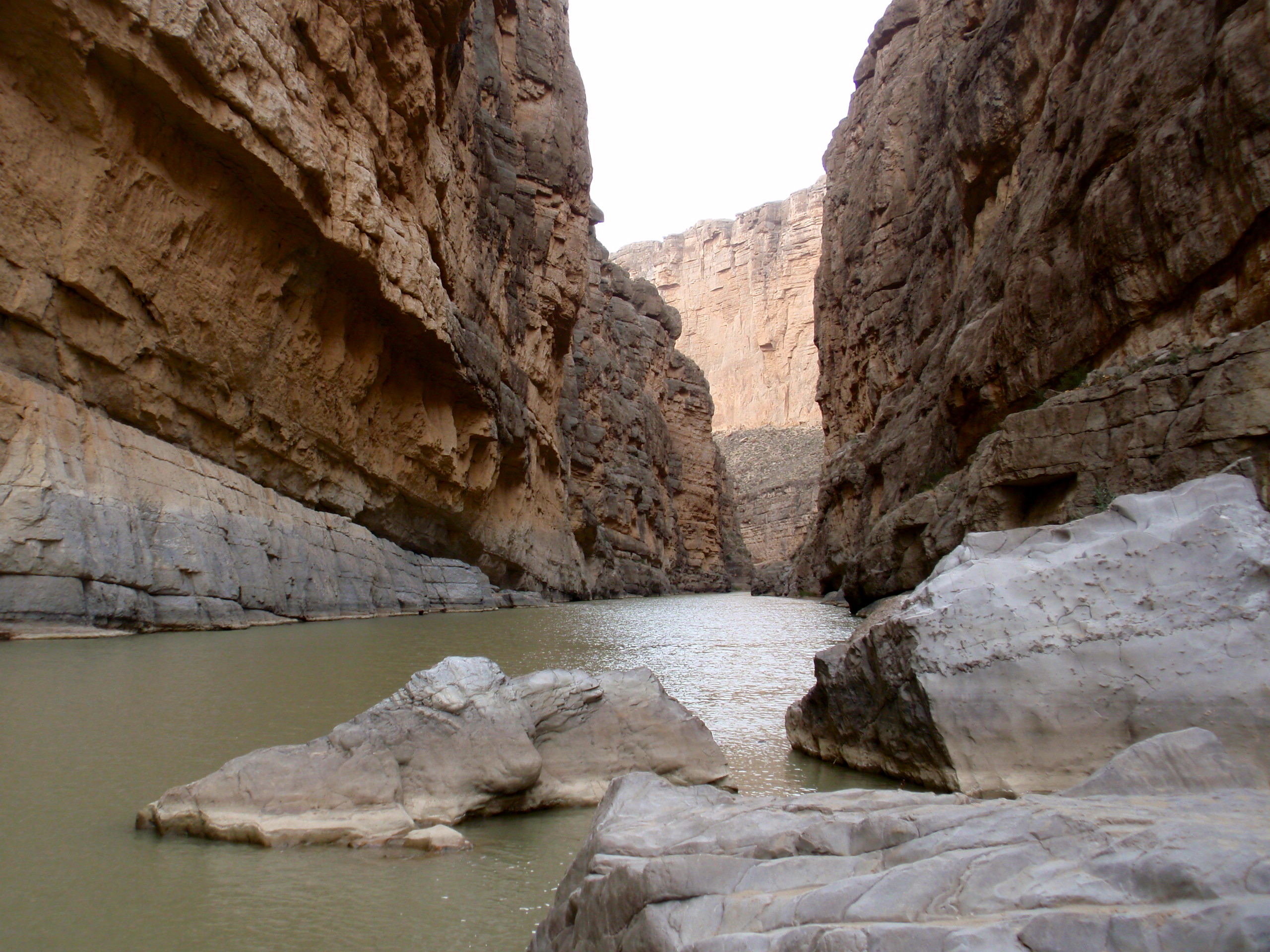
Our final day at the park was to be a driving tour of the west side, with a couple of short hikes off-road to enjoy some sights. Our destination was Santa Elena Canyon, where those boating the Rio Grande usually put in. At this time of the year, the Rio Grande is a slow-moving river with rapids only in the spring when the flooding occurs. We took the 1.6-mile Santa Elena Canyon Trail to the river bottom, which gave us gorgeous views of the sheer canyon walls of Mesa de Anguilla on the Mexico side.
On our way back, we saw some other interesting rock formations worthy of a photo or two.
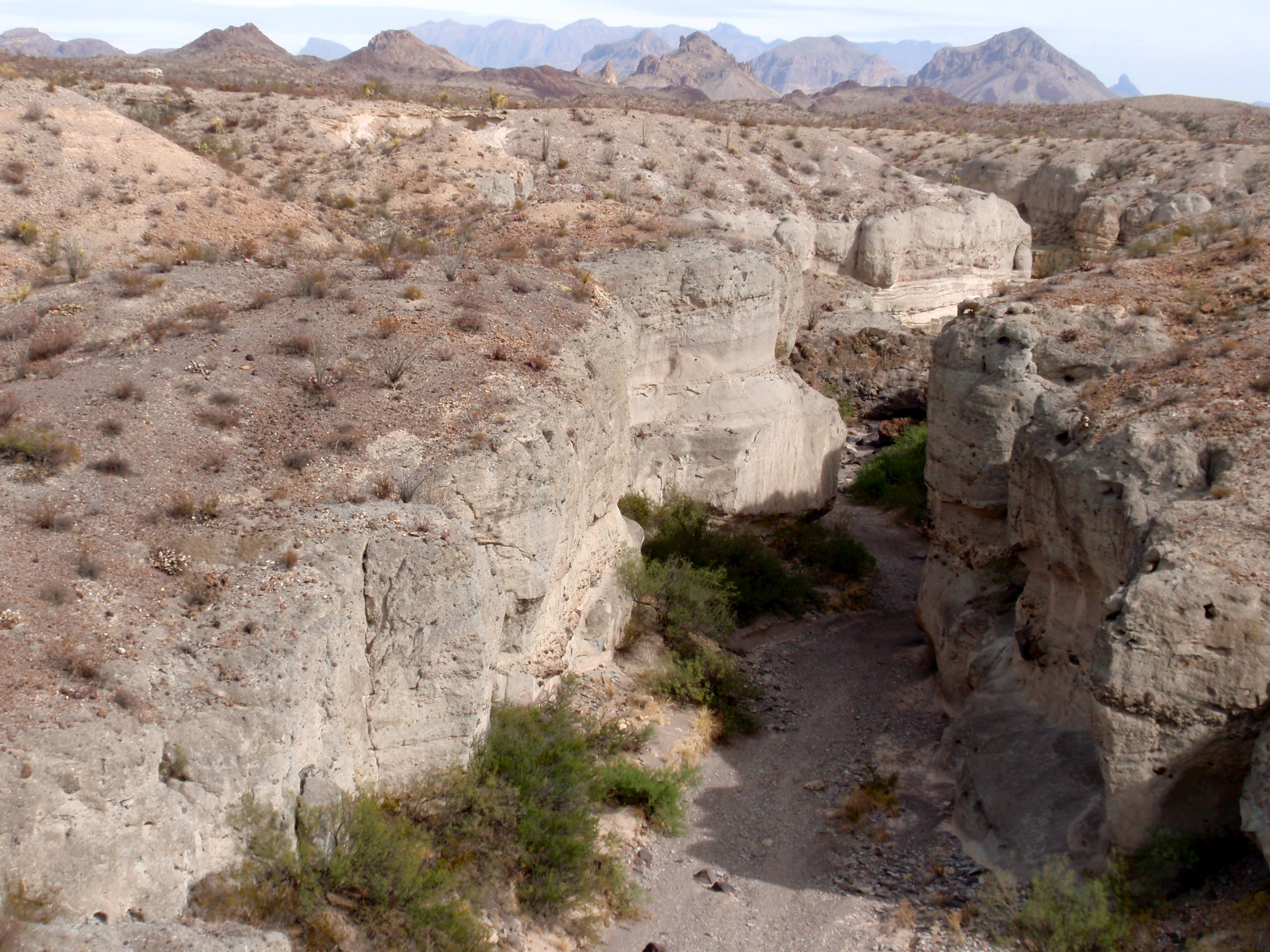
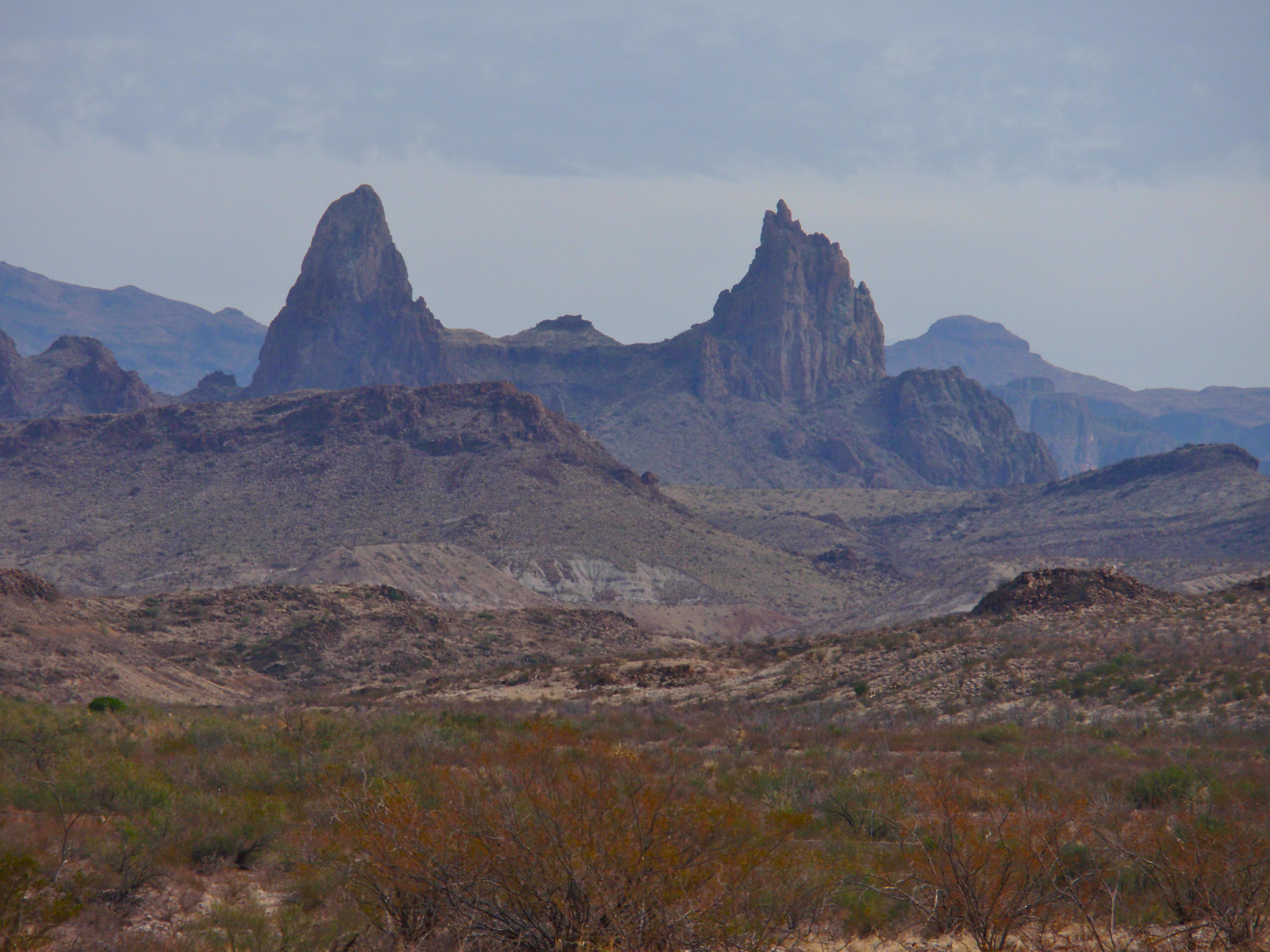
Tuff Canyon, which reminded us of Buckskin Gulch in UtahMules Ears Peak on a cloudy dayGoat Mountain
Goat Mountain is a geologist’s dream, with horizontal pyroclastic flow deposits from volcanic eruptions 29 million years ago – such beautiful colors!
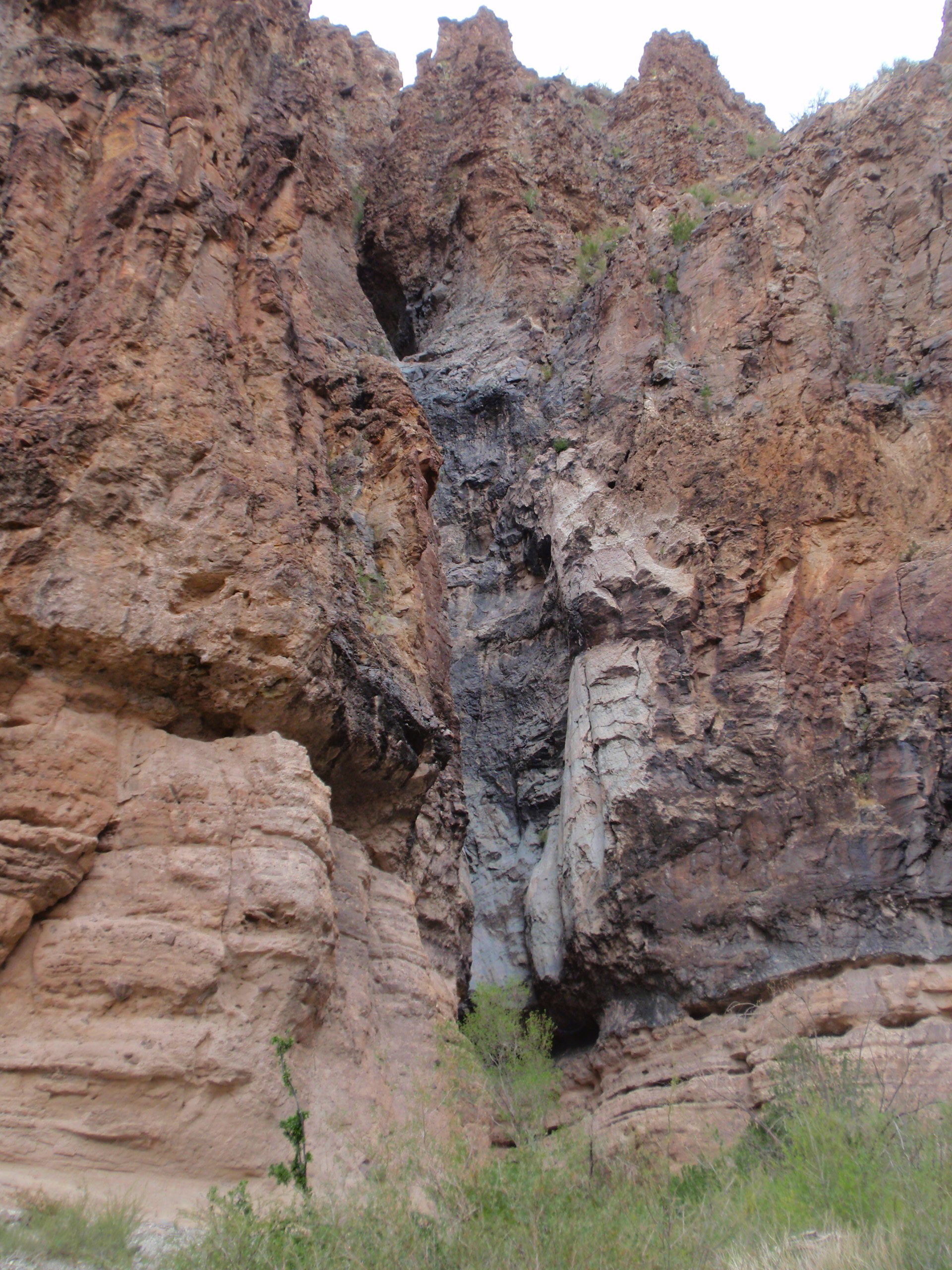
Our last stop of the day before going back to our campground was at the Lower Burro Mesa Pour-off, an easy 1-mile hike back into a canyon with some special views of the pour-off. We would love to be there when the water was running but guess that would not be possible as our trail, which was a dry riverbed would probably be a raging river.
Lower Burro Mesa Pour-offClose-up of the pour-off. Imagine floodwaters pouring over the top.
Our time at Big Bend has drawn to an end. From here we are headed to Fort Davis, TX, then on to Guadalupe Mountains National Park.
When we arrived in San Antonio for two weeks, our top priority was to just sit back and relax for a while but with so much opportunity for exercise with the River Walk right out our front door, so much history to immerse ourselves in, and so many places to see, relaxation just had to take a back seat.
Whenever we go to a city where there is this much history, we always seem to gravitate towards the churches in the area and San Antonio was no different.
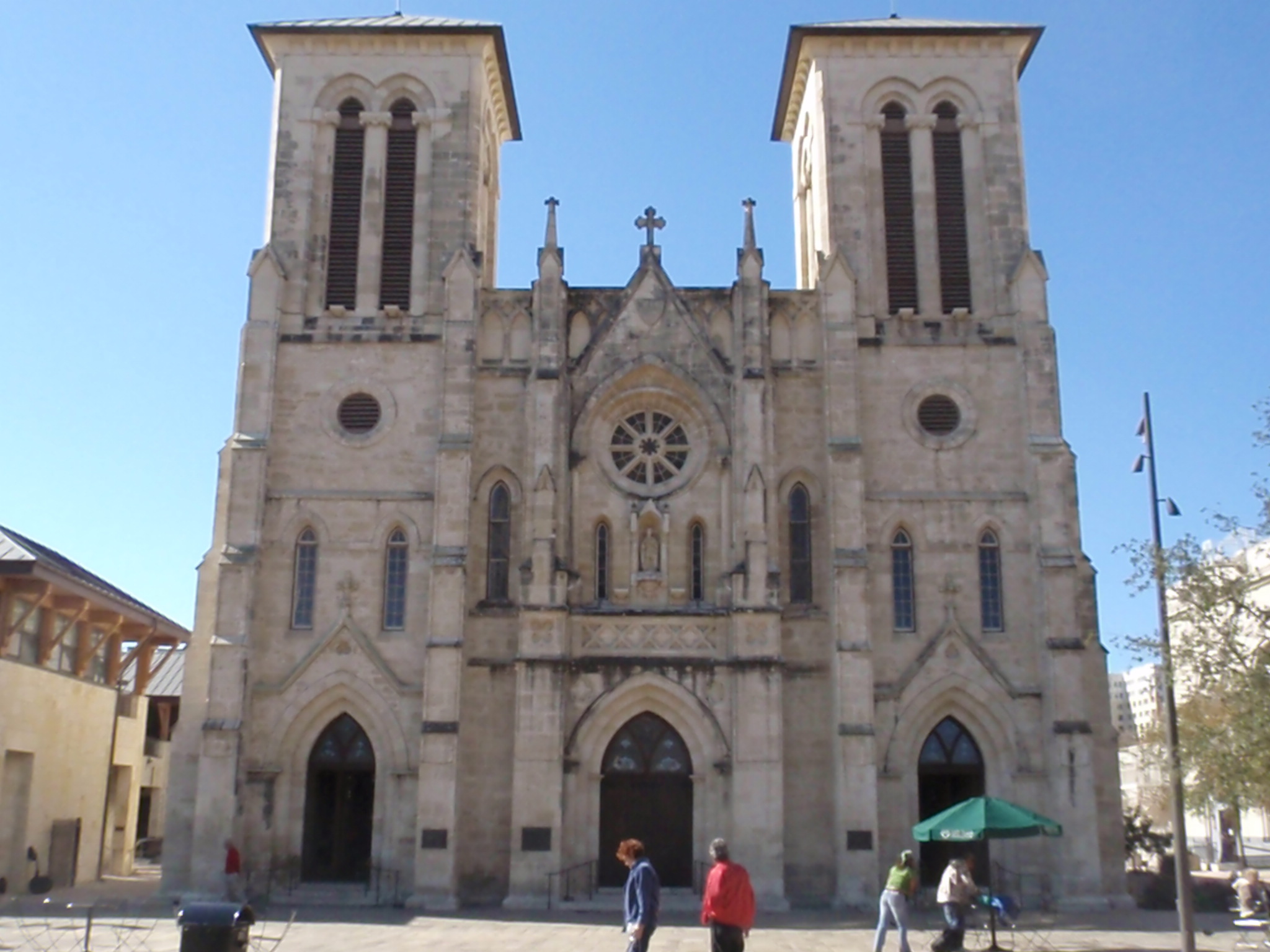
San Fernando Cathedral is the nation’s oldest cathedral, listed on the National Registry of Historic Places. It was built between 1738 and 1750 and was named for Ferdinand III of Castile, who ruled in the 13th century. In 1868 it was enlarged considerably in the Gothic style.
Besides being the nation’s first cathedral, it is also renown for having been the location where the Battle of the Alamo originated. It was here that General Antonio López de Santa Anna, leader of the Mexican troops, hoisted a flag of “no quarter” (meaning no clemency or no mercy for their enemies), marking the beginning of the 13-day siege.
It is also here, in the sanctuary, where the remains of William Travis and James Bowie, co-commanders, as well as Davey Crockett, congressman and defender of the Alamo, are entombed.
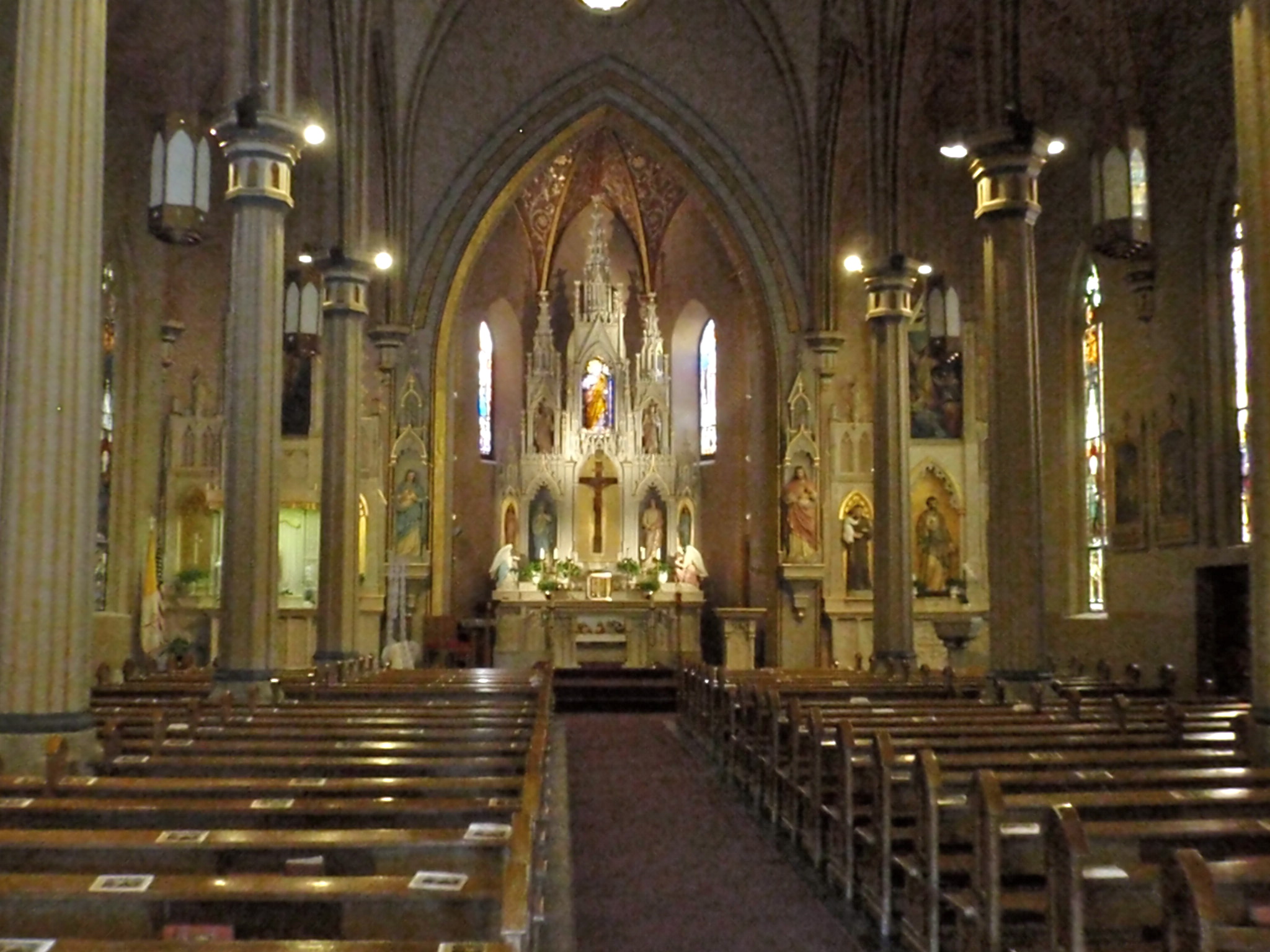
St. Joseph’s Catholic Church was constructed in 1868 for the booming German immigrant population of that time. It is the city’s 4th Catholic parish and the mass was originally said in German. The congregation has dwindled over the years as commercial office and retail space has engulfed it. The interior was worth a few photos, as you can see below.
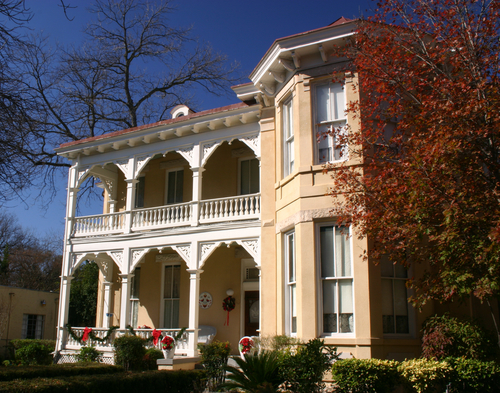
The King William Historic District is a 25-block area near downtown that was one of the most elegant residential areas in San Antonio in the 1800’s. Given the number of stunning homes that we saw while strolling through this area, it would be easy to say that King William still holds this title.
The San Antonio Museum of Art is housed in a lovely 1904 historic brewery complex. While we were there an exhibit entitled “5000 Years of Chinese Jade” was being shown and it was quite impressive, along with the Latin American art, which reminded us of our time in Mexico, but the most notable installation, in my opinion, was in the Asian art gallery, the Medicine Buddha Sand Mandala.
The mandala in this collection was created by a group of Tibetan monks from Drepung Loseling monastery in Karnatoka, India in 2001. It is one of only four in the US and approval had to be gained to keep it intact.
The mandala is created using colored sands and is painstakingly laid down by the use of tubes, funnels, and scrapers until the desired pattern is achieved. These symbolic works of art typically take several weeks to create, due to the intricate detail. Once completed, the mandala is dismantled after a set period of time, as this represents impermanence, a key teaching in Buddhism. This deterioration is often a highly ceremonial affair.
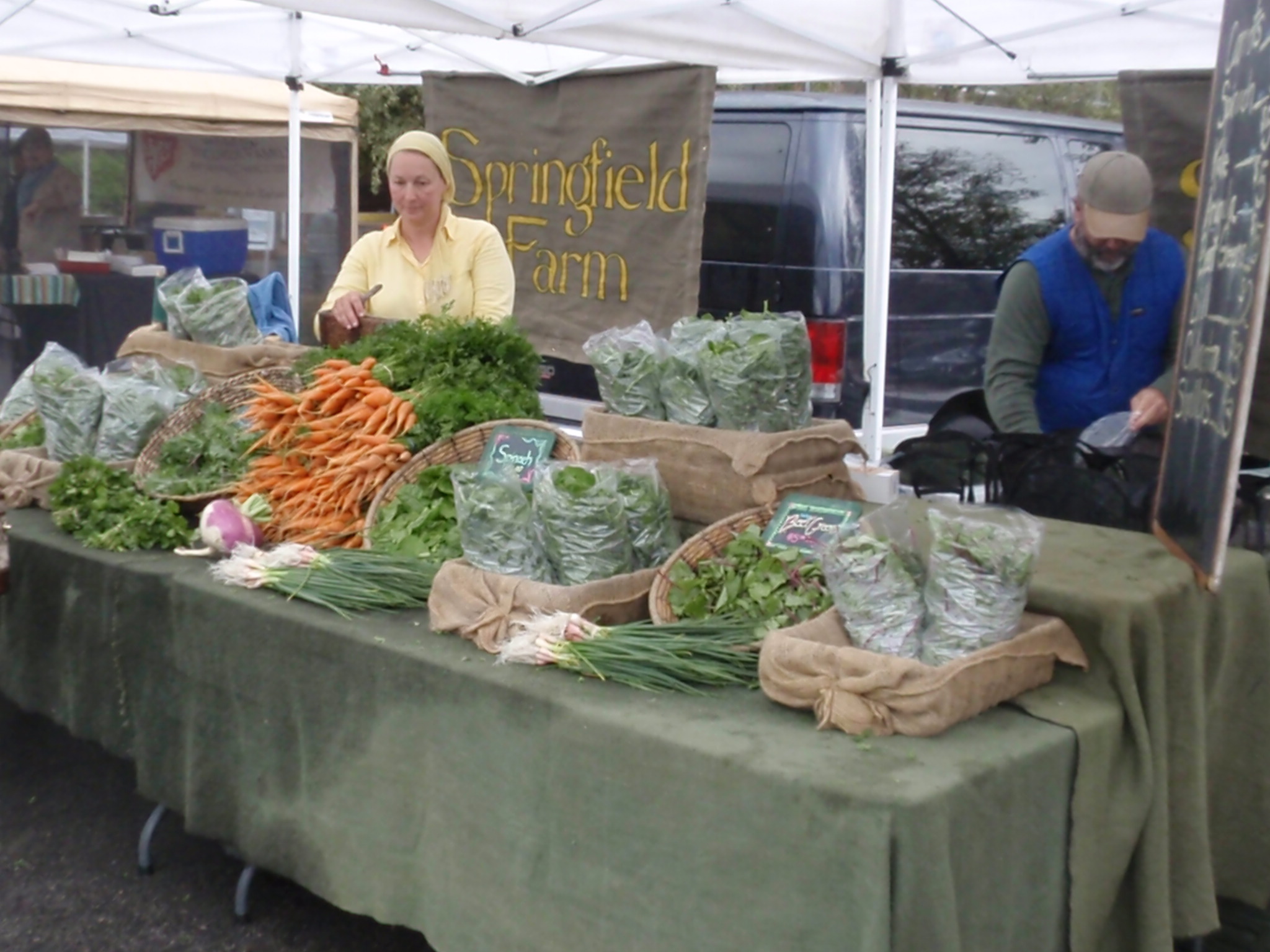
We are always on the hunt for a farmers’ market when we arrive in a city and the Pearl Brewery was to be our destination.
Pearl Brewery was a working brewery from 1883 until 2001, when an enterprising company, Silver Ventures, Inc. purchased the property and made it the crown jewel in the revitalization efforts of northern downtown San Antonio. It is now a cultural and culinary destination, with restaurants, boutiques, an Aveda teaching school and a culinary institute. Saturday morning is the farmers’ market and it was very nice indeed, offering fresh vegetables, meats, baked goods, cheeses, honey, and chocolate, to name a few.
Sadly, our time here in San Antonio is drawing to an end, but we have Big Bend National Park to look forward to next, so we head down the road once again.












 Paint Your Landscape