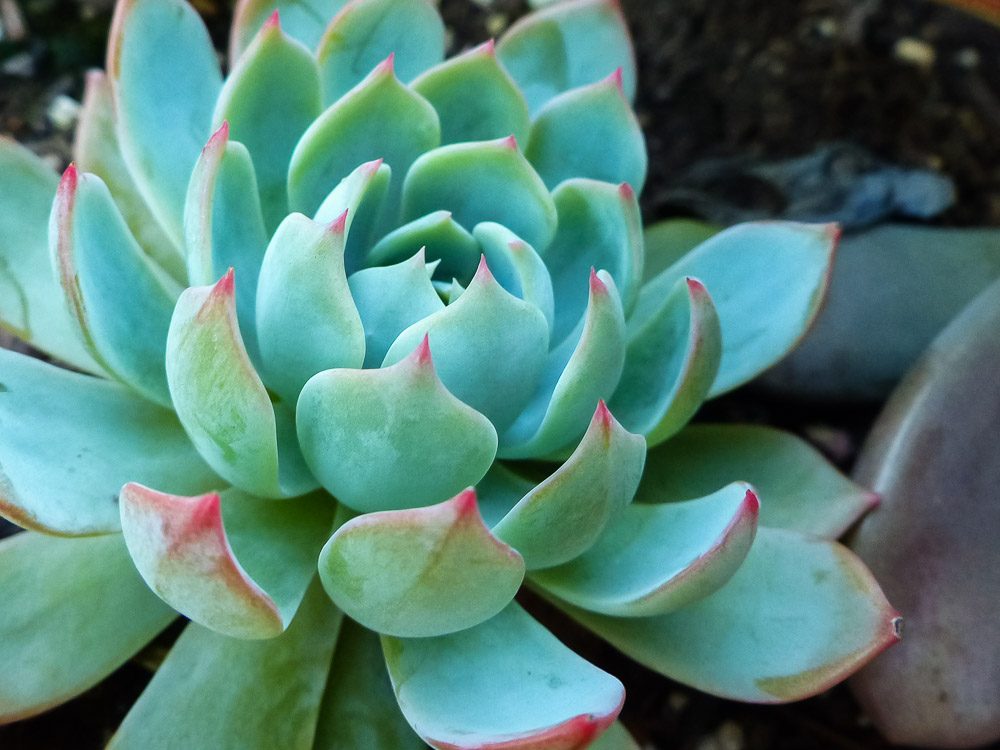
It was difficult to pull ourselves away from Guanajuato, but there are so many other interesting cities to see, so on we go to San Miguel, known as el corazon de Mexico (the heart of Mexico)!

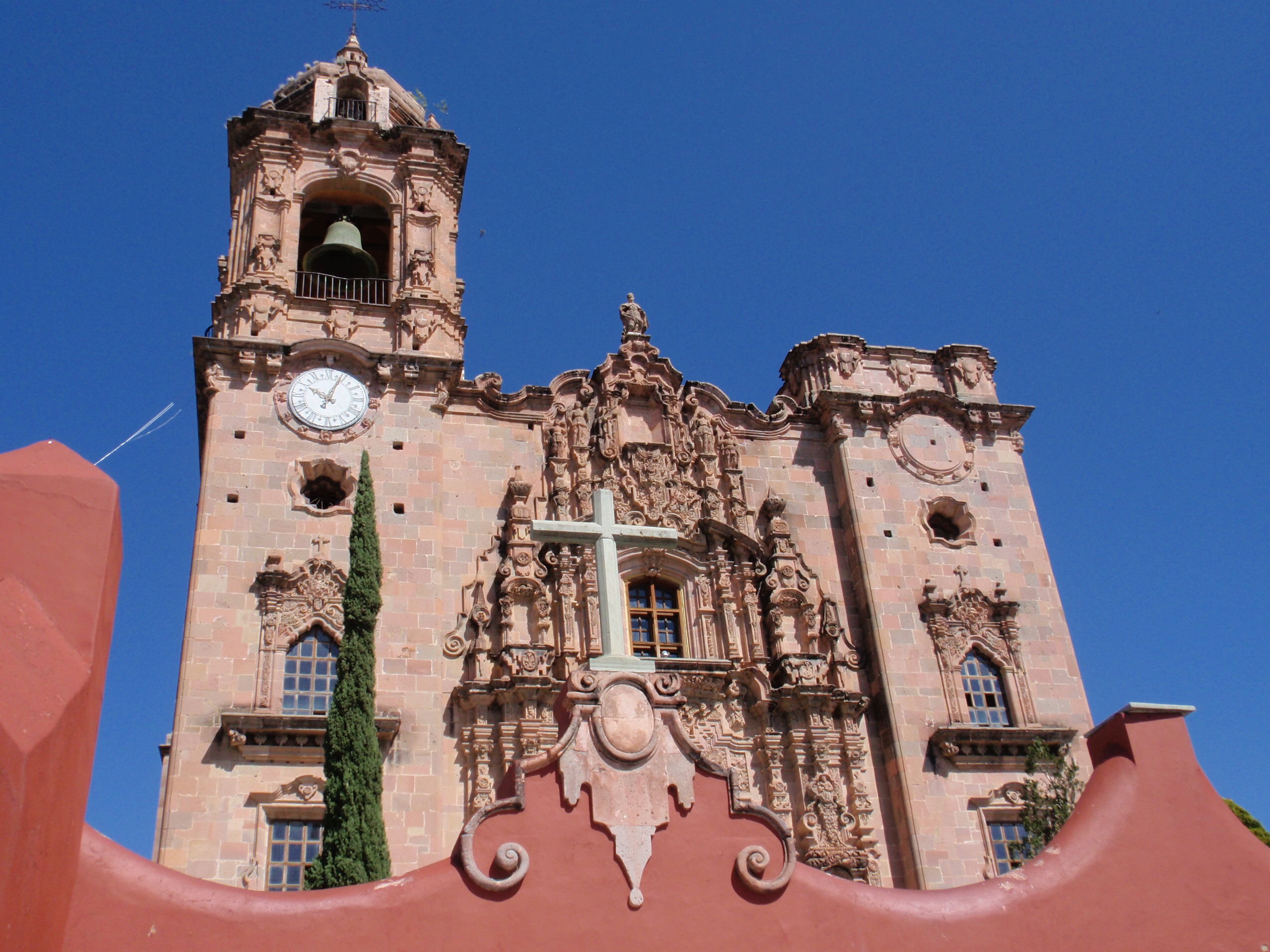
The city of San Miguel de Allende was founded by a Franciscan monk in 1542 and was an important stop-over point on the silver route to Zacatecas. As most other cities in Mexico, San Miguel has a central plaza and a church that anchors this community. But this is not just any church; this is the La Parroquia, the parish church that may be the nation’s most beloved. It was rumored that in 1880 an unschooled local Indian by the name of Seferino Gutierrez added the faux-Gothic spires to the church. The stone was locally quarried pink stone and the design was borrowed from postcards of European Gothic cathedrals. These spires supposedly were constructed by a workforce guided only by the use of sketches drawn in the dirt.
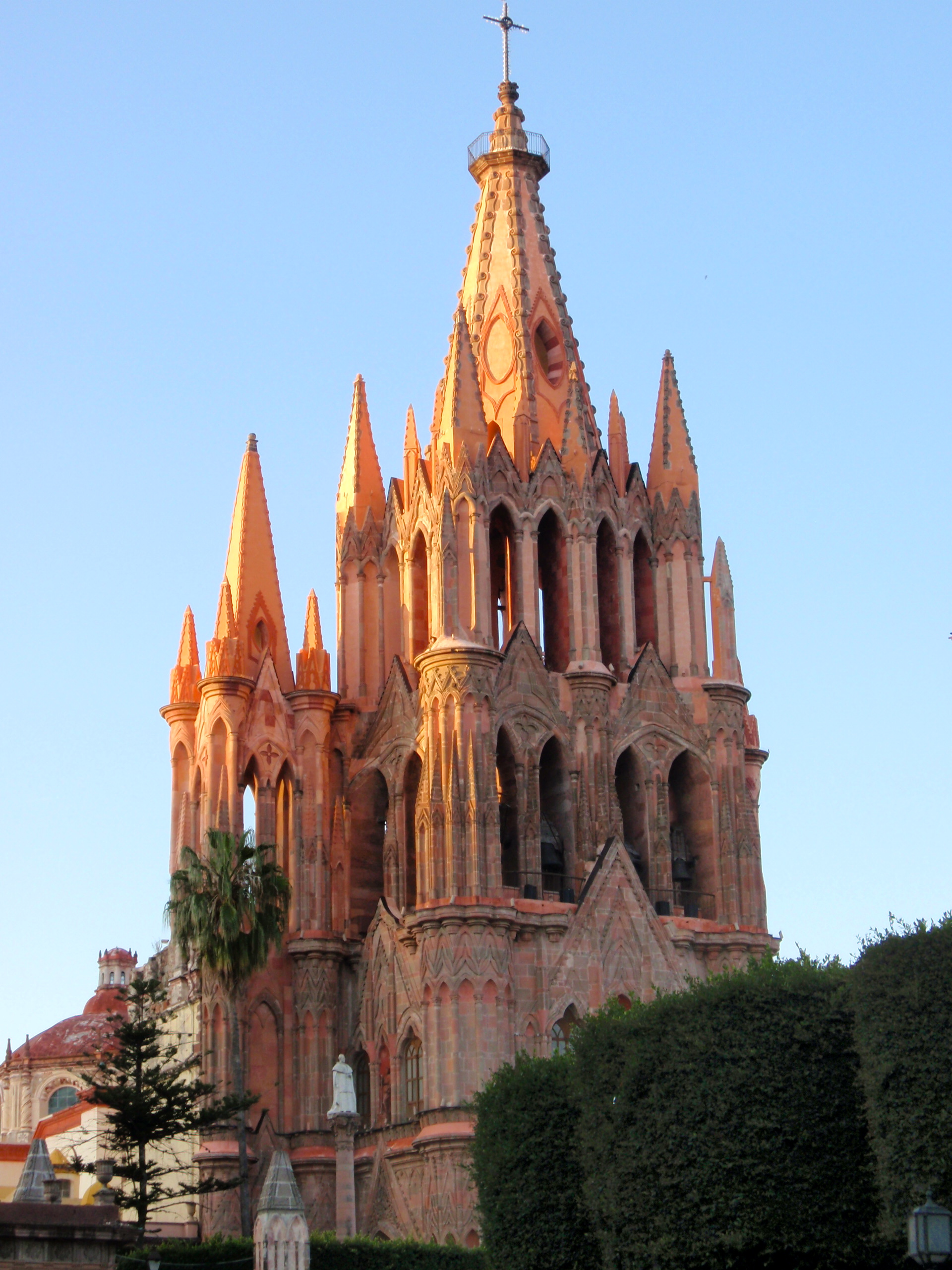


 La Parroquia is considered among the great architectural wonders of the world and we were fortunate enough to experience a music and light show at this very location the first night we arrived.
 The colored lights, when projected onto La Parroquia, changed the look dramatically, almost giving the appearance of a haunted house.
Cohetes (extremely loud fireworks) are synonymous throughout Mexico with fiestas and fortunately, these were not part of the show. What we experienced instead were fireworks that brought us back to our childhood, as we stood in awe looking up at the brightly lit sky.
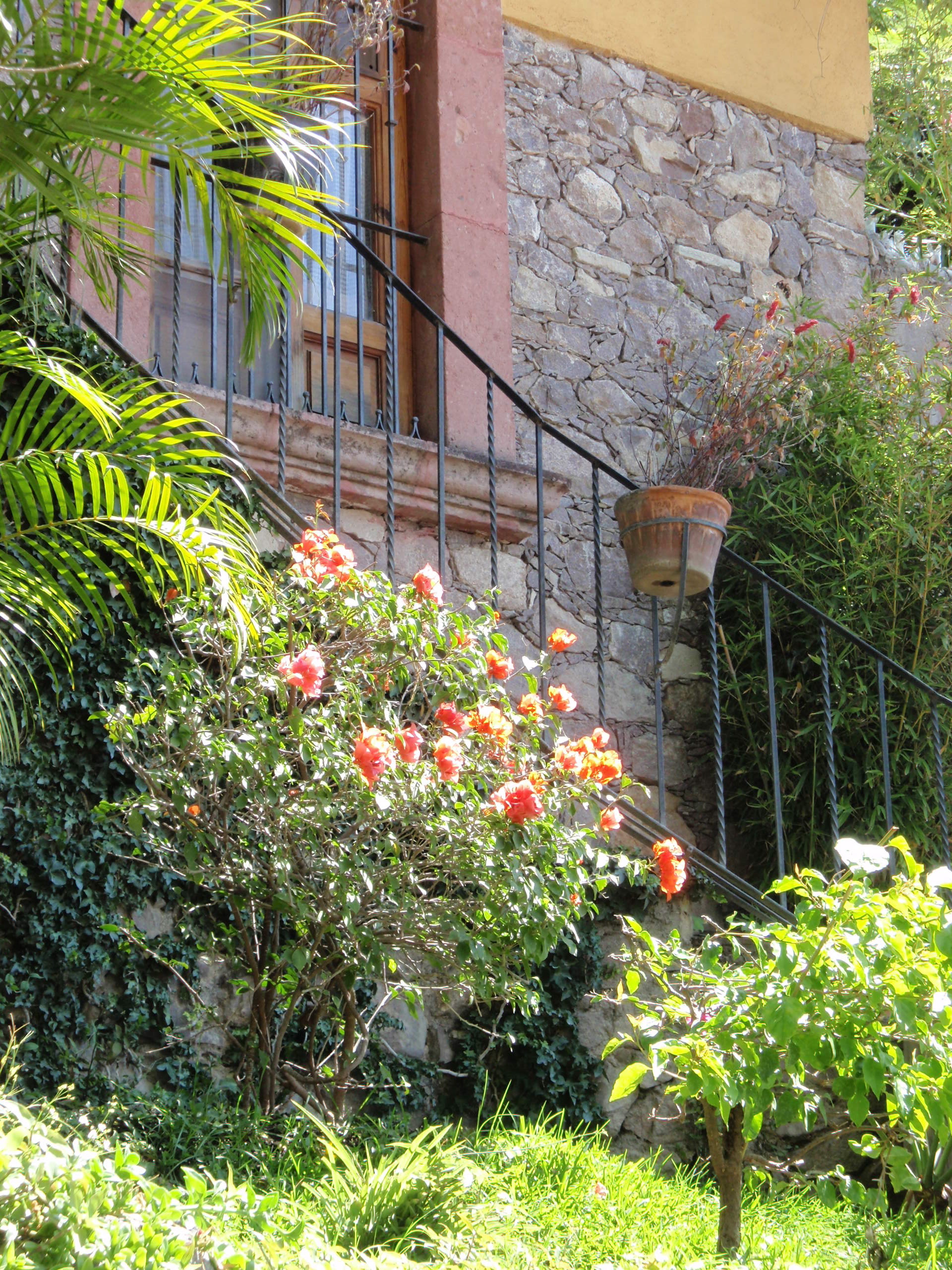
We stayed at a delightful former hacienda, Posada de las Monjas. There were flowerpots covering every stairway railing and more miradors (rooftop terraces) than we have seen in any one building in Mexico.


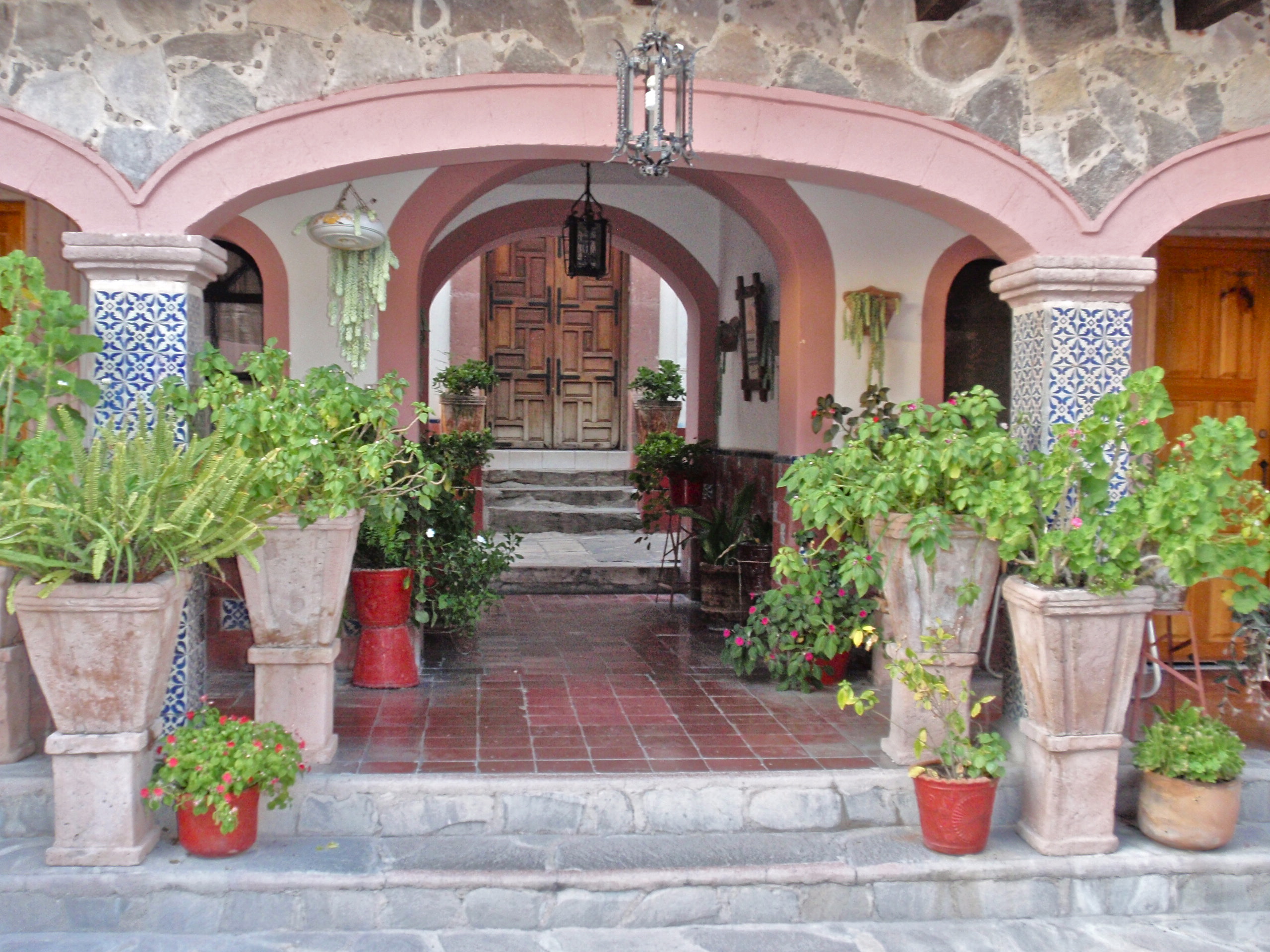
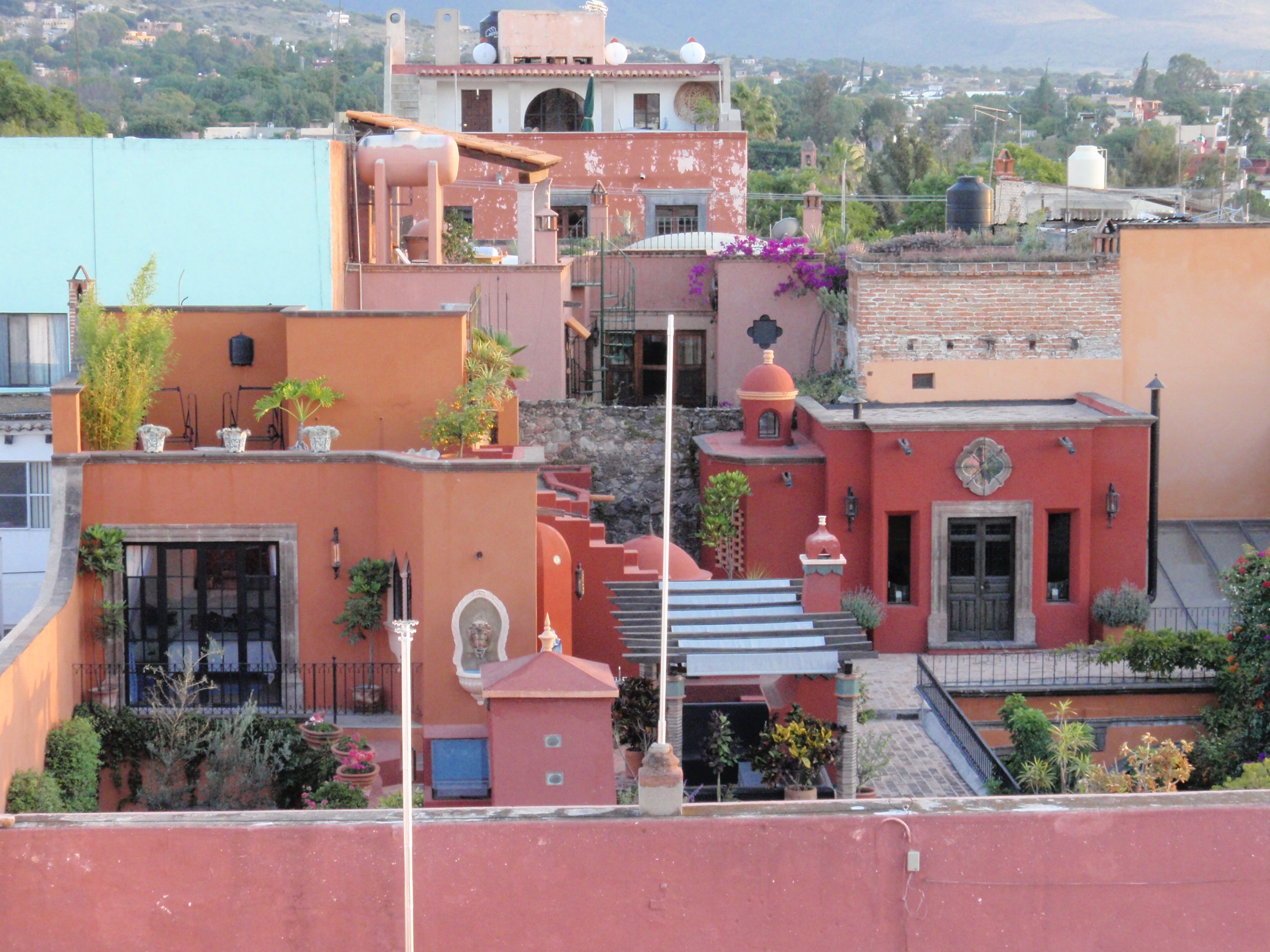
La Biblioteca, a non-profit organization in San Miguel, is the epicenter for the 10,000+ ex-patriate community, with available classes, theater presentations, an English/Spanish library, gift shop, and eateries. This is a great reference point for those visiting the area.
Not unlike Guanajuato, San Miguel is a city of winding streets that will give you a great exercise workout at every turn, thankfully, as we taste tested several flavors of hand-turned ice cream at the many sidewalk carts calling out to us.
We ventured over to Parque Benito Juarez, a large, relatively unused peaceful park, with wandering paths through trees, ancient fountains, and stone bridges. Just outside of this park, there is a long winding road and staircase leading to Paseo Del Chorro, a smaller park with lovely gardens.
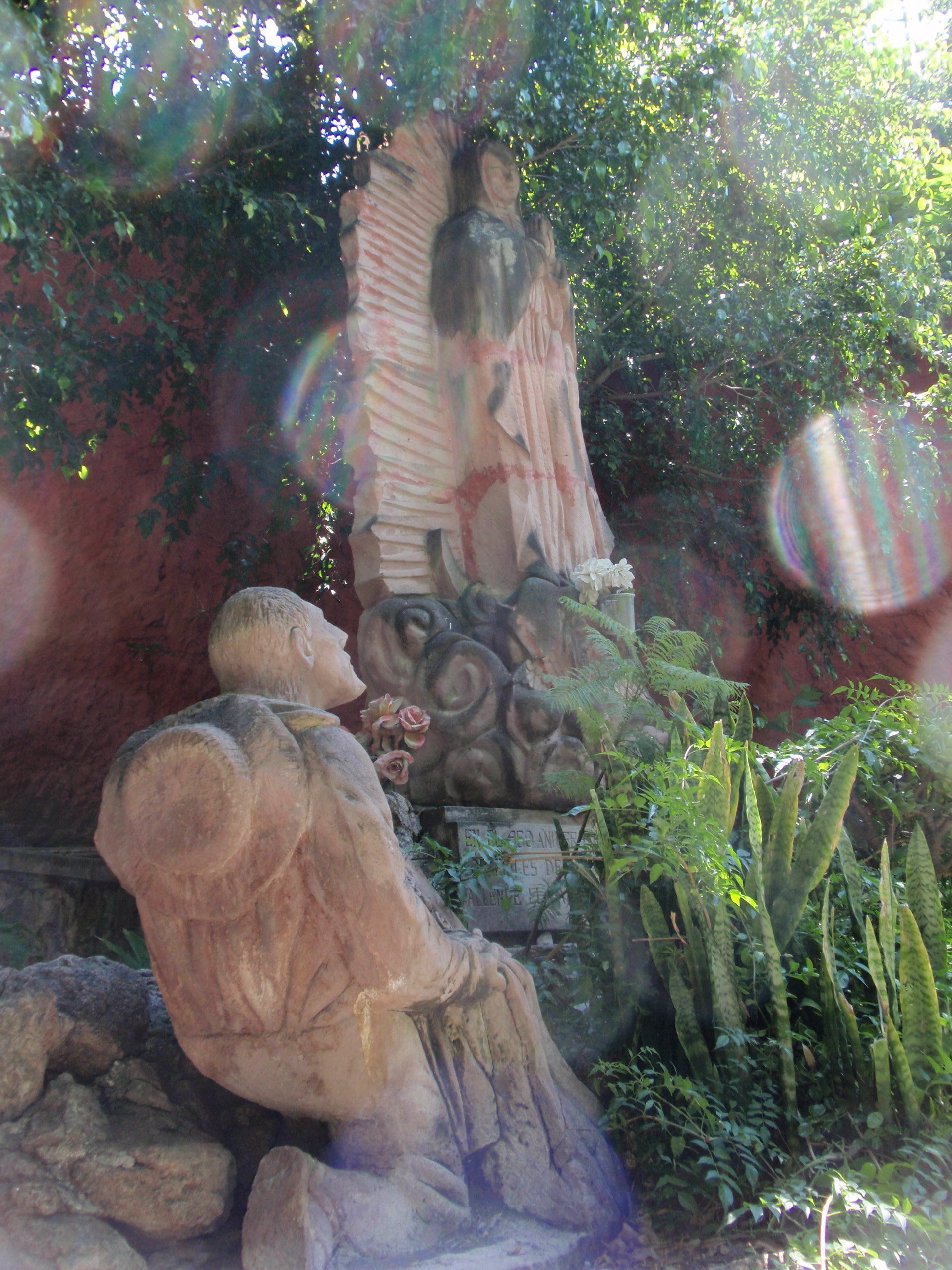
 We were told by some friends that we were not to miss the hot chocolate and churros at San Agustin. Thank goodness for exercise opportunities as I don’t even want to know how many calories we consumed during this little escapade, but, oh were they heavenly!
We inquired about the very attractive lady whose picture was pasted over many of the walls of the restaurant and learned that she is the owner, Margarita Gralia, a renowned television and stage performer, as well as a Playboy playmate approximately 3 years ago.
 The plaza is a great place to people watch and, one morning, while wandering through the gardens, we happened upon three little girls and a nun on their way to school. As we passed them, in unison all three sang “good morning senorita” to me, which was a wonderful way to start my day but was one of the great photo opportunities we missed.
On our last full day in San Miguel, we grabbed a taxi and headed out to El Charco del Ingenio, the botanical gardens, 167 acres of nature reserve that was declared a World Heritage Site in 2008. In the middle of these gardens, literally translated as “the pool of talent”, runs a spring-fed pool in an impressive canyon. Efforts are focused on environmental education and the development of traditional cultures. In 2004, El Charco del Ingenio was sanctified as a Peace Zone by the Dalai Lama during his visit to Mexico.


When we had finished our tour of the gardens, we enjoyed a cold glass of maguey juice, made from the agave plant.
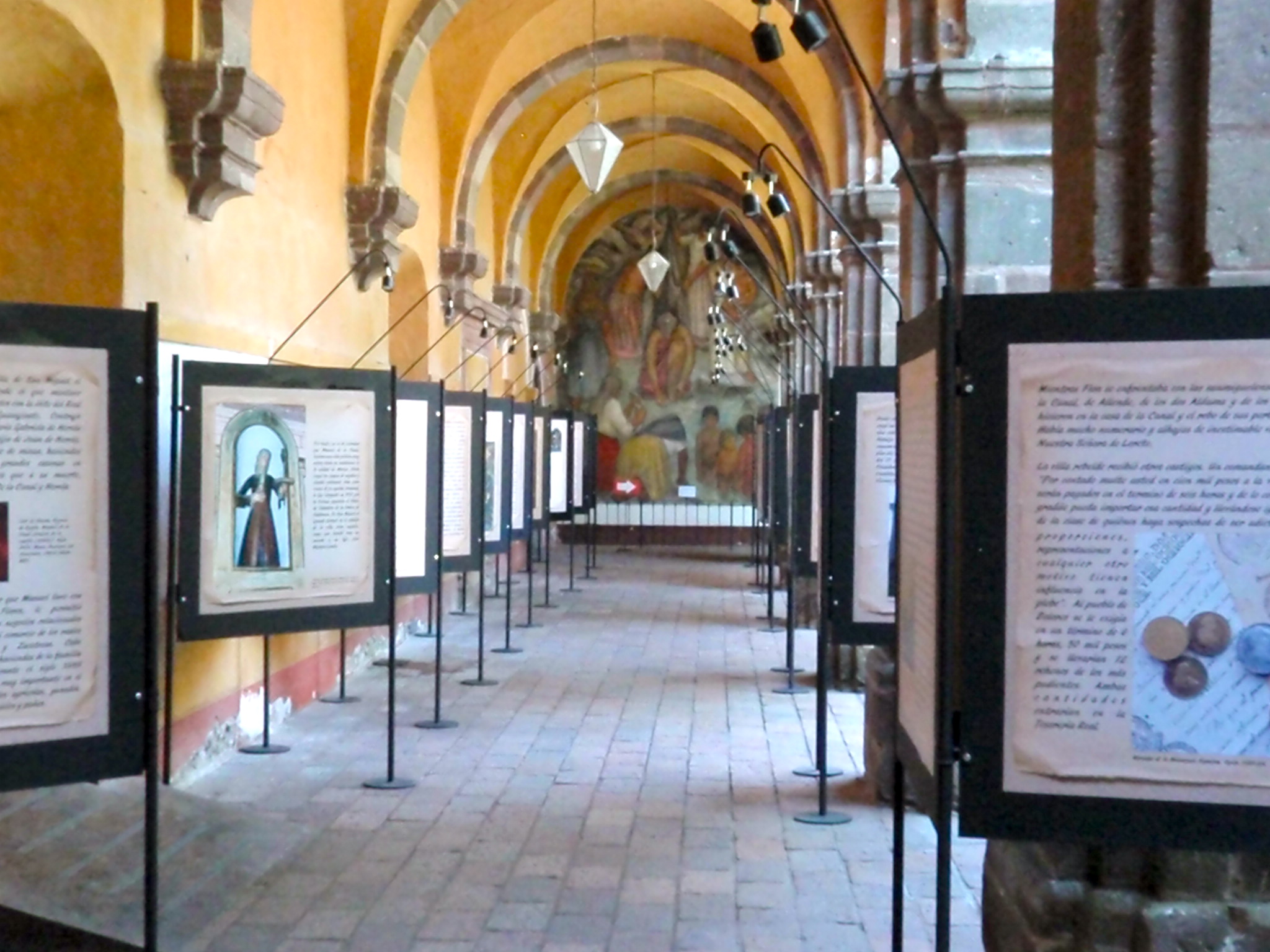
Back to the city, with plenty of time remaining for window shopping and a few more sights. Our next stop was Centro Cultural Ignacio Ramizez “El Nigromante”, the cultural center, once part of a Catholic church, that honors San Miguel writer Ignacio Ramirez, referred to as the “Voltaire of Mexico”, due to his satirical wit. He nicknamed himself El Nigromante, the Sorcerer, as nearly everything he wrote could have caused him punishment during the 1800’s.
Several placards in the cultural center tell the story of the religious and political turmoil when Mexico struggled to find the right balance between church and state. This has been left behind in favor of the arts.
Four very prominent figures in Mexico’s war for independence, depicted as larger than life paper mache figures, are the greeters as you enter the cultural center.
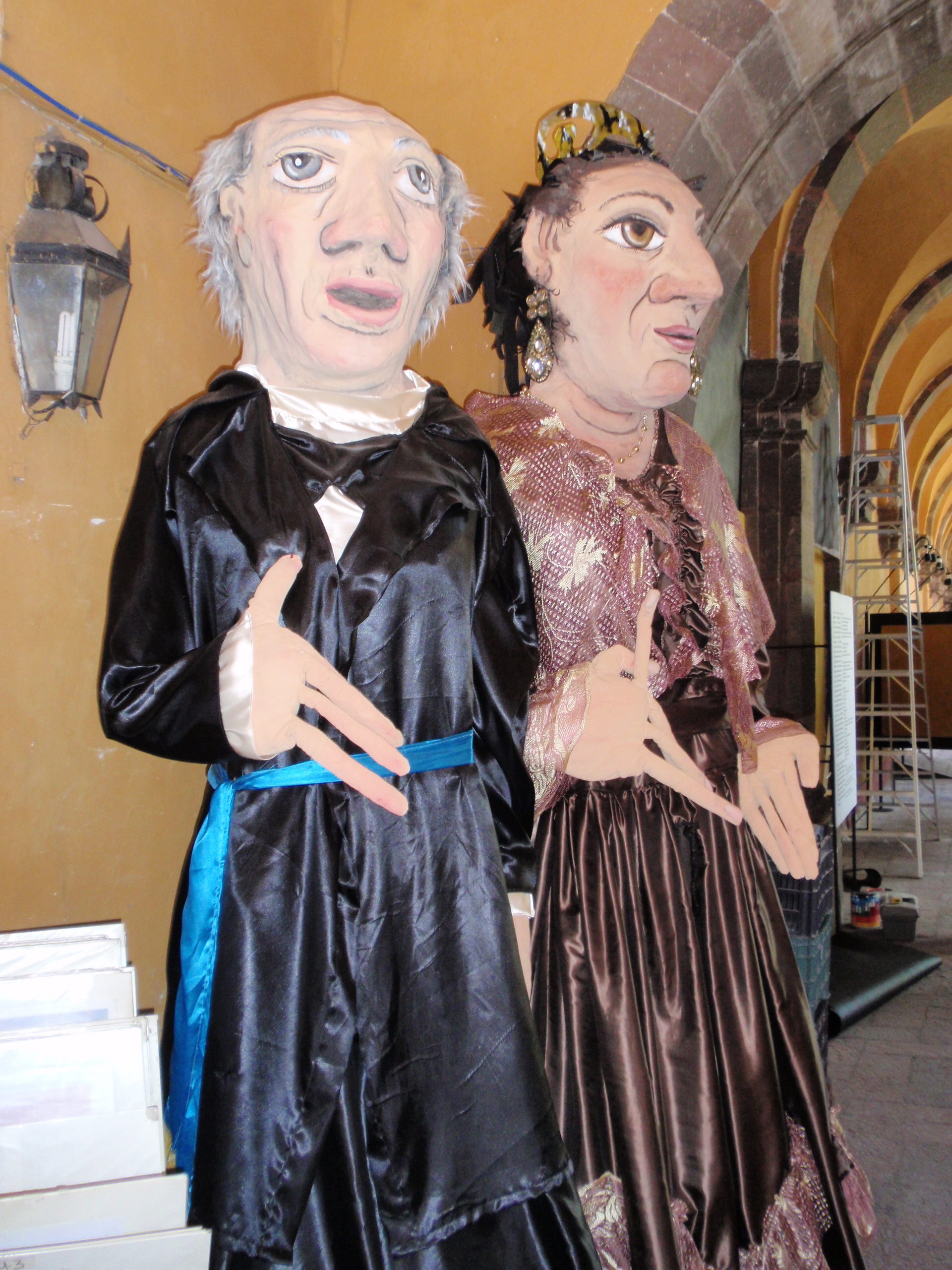
Miguel Hidalgo, father of Mexico and the leader of the Mexican War of Independence, has standing next to him the figure of Josefa Ortiz de Dominguez, a conspirator and supporter of the Mexicans’ fight for their independence. Josefa was the key to Hidalgo escaping capture as the Spanish colonial authorities had learned of the rebel’s activities. She was able to get a message to him, which allowed him to escape the small town he was in and he and his followers proceeded to declare war against the Spanish authorities.
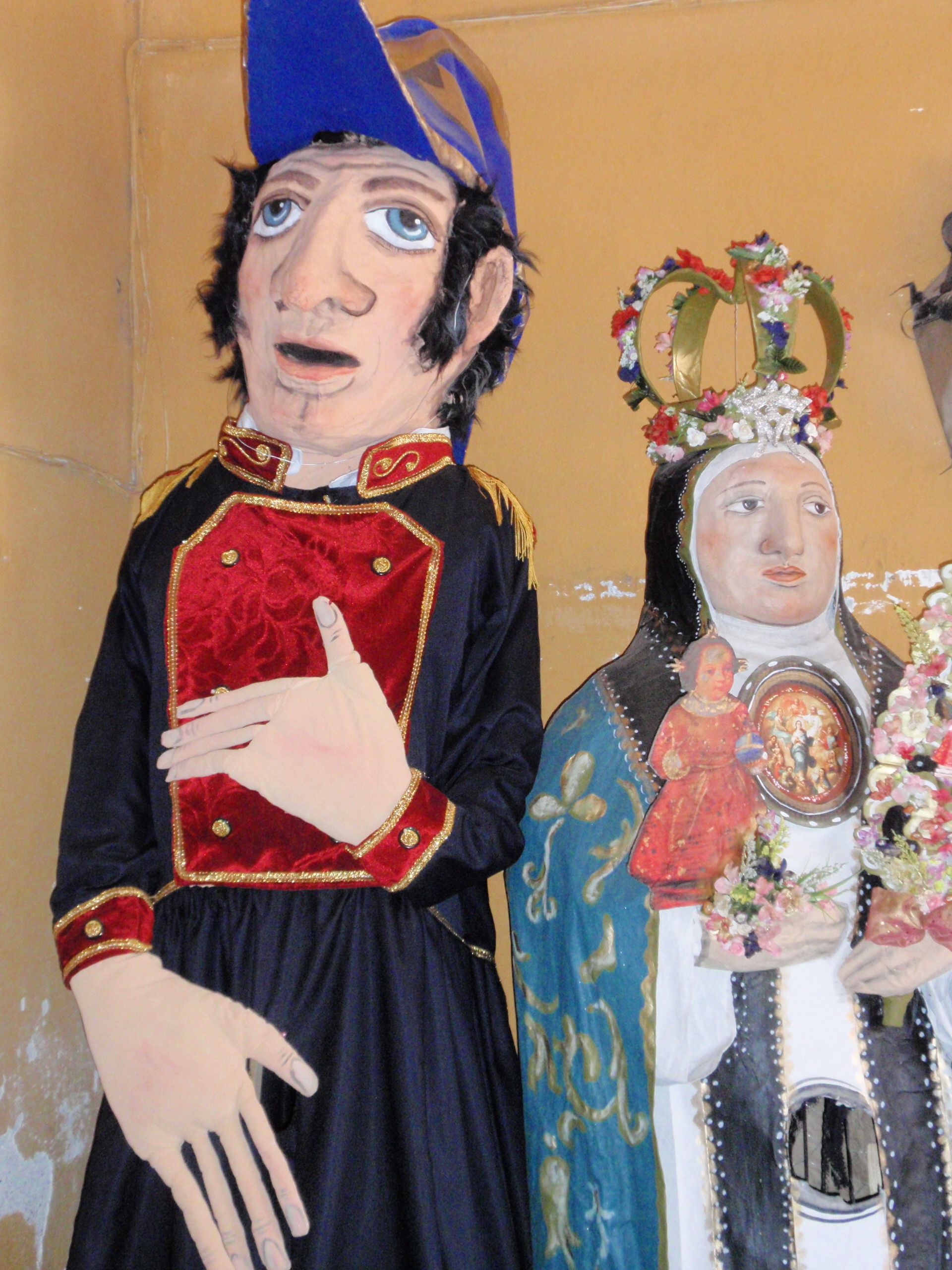
General Ignacio Allende, Hidalgo’s chief lieutenant in Mexico’s fight for her independence, stands alongside Sor Josefina de la Canal, who, after much searching, remains a mystery to me. I would be most interested in learning more about this Christian woman, if anyone knows her background.
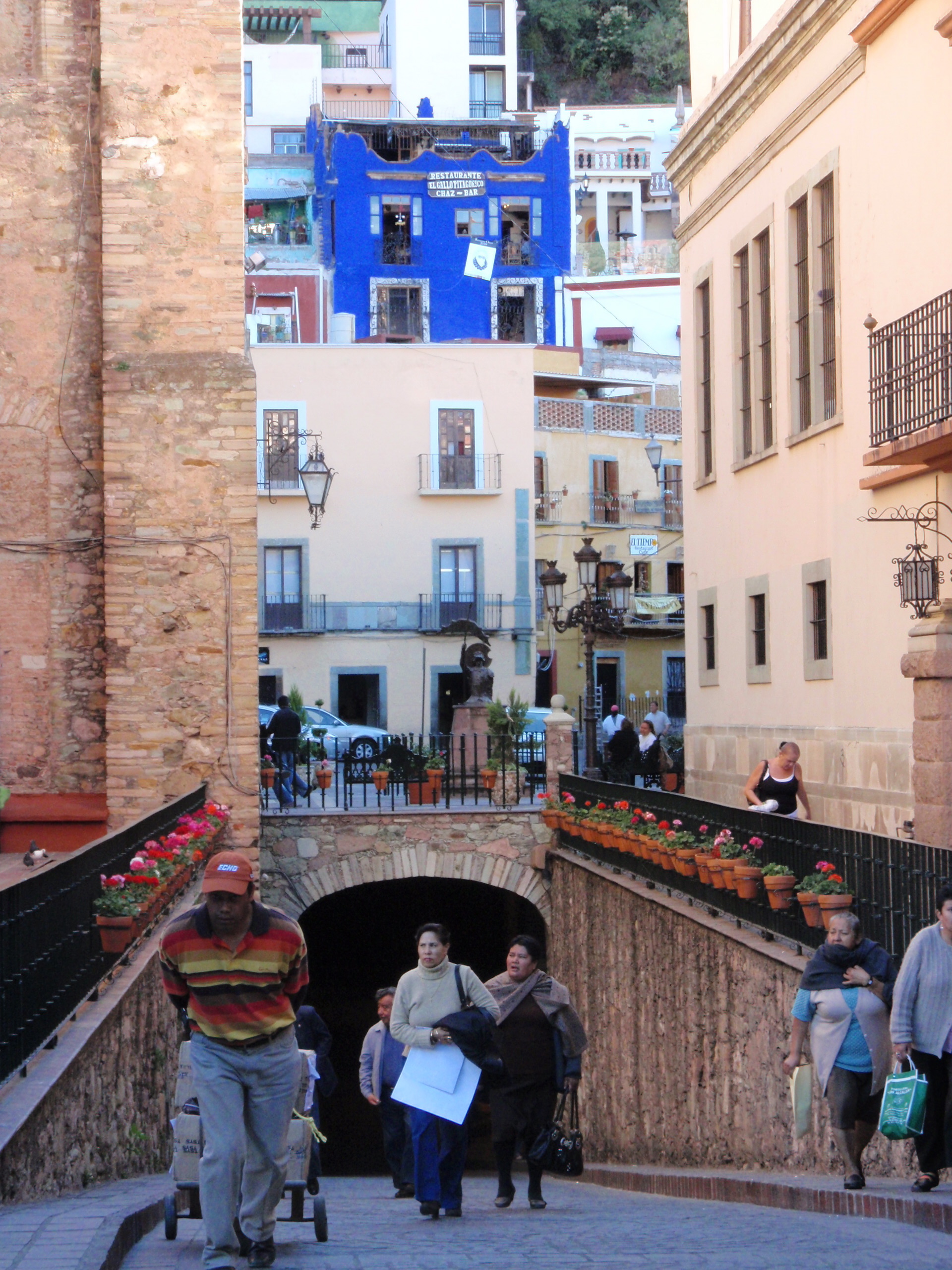
The remaining photos of San Miguel are those of street scenes and distinctive doorways, which have become something of a fascination for me.
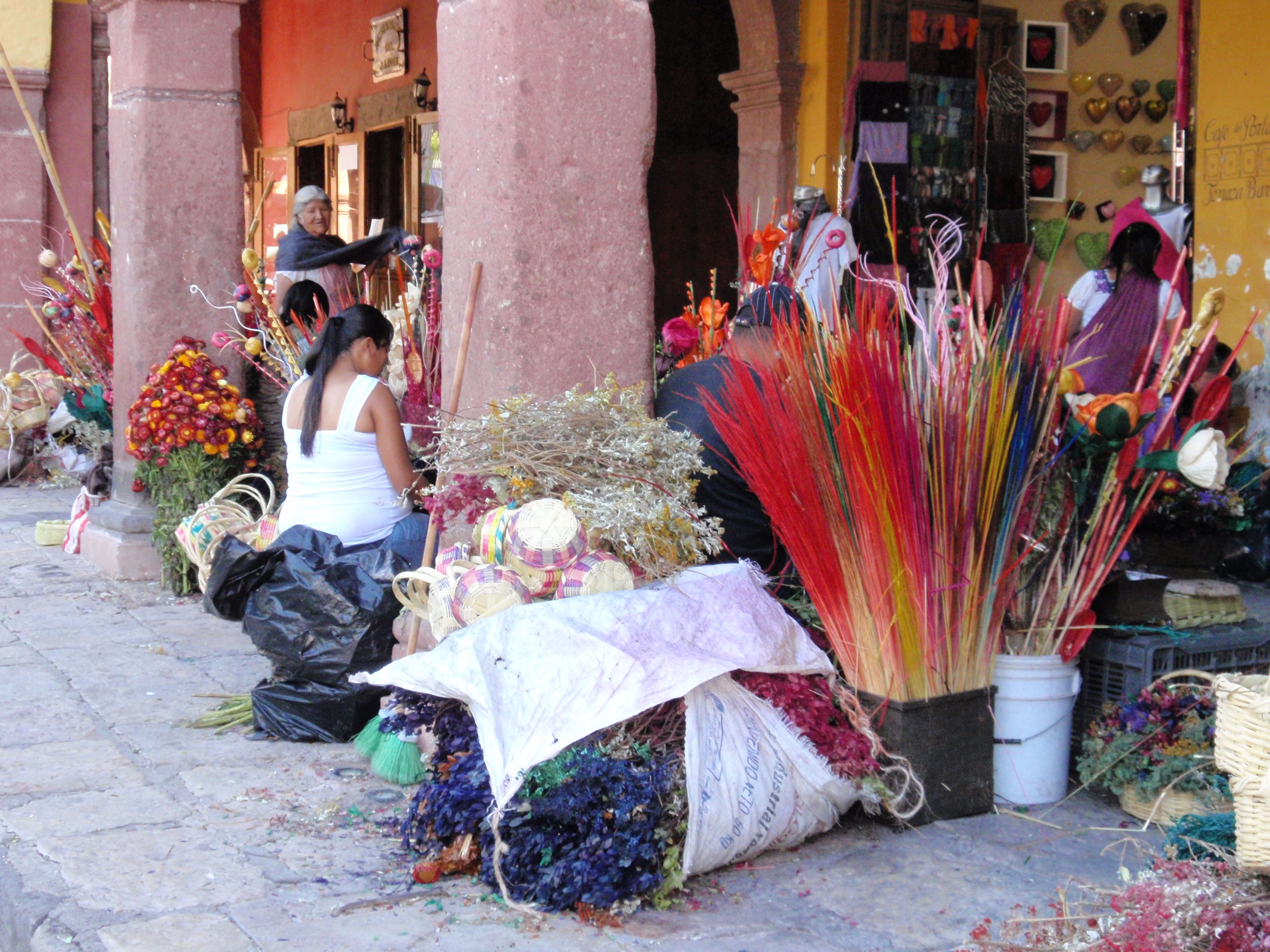

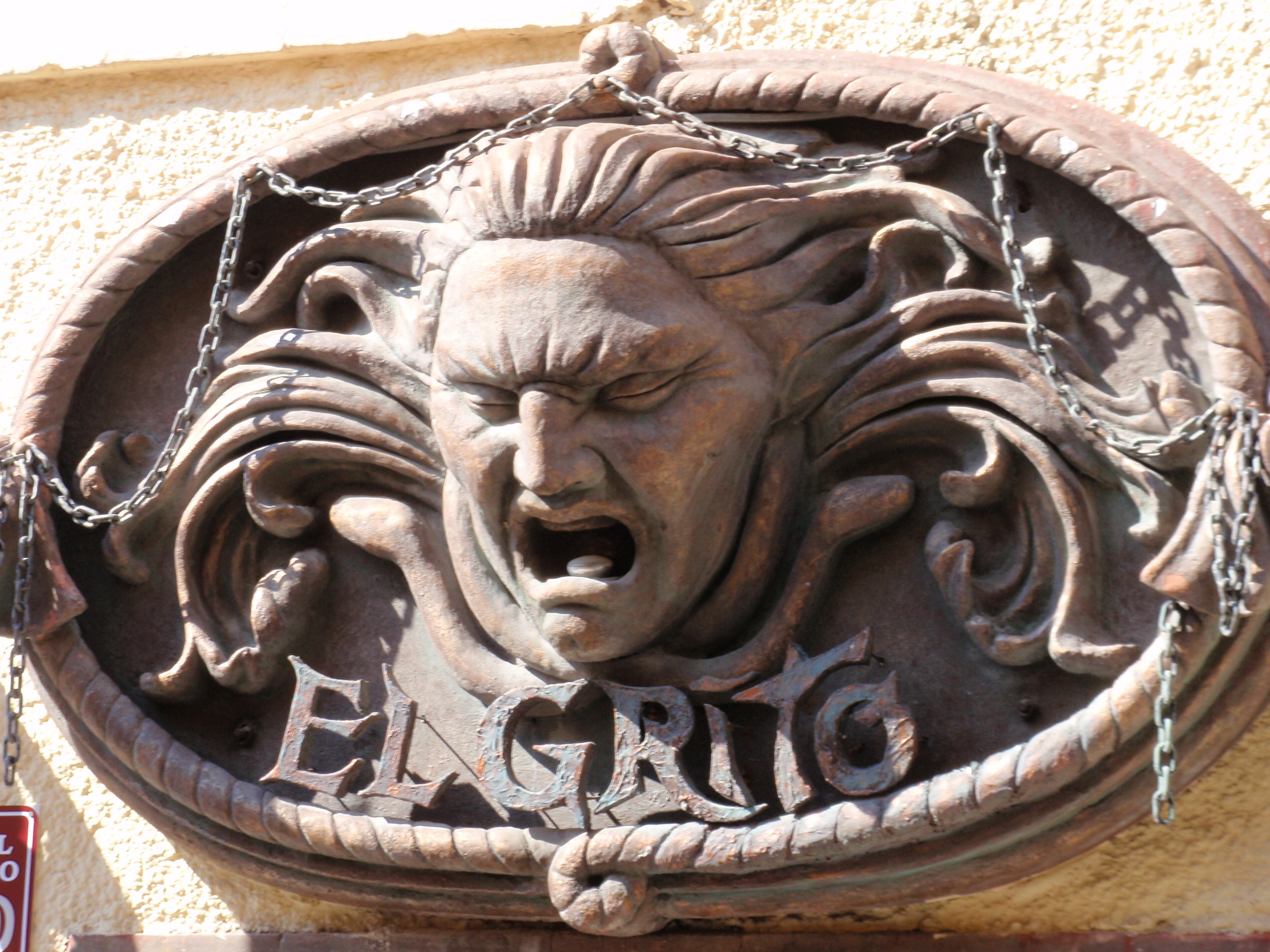
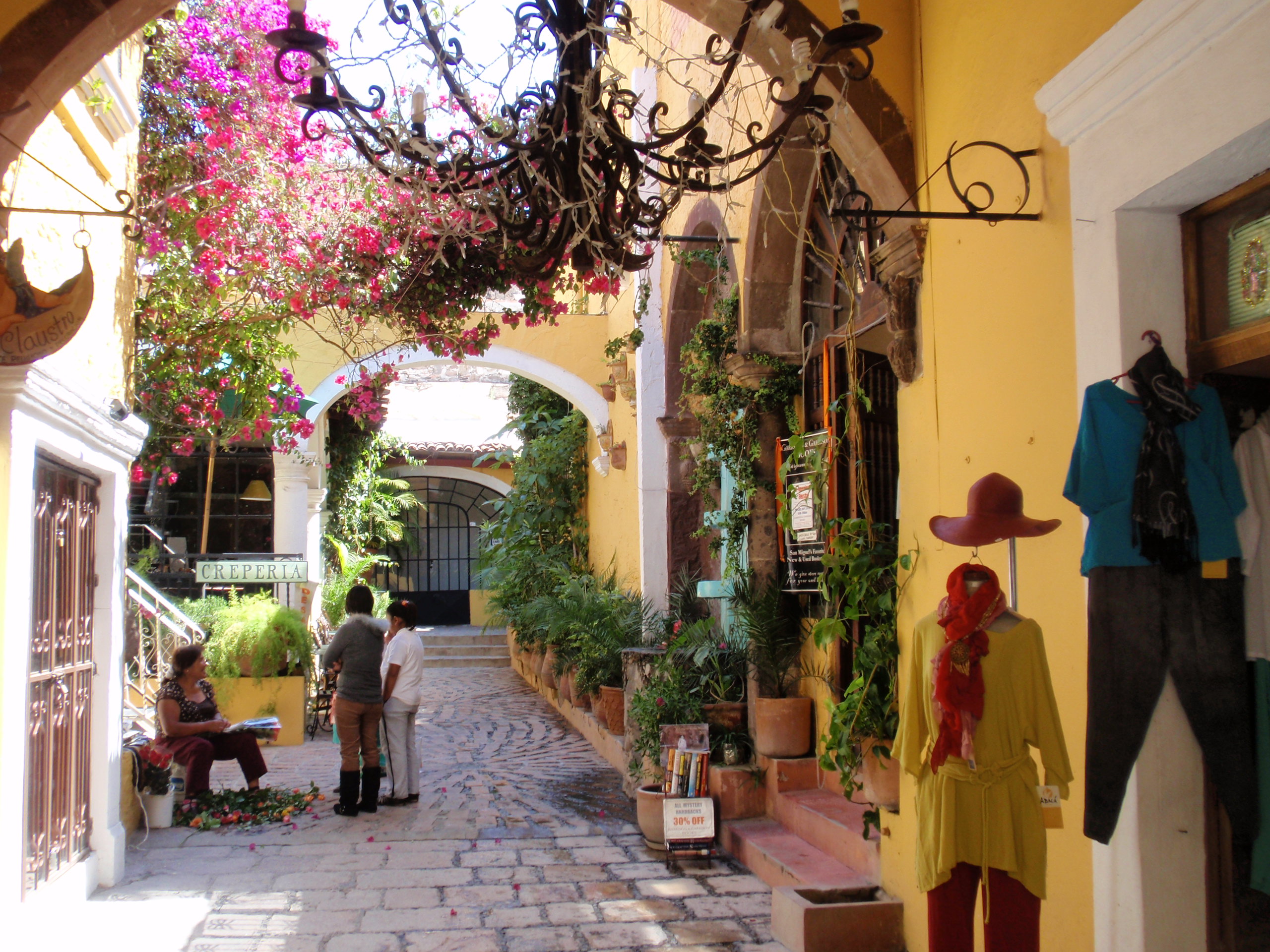
One final note, a visit to San Miguel de Allende would not be complete without a sojourn to Johfrej, a third-generation family of chocolatiers ~ too decadent for words!








 Paint Your Landscape