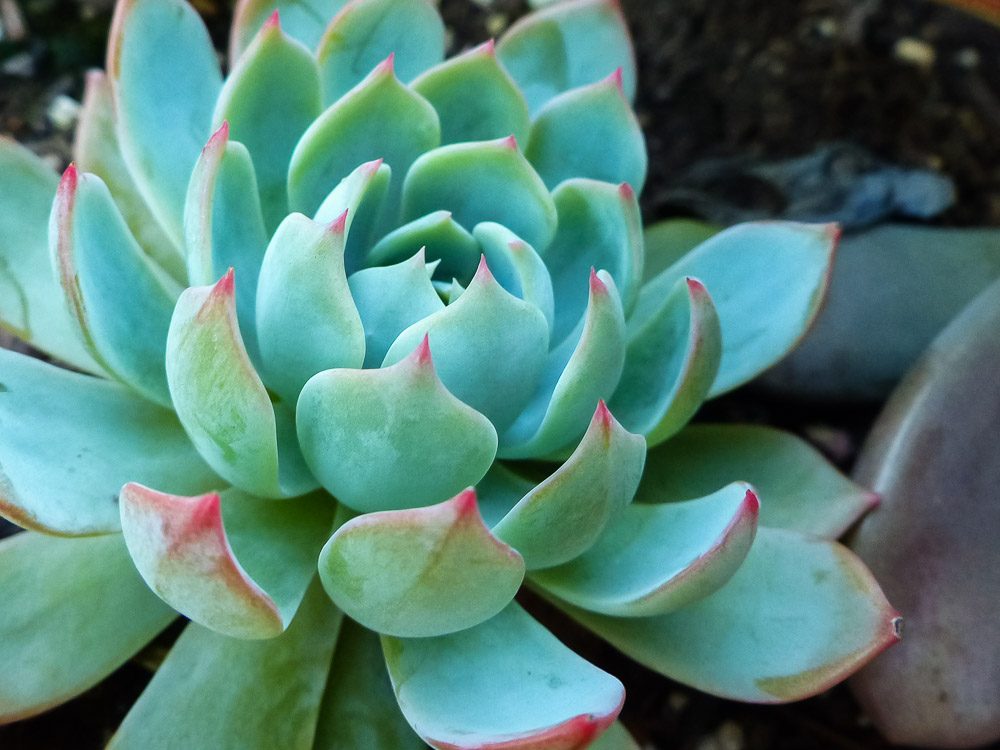
Snow-capped mountains, temperate rain forests, fog-shrouded beaches, and wild coastline – this is the Olympic Peninsula.
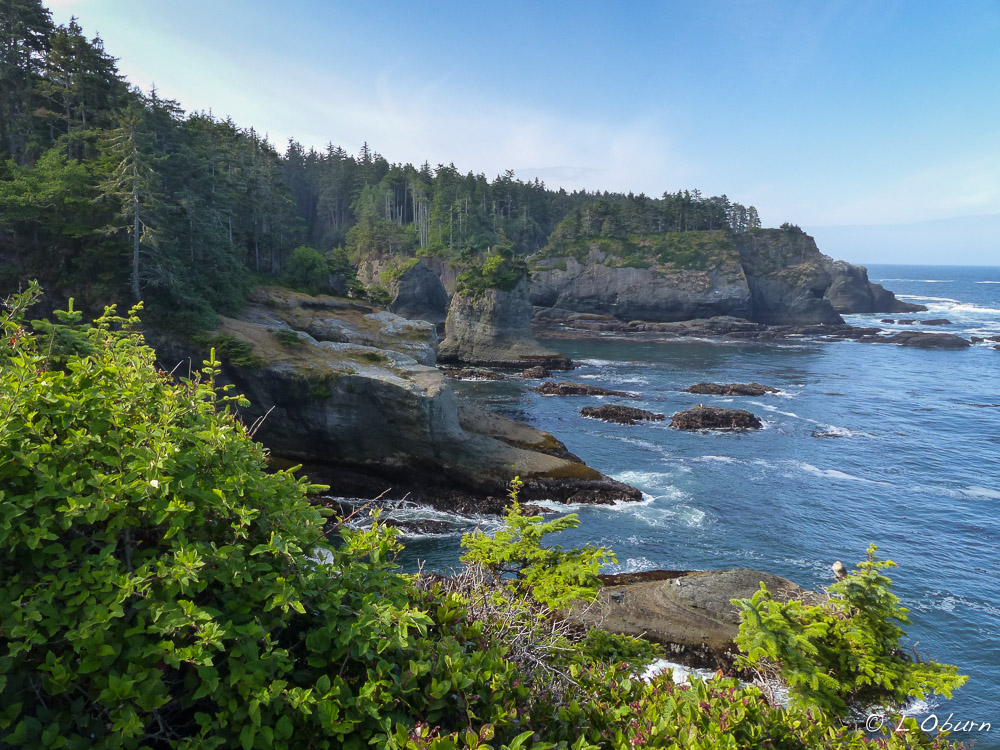
Over 3600 square miles of land in western Washington, largely unmapped until 1898, encompass the Olympic Peninsula. Although not an island, it is technically bordered by water on all sides: to the north, the Strait of Juan de Fuca, or the Salish Sea as it is known by the locals, separates the US from Canada; on the east the Puget Sound extends nearly 100 miles; the vast Pacific Ocean crashes into the rugged west coastline, creating dramatic tree-topped sea stacks; and the only fresh water barrier is the Chehalis River on the south.
The Olympic mountain range dominates the center of the peninsula, the second largest range in Washington behind the Cascades. This is not a tall mountain range, Mt. Olympus being the tallest at just under 8,000’, but can still boast about 266 glaciers crowning their peaks. The most prominent of these glaciers, eight of them, cover 10 square miles of slopes on Mt. Olympus.
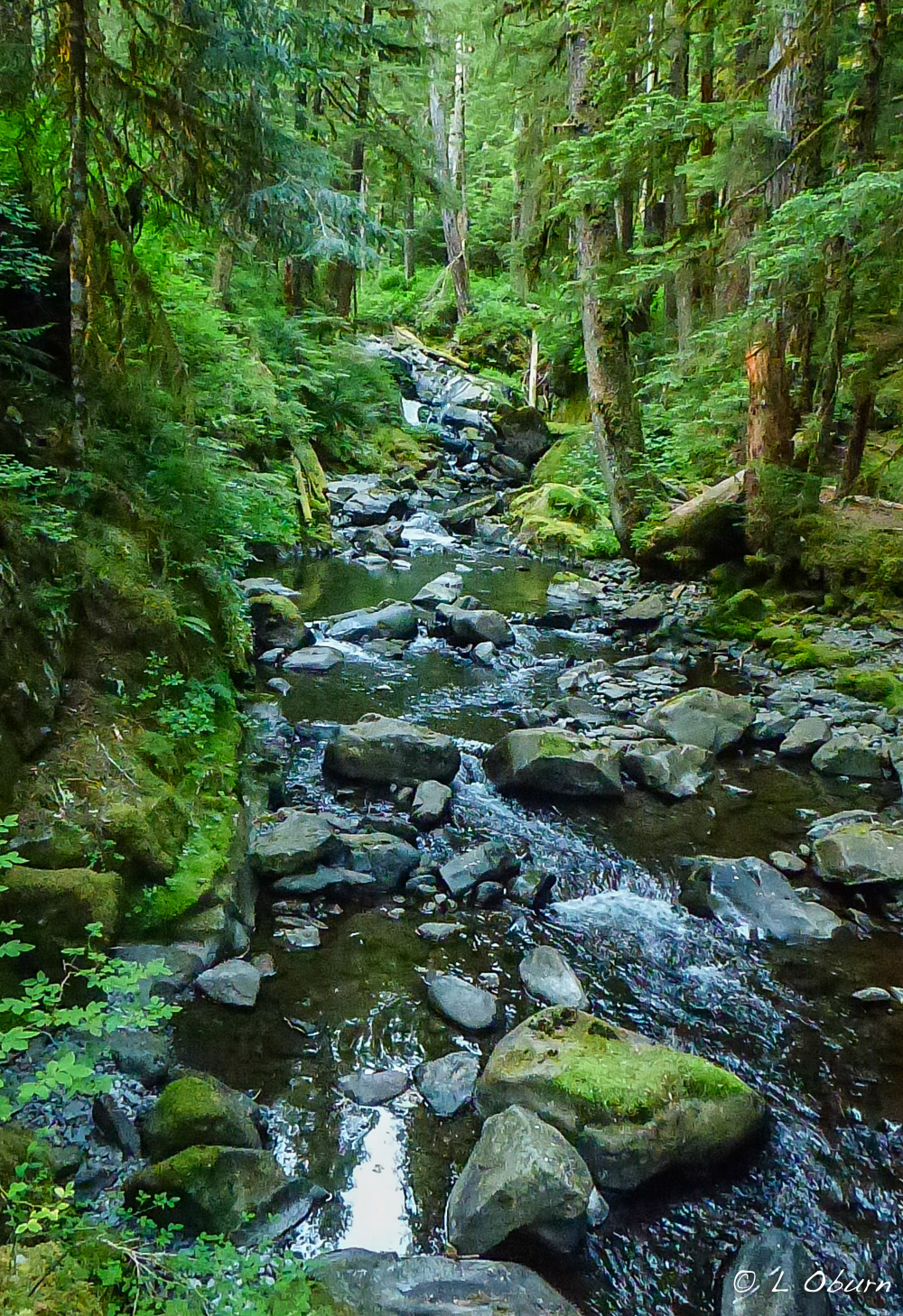
The Olympic peninsula contains many salmon-bearing rivers, several natural lakes, many state parks, and one national park, Olympic, where we focused our explorations.
The Wild Olympics Campaign is underway to protect additional wilderness areas within the peninsula, protect salmon under the Wild and Scenic River Act, and provide Olympic National Park a way to acquire additional land near the park from willing sellers.

Olympic National Park protects one of the largest stretches of wilderness coastline in the lower 48 states, over 70 miles. Rough seas have resulted in treacherous shoreline, no doubt helping to preserve this remote and pristine coast. Eight American Indian tribes continue to call small fishing villages along this coastline home, working to keep their ancestral traditions alive. Today the coast appears much as it did when their ancestors paddled cedar canoes past rocky coves and beaches.
Even today severe weather and currents have doomed many a ship that has challenged this remorseless shoreline. Lives have been lost and thousands of gallons of spilled oil have devastated immaculate beaches, killing sea birds and disrupting delicate ecosystems.

We planned a month here to soak in the beauty of the national park and surrounded headland, absorbing as much history of the area as possible, with the added bonus of meeting several sets of friends along the way.
Our first week on the coast proved to be a laid back time. With a holiday and the potential for crazy busy campgrounds, we booked a reservation at Kalaloch Campground in Olympic National Park, ensuring we had a place to call home for the 4th holiday. Although our Arctic Fox is small in stature, our campsite was an unlevel tight fit. Adjacent sites were close together as well, but we were happy to be here so quickly set up and headed to the beach to walk in the fog and shake off some road dust.

When we returned to camp our neighbor had his rap music cranked up and felt the need to berate his wife and children in front of the rest of the campground. Surprisingly the kids were much better behaved. As this continued throughout the day we made it our mission the next morning to find a suitable campground for the holiday weekend. South Beach was our answer. Though nothing more than a gravel parking lot, we had a beachfront site where we enjoyed brisk ocean breezes, long walks on fog-shrouded beaches, lovely sunsets, and easy access to day trips.


We explored the Lake Quinault area, where the 1926 historic Lake Quinault Lodge stands. This area is often called the Valley of the Rain Forest Giants, being home to some of the largest and most impressive trees, such as the largest Sitka spruce tree in the world (how do they know this?).


We had read much about the Hoh River Rain Forest, which is purported to be one of the best examples of a temperate rain forest in the world, so this became another of our scheduled day treks. We hiked the Hoh River Trail, winding through a forest of spike moss-laden trees. It doesn’t harm the trees but can weigh as much as four times that of the trees own foliage. We both agreed that this rain forest looked very dry, likely the result of this year’s drought.


Beyond this we were content to walk miles of driftwood-strewn beaches for the week and our fireworks were compliments of Mother Nature. 🙂
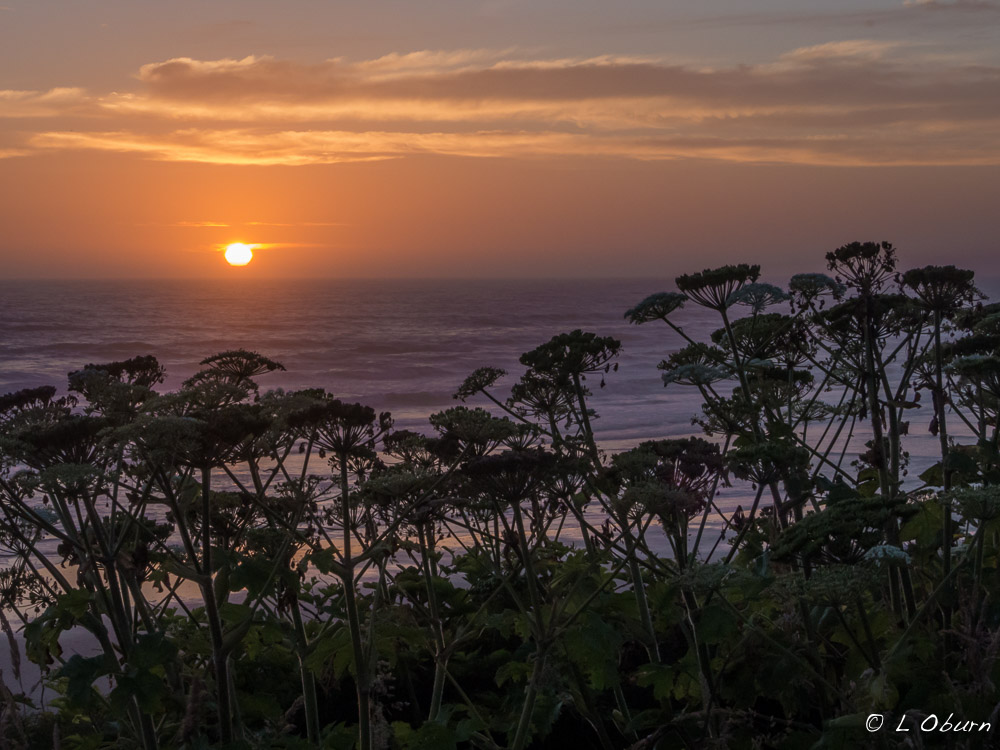
Next Up: Moody beaches and tide pools
 Paint Your Landscape